
• Practicle Sleep Guidence

Sleep Better. Live Better

Practical guides for restful nights

Honest sleep tips, wellness routines, and product reviews -written to help you build healthier habits and a calmer bedroom.

Written by real writers – hands on product reviews – Updated regulary

Explore by topic

Dig into routines, bedroom setup, everyday wellness habits, and reviews you can trust.

Sleep Routines & Habits

Practical nighttime routines, relaxation methods, and habits that help you fall asleep faster and stay asleep longer.

Bedroom Comfort & Setup

Mattress guides, pillow comparisons, bedroom temperature, lighting, and the small upgrades that make a big difference.

Wellness & Lifestyle

How stress, screen time, exercise, and daily habits shape your sleep-plus what you can actually do about it.

Product Reviews

Hands-on reviews of mattresses, pillows, sheets, sleep accessories, and bedroom gear-honest takes on what’s worth your money.

Featured this week

Practical guides on sleep routines, bedroom comfort, wellness habits, and
honest reviews written by humans, not algorithms.

The Perfect Cozy Night Routine for Better Sleep

The Perfect Cozy Night Routine for Better Sleep

There’s a particular kind of magic in the last hour before bed the lamps glowing low, a warm drink in your hands, the day finally loosening its grip. We tend to think of that softness as a treat, something for slow Sundays. But it might be the most underrated sleep tool you have.

A cozy night routine isn’t just aesthetic (though it absolutely can be). It’s a string of small, repeatable cues that quietly tell your brain the same thing every night: the day is over, you’re safe, sleep is next. Do it consistently and falling asleep stops feeling like a battle and starts feeling like the natural end of your evening.

Here’s how to build a night routine that’s genuinely cozy, genuinely restful, and importantly realistic enough to actually keep.

Why a Cozy Night Routine Actually Works

Sleep isn’t a switch you flip. It’s a slow dimming, and your body needs a little runway to get there. When you repeat the same gentle signals each night — softer light, a warm drink, a slower pace your nervous system learns the pattern and begins to shift out of “go mode” on its own.

The science behind this is lovely in its simplicity. Calming sensory cues like warm lighting, soft textures, and quiet sound nudge your body from its alert “fight or flight” state into the parasympathetic “rest and digest” state. At the same time, dimming the lights lets melatonin your natural sleep hormone rise the way it’s supposed to. None of this requires willpower or gadgets. It just requires repetition.

That’s the real secret: the cozy part isn’t decoration. Warmth, softness, and ritual are exactly what make the cues stick.

How Long Should a Night Routine Be?

Ideally, give yourself the last 60 to 90 minutes before bed to wind down. That sounds like a lot, but most of it is time you’re already spending you’re just spending it more intentionally.

That said, life is messy. Some nights you’ll have a full, leisurely routine; other nights you’ll be lucky to get fifteen minutes. Both are fine. A short, consistent routine beats a long one you only manage twice a week. We’ll cover a quick version near the end for exactly those nights.

The Perfect Cozy Night Routine for Better Sleep

Your Perfect Cozy Night Routine, Step by Step

Think of these as building blocks, not a rigid checklist. Keep the ones that feel good, drop the ones that don’t, and do them in roughly the same order each night so your brain learns the sequence.

1. Set a “soft landing” time

Pick a rough moment an hour or so before bed that marks the start of winding down. It doesn’t need to be exact. Closing your laptop, turning off the overhead lights, or changing into something soft can all be the signal. This single boundary is what separates “still in the day” from “heading toward sleep.”

2. Dim the lights and warm the room

Bright overhead light tells your brain it’s still daytime. Switch to warm lamps, fairy lights, or a single soft bulb, and lower the brightness everywhere you can. If your room runs warm, nudge the temperature down a cool, cozy cave (around 65°F / 18°C) is the sweet spot for sleep. This one change does more than almost anything else on this list.

3. Power down the screens gently

You’ve heard “no screens before bed” a hundred times, and yes, the blue light and the endless scroll both keep you wired. But going cold turkey rarely sticks. Instead, set a soft cutoff 30 to 60 minutes before bed, switch your phone to night mode and low brightness, and the part that really helps move the charger out of arm’s reach so bed isn’t where you doomscroll.

4. Make a warm, sleepy drink

A warm drink is the heart of a cozy routine: it slows you down, warms your hands, and becomes a cue all on its own. A caffeine-free herbal tea chamomile, lavender, or valerian — is the classic. If you want something a little more fun, the viral “sleepy girl mocktail” (tart cherry juice, a scoop of magnesium powder, topped with sparkling or prebiotic soda) has become a beloved bedtime ritual. Just steer clear of caffeine and alcohol, which both quietly sabotage your sleep later in the night.

5. Tidy the day away

You don’t need to deep-clean just a five-minute reset. Clear the nightstand, fluff the pillows, dim the room, set out tomorrow’s essentials. Waking up to calm instead of clutter makes the whole routine feel worth it, and the act of “closing” your space signals closure to your mind too.

6. Take a warm shower or bath

A warm shower an hour or two before bed does something clever: as your body cools down afterward, that drop in temperature mimics the natural dip that happens as you fall asleep. Beyond the science, it’s simply soothing warm water, soft towels, a quiet bathroom. Add a few drops of lavender oil if you love scent.

7. Slip into something soft and move gently

Cozy pajamas, clean sheets, a warm blanket soft textures genuinely help your nervous system feel safe. Once you’re comfortable, try a few minutes of gentle movement: slow stretches, a child’s pose, or a reclined butterfly while you breathe deeply. Nothing strenuous just enough to release the tension your body collected during the day.

8. Empty your mind onto paper

For a lot of us, the real thing keeping us awake isn’t the body it’s the mind, replaying the day and rehearsing tomorrow. A two-minute “brain dump” works wonders: jot down lingering thoughts and tomorrow’s to-dos so your brain knows they’re safely parked. If you’d rather end on a softer note, write down three small things you were grateful for. Both create a boundary between problem-solving and rest.

9. Read instead of scroll

A few pages of a physical book is one of the gentlest ways to drift toward sleep it occupies your mind just enough to quiet the worry-loop without lighting up your brain the way a screen does. Keep it light and enjoyable; this isn’t the time for the news or a thriller that’ll keep you up “just one more chapter.”

10. Lights out, the same way every night

End with the same small ritual each night blow out the candle, switch off the lamp, take three slow breaths. That final, repeated cue becomes the period at the end of your day’s sentence. Over time, your body starts getting sleepy the moment you reach for the lamp.

The Cozy Extras That Turn a Routine Into a Ritual

The steps above are the foundation. These little touches are what make the whole thing feel like something you look forward to rather than a chore:

A candle or warm-toned diffuser fills the room with soft light and a calming scent lavender, vanilla, sandalwood. A soft playlist or gentle white noise covers disruptive sounds and signals “wind-down” the instant it starts. Layered textures a chunky throw, fresh sheets, your softest socks make your bed feel like the best place in the house. And a tiny bit of low-light skincare, like a face mask or a few minutes with a gua sha, doubles as a relaxing ritual rather than another task.

You don’t need all of it. Pick one or two that make you exhale just thinking about them.

The 15-Minute Cozy Night Routine (for Nights When Life Happens)

Some nights there’s no hour to spare. On those nights, don’t skip your routine shrink it. Consistency matters far more than length, and even a few minutes of the right cues will carry you toward sleep.

Here’s the minimum that still works: dim the lights and switch to a warm lamp (1 minute), phone on night mode and out of reach (1 minute), warm drink or a glass of water (3 minutes), wash your face and slip into something soft (5 minutes), and one slow stretch plus three deep breaths as you climb into bed (5 minutes). That’s it. Same cues, smaller package and your brain still gets the message.

What to Leave Out of Your Night Routine

A few things quietly undo all the cozy:

Late caffeine and alcohol are the big ones caffeine can linger for six hours or more, and alcohol fragments your sleep even when it helps you doze off. Heavy, rich meals close to bedtime can cause discomfort and reflux, so aim to finish dinner a couple of hours before. And try to keep your bed reserved for sleep and rest — the more you use it as an all-purpose lounge for work and scrolling, the weaker its connection to sleep becomes.

Make It Yours

The “perfect” night routine isn’t a fixed list it’s the combination of small, comforting cues that work for you, repeated until they’re automatic. Start with two or three steps, keep them for a week, and add more as they become second nature. Within a few nights you’ll likely notice you’re falling asleep a little faster and waking a little softer.
That’s the quiet power of a cozy night routine: it turns “trying to sleep” into simply ending the day well.

Still lying awake most nights even with a solid routine? Persistent trouble sleeping can have causes worth looking into  it’s worth chatting with your doctor.

Frequently Asked Questions

What should a cozy night routine include?
The essentials are warm, dim lighting, a screen cutoff, a calming drink, something soft to wear, a little gentle movement or journaling, and a few pages of a book. The cozy extras candles, soft textures, a quiet playlist make it a ritual you’ll actually keep.

How long before bed should I start my night routine?
Aim to begin winding down 60 to 90 minutes before bed. On busy nights, even a focused 15-minute routine works consistency matters more than length.

Does a night routine really help you sleep better?
Yes. Repeating the same calming cues each night helps shift your body into “rest mode,” lets melatonin rise, and trains your brain to associate the sequence with sleep, so you fall asleep faster over time.

What is the sleepy girl mocktail?
It’s a popular caffeine-free bedtime drink made with tart cherry juice, a scoop of magnesium powder, and sparkling or prebiotic soda. Many people use it as a cozy wind-down ritual, though it works best as part of a consistent routine rather than a magic fix.

What should I avoid in my evening routine?
Late caffeine, alcohol, heavy meals close to bedtime, bright overhead lighting, and scrolling in bed. Each of these quietly works against the calm you’re trying to build.
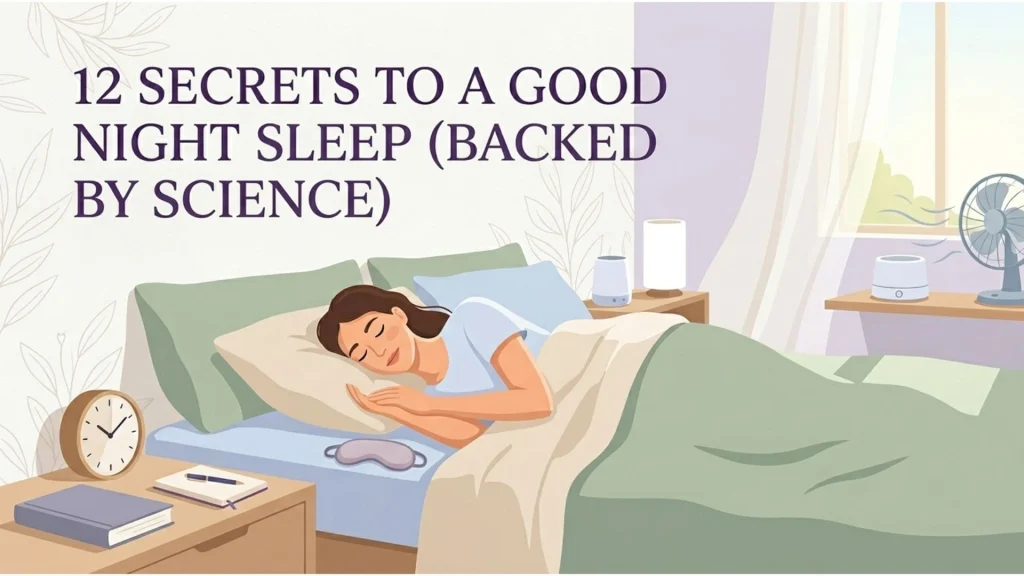

12 Secrets to a Good Night Sleep (Backed by Science) By Emily Carter June 4, 2026 You already know that a good night sleep makes everything better your mood, your focus, your energy, even your skin. Yet for so many of us, falling asleep and staying asleep feels harder than it should. The good news? Better sleep usually isn’t about one magic trick. It’s about a handful of small, repeatable habits that quietly stack up in your favor. Below are 12 secrets to a good night sleep that actually work each one simple enough to start tonight. Pick two or three to begin with, give them a week, and watch how much deeper your rest becomes. 1. Keep a Consistent Sleep Schedule Your body runs on an internal clock called the circadian rhythm, and it loves predictability. Going to bed and waking up at the same time every day — yes, even on weekends trains your brain to feel sleepy and alert at the right moments. If your bedtime currently swings wildly, shift it in 15-minute steps every few nights until you land on a schedule you can keep. Consistency is the single most underrated secret to a good night sleep. 2. Make Your Bedroom Dark, Cool, and Quiet Your sleep environment can either invite rest or sabotage it. The ideal bedroom is cool (around 18°C / 65°F), as dark as you can make it, and free from disruptive noise. Blackout curtains, a simple eye mask, and a white-noise machine or fan can transform a restless room into a sleep sanctuary. Think of your bedroom as a cave: cool, quiet, and dark. 3. Power Down Screens Before Bed The blue light from phones, tablets, and TVs tells your brain it’s still daytime, suppressing the sleep hormone melatonin. Beyond the light, endless scrolling keeps your mind wired exactly when it should be winding down. Aim to switch off screens 30 to 60 minutes before bed. If that feels impossible, enable night mode and keep the phone out of arm’s reach. 4. Watch Your Caffeine and Alcohol Caffeine can linger in your system for six hours or more, so that late-afternoon coffee may still be working against you at midnight. Try to keep caffeine to the morning and early afternoon. Alcohol is sneakier it might help you doze off, but it fragments your sleep later in the night, leaving you groggy. A good night sleep is far easier on a clear, settled system. 5. Soak Up Natural Daylight Bright light during the day is just as important as darkness at night. Morning sunlight anchors your circadian rhythm, boosts daytime alertness, and helps you feel sleepy at the right time in the evening. Try to get outside within an hour of waking even ten minutes of daylight makes a difference. If natural light is scarce, a daylight lamp is a worthy backup. 6. Move Your Body Regularly Regular physical activity helps you fall asleep faster and enjoy deeper sleep. You don’t need an intense gym session a brisk daily walk counts. Just mind the timing. Vigorous exercise too close to bedtime can leave you too energized to settle, so wrap up hard workouts at least a few hours before you turn in. 7. Build a Wind-Down Routine A calming pre-sleep ritual signals to your body that the day is ending. The routine itself matters less than the consistency your brain learns the pattern and starts releasing the brakes. Try a warm shower, light stretching, reading a physical book, journaling, or a few minutes of deep breathing. Repeat the same sequence nightly and it becomes a powerful cue for sleep. 8. Avoid Heavy Meals Late at Night Going to bed on a full stomach forces your body to digest when it should be resting, often leading to discomfort and reflux. Try to finish dinner two to three hours before bed. If hunger strikes later, reach for a light, sleep-friendly snack — a small banana, a handful of almonds, or a little warm milk rather than something rich or spicy. 9. Quiet a Racing Mind For many people, the real enemy of a good night sleep isn’t the body — it’s the mind. Worries, to-do lists, and replays of the day all crowd in the moment your head hits the pillow. Try a “brain dump”: spend five minutes writing down tomorrow’s tasks and lingering thoughts before bed. Pair it with slow breathing or a short meditation to let your nervous system shift into rest mode. 10. Invest in a Comfortable Mattress and Pillows You spend roughly a third of your life in bed, so the surface you sleep on genuinely matters. A sagging mattress or the wrong pillow can quietly steal your rest night after night. Choose a mattress that supports your preferred sleeping position, and replace pillows that have lost their shape. Soft, breathable bedding completes a setup your body will thank you for. 11. Be Smart About Naps A short nap can be a gift but a long or late one can wreck your night. If you nap, keep it to about 20 minutes and finish well before mid-afternoon. Anything longer can push you into deep sleep, leaving you groggy and far less ready for a good night sleep when bedtime arrives. 12. If You Can’t Sleep, Get Up Lying in bed frustrated only teaches your brain to associate the bed with stress. If you’ve been awake for more than 20 minutes, get up and do something calm and screen-free in dim light until you feel sleepy again. This simple reset protects the mental link between your bed and sleep — one of the quietest but most effective secrets to a good night sleep. Your Good Night Sleep Starts Tonight You don’t have to overhaul your life to sleep better. Start with the two or three secrets that feel easiest, stay consistent for a week, and layer in more as they become habits. Small, steady changes are what turn restless nights into deep, restorative rest. Sweet dreams and here’s to waking up genuinely rested. Frequently Asked Questions What is the fastest way to get a good night sleep? The fastest wins are usually a cool, dark room and switching off screens an hour before bed. Pair those with a consistent bedtime and most people notice deeper sleep within a few nights. How many hours of sleep do I really need? Most adults need between seven and nine hours per night. The right amount is the one that lets you wake up feeling refreshed without an alarm dragging you out of deep sleep. Why do I wake up in the middle of the night? Common culprits include alcohol, late caffeine, a too-warm room, stress, or screen use before bed. Working through the 12 secrets above helps you identify and remove your personal triggers. Do I need supplements like melatonin to sleep well? Most people can dramatically improve sleep through habits and environment alone. Supplements may help in specific cases, but they work best alongside good sleep hygiene — not instead of it. Talk to a doctor before starting anything new. How long does it take to fix poor sleep habits? Give new habits at least one to two weeks of consistency. Your circadian rhythm adjusts gradually, so patience and routine are key

12 Secrets to a Good Night Sleep (Backed by Science)

You already know that a good night sleep makes everything better your mood, your focus, your energy, even your skin. Yet for so many of us, falling asleep and staying asleep feels harder than it should. The good news? Better sleep usually isn’t about one magic trick. It’s about a handful of small, repeatable habits that quietly stack up in your favor.

Below are 12 secrets to a good night sleep that actually work each one simple enough to start tonight. Pick two or three to begin with, give them a week, and watch how much deeper your rest becomes.

1. Keep a Consistent Sleep Schedule

Your body runs on an internal clock called the circadian rhythm, and it loves predictability. Going to bed and waking up at the same time every day — yes, even on weekends  trains your brain to feel sleepy and alert at the right moments.

If your bedtime currently swings wildly, shift it in 15-minute steps every few nights until you land on a schedule you can keep. Consistency is the single most underrated secret to a good night sleep.

2. Make Your Bedroom Dark, Cool, and Quiet

Your sleep environment can either invite rest or sabotage it. The ideal bedroom is cool (around 18°C / 65°F), as dark as you can make it, and free from disruptive noise.

Blackout curtains, a simple eye mask, and a white-noise machine or fan can transform a restless room into a sleep sanctuary. Think of your bedroom as a cave: cool, quiet, and dark.

3. Power Down Screens Before Bed

The blue light from phones, tablets, and TVs tells your brain it’s still daytime, suppressing the sleep hormone melatonin. Beyond the light, endless scrolling keeps your mind wired exactly when it should be winding down.

Aim to switch off screens 30 to 60 minutes before bed. If that feels impossible, enable night mode and keep the phone out of arm’s reach.

4. Watch Your Caffeine and Alcohol

Caffeine can linger in your system for six hours or more, so that late-afternoon coffee may still be working against you at midnight. Try to keep caffeine to the morning and early afternoon.

Alcohol is sneakier it might help you doze off, but it fragments your sleep later in the night, leaving you groggy. A good night sleep is far easier on a clear, settled system.

12 Secrets to a Good Night Sleep (Backed by Science) By Emily Carter June 4, 2026 You already know that a good night sleep makes everything better your mood, your focus, your energy, even your skin. Yet for so many of us, falling asleep and staying asleep feels harder than it should. The good news? Better sleep usually isn’t about one magic trick. It’s about a handful of small, repeatable habits that quietly stack up in your favor. Below are 12 secrets to a good night sleep that actually work each one simple enough to start tonight. Pick two or three to begin with, give them a week, and watch how much deeper your rest becomes. 1. Keep a Consistent Sleep Schedule Your body runs on an internal clock called the circadian rhythm, and it loves predictability. Going to bed and waking up at the same time every day — yes, even on weekends trains your brain to feel sleepy and alert at the right moments. If your bedtime currently swings wildly, shift it in 15-minute steps every few nights until you land on a schedule you can keep. Consistency is the single most underrated secret to a good night sleep. 2. Make Your Bedroom Dark, Cool, and Quiet Your sleep environment can either invite rest or sabotage it. The ideal bedroom is cool (around 18°C / 65°F), as dark as you can make it, and free from disruptive noise. Blackout curtains, a simple eye mask, and a white-noise machine or fan can transform a restless room into a sleep sanctuary. Think of your bedroom as a cave: cool, quiet, and dark. 3. Power Down Screens Before Bed The blue light from phones, tablets, and TVs tells your brain it’s still daytime, suppressing the sleep hormone melatonin. Beyond the light, endless scrolling keeps your mind wired exactly when it should be winding down. Aim to switch off screens 30 to 60 minutes before bed. If that feels impossible, enable night mode and keep the phone out of arm’s reach. 4. Watch Your Caffeine and Alcohol Caffeine can linger in your system for six hours or more, so that late-afternoon coffee may still be working against you at midnight. Try to keep caffeine to the morning and early afternoon. Alcohol is sneakier it might help you doze off, but it fragments your sleep later in the night, leaving you groggy. A good night sleep is far easier on a clear, settled system. 5. Soak Up Natural Daylight Bright light during the day is just as important as darkness at night. Morning sunlight anchors your circadian rhythm, boosts daytime alertness, and helps you feel sleepy at the right time in the evening. Try to get outside within an hour of waking even ten minutes of daylight makes a difference. If natural light is scarce, a daylight lamp is a worthy backup. 6. Move Your Body Regularly Regular physical activity helps you fall asleep faster and enjoy deeper sleep. You don’t need an intense gym session a brisk daily walk counts. Just mind the timing. Vigorous exercise too close to bedtime can leave you too energized to settle, so wrap up hard workouts at least a few hours before you turn in. 7. Build a Wind-Down Routine A calming pre-sleep ritual signals to your body that the day is ending. The routine itself matters less than the consistency your brain learns the pattern and starts releasing the brakes. Try a warm shower, light stretching, reading a physical book, journaling, or a few minutes of deep breathing. Repeat the same sequence nightly and it becomes a powerful cue for sleep. 8. Avoid Heavy Meals Late at Night Going to bed on a full stomach forces your body to digest when it should be resting, often leading to discomfort and reflux. Try to finish dinner two to three hours before bed. If hunger strikes later, reach for a light, sleep-friendly snack — a small banana, a handful of almonds, or a little warm milk rather than something rich or spicy. 9. Quiet a Racing Mind For many people, the real enemy of a good night sleep isn’t the body — it’s the mind. Worries, to-do lists, and replays of the day all crowd in the moment your head hits the pillow. Try a “brain dump”: spend five minutes writing down tomorrow’s tasks and lingering thoughts before bed. Pair it with slow breathing or a short meditation to let your nervous system shift into rest mode. 10. Invest in a Comfortable Mattress and Pillows You spend roughly a third of your life in bed, so the surface you sleep on genuinely matters. A sagging mattress or the wrong pillow can quietly steal your rest night after night. Choose a mattress that supports your preferred sleeping position, and replace pillows that have lost their shape. Soft, breathable bedding completes a setup your body will thank you for. 11. Be Smart About Naps A short nap can be a gift but a long or late one can wreck your night. If you nap, keep it to about 20 minutes and finish well before mid-afternoon. Anything longer can push you into deep sleep, leaving you groggy and far less ready for a good night sleep when bedtime arrives. 12. If You Can’t Sleep, Get Up Lying in bed frustrated only teaches your brain to associate the bed with stress. If you’ve been awake for more than 20 minutes, get up and do something calm and screen-free in dim light until you feel sleepy again. This simple reset protects the mental link between your bed and sleep — one of the quietest but most effective secrets to a good night sleep. Your Good Night Sleep Starts Tonight You don’t have to overhaul your life to sleep better. Start with the two or three secrets that feel easiest, stay consistent for a week, and layer in more as they become habits. Small, steady changes are what turn restless nights into deep, restorative rest. Sweet dreams and here’s to waking up genuinely rested. Frequently Asked Questions What is the fastest way to get a good night sleep? The fastest wins are usually a cool, dark room and switching off screens an hour before bed. Pair those with a consistent bedtime and most people notice deeper sleep within a few nights. How many hours of sleep do I really need? Most adults need between seven and nine hours per night. The right amount is the one that lets you wake up feeling refreshed without an alarm dragging you out of deep sleep. Why do I wake up in the middle of the night? Common culprits include alcohol, late caffeine, a too-warm room, stress, or screen use before bed. Working through the 12 secrets above helps you identify and remove your personal triggers. Do I need supplements like melatonin to sleep well? Most people can dramatically improve sleep through habits and environment alone. Supplements may help in specific cases, but they work best alongside good sleep hygiene — not instead of it. Talk to a doctor before starting anything new. How long does it take to fix poor sleep habits? Give new habits at least one to two weeks of consistency. Your circadian rhythm adjusts gradually, so patience and routine are key

5. Soak Up Natural Daylight

Bright light during the day is just as important as darkness at night. Morning sunlight anchors your circadian rhythm, boosts daytime alertness, and helps you feel sleepy at the right time in the evening.

Try to get outside within an hour of waking even ten minutes of daylight makes a difference. If natural light is scarce, a daylight lamp is a worthy backup.

6. Move Your Body Regularly

Regular physical activity helps you fall asleep faster and enjoy deeper sleep. You don’t need an intense gym session a brisk daily walk counts.

Just mind the timing. Vigorous exercise too close to bedtime can leave you too energized to settle, so wrap up hard workouts at least a few hours before you turn in.

7. Build a Wind-Down Routine

A calming pre-sleep ritual signals to your body that the day is ending. The routine itself matters less than the consistency your brain learns the pattern and starts releasing the brakes.

Try a warm shower, light stretching, reading a physical book, journaling, or a few minutes of deep breathing. Repeat the same sequence nightly and it becomes a powerful cue for sleep.

8. Avoid Heavy Meals Late at Night

Going to bed on a full stomach forces your body to digest when it should be resting, often leading to discomfort and reflux. Try to finish dinner two to three hours before bed.

If hunger strikes later, reach for a light, sleep-friendly snack — a small banana, a handful of almonds, or a little warm milk rather than something rich or spicy.

9. Quiet a Racing Mind

For many people, the real enemy of a good night sleep isn’t the body — it’s the mind. Worries, to-do lists, and replays of the day all crowd in the moment your head hits the pillow.

Try a “brain dump”: spend five minutes writing down tomorrow’s tasks and lingering thoughts before bed. Pair it with slow breathing or a short meditation to let your nervous system shift into rest mode.

10. Invest in a Comfortable Mattress and Pillows

You spend roughly a third of your life in bed, so the surface you sleep on genuinely matters. A sagging mattress or the wrong pillow can quietly steal your rest night after night.

Choose a mattress that supports your preferred sleeping position, and replace pillows that have lost their shape. Soft, breathable bedding completes a setup your body will thank you for.

11. Be Smart About Naps

A short nap can be a gift  but a long or late one can wreck your night. If you nap, keep it to about 20 minutes and finish well before mid-afternoon.

Anything longer can push you into deep sleep, leaving you groggy and far less ready for a good night sleep when bedtime arrives.

12. If You Can’t Sleep, Get Up

Lying in bed frustrated only teaches your brain to associate the bed with stress. If you’ve been awake for more than 20 minutes, get up and do something calm and screen-free in dim light until you feel sleepy again.

This simple reset protects the mental link between your bed and sleep — one of the quietest but most effective secrets to a good night sleep.

Your Good Night Sleep Starts Tonight

You don’t have to overhaul your life to sleep better. Start with the two or three secrets that feel easiest, stay consistent for a week, and layer in more as they become habits. Small, steady changes are what turn restless nights into deep, restorative rest.

Sweet dreams and here’s to waking up genuinely rested.

Frequently Asked Questions

What is the fastest way to get a good night sleep? The fastest wins are usually a cool, dark room and switching off screens an hour before bed. Pair those with a consistent bedtime and most people notice deeper sleep within a few nights.

How many hours of sleep do I really need? Most adults need between seven and nine hours per night. The right amount is the one that lets you wake up feeling refreshed without an alarm dragging you out of deep sleep.

Why do I wake up in the middle of the night? Common culprits include alcohol, late caffeine, a too-warm room, stress, or screen use before bed. Working through the 12 secrets above helps you identify and remove your personal triggers.

Do I need supplements like melatonin to sleep well? Most people can dramatically improve sleep through habits and environment alone. Supplements may help in specific cases, but they work best alongside good sleep hygiene — not instead of it. Talk to a doctor before starting anything new.

How long does it take to fix poor sleep habits? Give new habits at least one to two weeks of consistency. Your circadian rhythm adjusts gradually, so patience and routine are key.

Practical Sleep Guidance - No Hype, No
Pressure

There’s a lot of sleep advice on the internet. Most of it is either overcomplicated or trying
to sell you something you don’t need. The Way We Sleep takes a different approach.

Every article on the site is:

Meet the Team Behind The Way We Sleep

Practical guides on sleep routines, bedroom comfort, wellness habits, and
honest reviews written by humans, not algorithms.

Practical guides on sleep routines, bedroom comfort, wellness habits, and honest reviews written by humans, not algorithms.

Emily Carter the way we sleep

Emily Carter

Sleep Wellness Writer

Writes practical sleep tips, nighttime routines, and wellness-focused lifestyle improvements,

Michael Reeves the way we sleep

Michael Reeves

SLEEP & LIFESTYLE CONTRIBUTOR

Covers sleep quality, bedroom comfort, recovery routines, and modern lifestyle habits.

Sophia Bennett the way we sleep

Sophia Bennett

WELLNESS CONTENT WRITER

Specializes in sleep weliness, stress management, and healthy daily routines.

Daniel Foster the way we sleep

Daniel Foster

SLEEP PRODUCT REVIEWER

Reviews mattresses, pillows, and sleep accessories with a focus on real comfort and usability.

Better Sleep, One Email at a Time

Practical guides on sleep routines, bedroom comfort, wellness habits, and honest reviews written by humans, not algorithms.

We Respect Your Privacy. See our Privacy Policy