
Just when your body needs rest the most, your period can make a good night’s sleep feel impossible. Between cramps that seem to get louder the moment the lights go out, a body that runs hot, and the worry of leaks, restful nights can be hard to come by. You’re far from alone around a third of women lose quality sleep every month, and those with PMS are roughly twice as likely to struggle with insomnia.
The good news: a few targeted changes can make a real difference. Here’s why your period disrupts your sleep, and eight things that genuinely help you rest through it.
Why Your Period Disrupts Your Sleep
A few forces tend to gang up at night. In the days before and during your period, estrogen and progesterone drop, taking some of their natural sleep-supporting effects with them. Cramps caused by prostaglandins making your uterus contract often feel worse at night, when there are no daytime distractions and lying down increases blood flow to the area. Hormonal shifts also nudge your body temperature up, leading to night sweats and restlessness, whilebloating, headaches, mood changes, and leak worries round out the picture. Understanding the cause makes each fix below make sense.

1. Use Heat to Ease Cramps
Heat is one of the simplest, most effective tools for period cramps. Apply a heating pad, hot water bottle, or stick-on heat patch to your lower abdomen or back for about 15 to 20 minutes before bed. The warmth relaxes your uterine muscles and improves blood flow, easing the cramping that keeps you awake. Choose a model with an auto shut-off, or remove it before you drift off, for safety.
2. Find the Right Sleep Position
The position you sleep in can directly reduce cramp pain. The fetal position on your side with your knees gently drawn toward your chest takes pressure off your abdominal muscles and is widely considered the most comfortable during your period; a pillow between your knees adds support. If that’s not for you, sleeping on your back with a pillow under your knees distributes weight evenly and eases lower-back strain. Feeling bloated or queasy? Prop your upper body up slightly with pillows.
3. Keep Your Room Cool
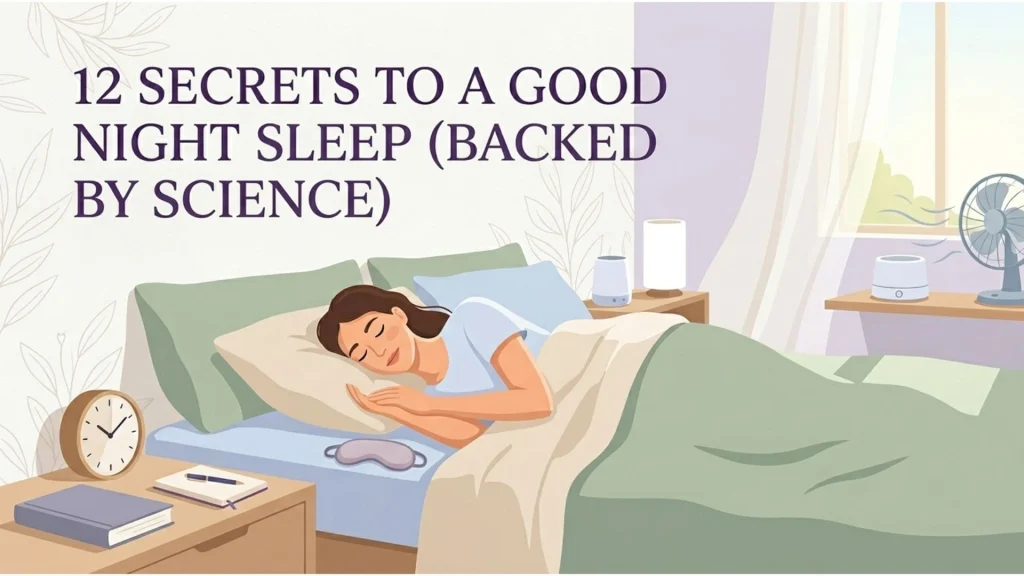
Because your body temperature runs higher around your period, a cool bedroom helps counter night sweats and restlessness. Turn the thermostat down, run a fan, and choose light, breathable bedding and sleepwear. It’s worth cooling things down even in the week before your period, when your temperature starts to climb.
4. Eat and Drink for Better Sleep
What you eat matters too. Foods rich in magnesium leafy greens, bananas, almonds help relax muscles and may ease cramps, while staying well hydrated keeps bloating and cramping from getting worse. In the evening, go easy on caffeine and sugar, both of which can make it harder to fall and stay asleep when your body is already struggling.
5. Move Gently and Stretch
It feels counterintuitive when you’re sore, but gentle movement helps. Light yoga, easy stretching, or a slow walk earlier in the day can reduce cramp intensity, and a few calming stretches before bed ease your body toward sleep. A gentle self-massage of your lower abdomen or back can relax tense muscles too.
6. Calm Your Mind Before Bed
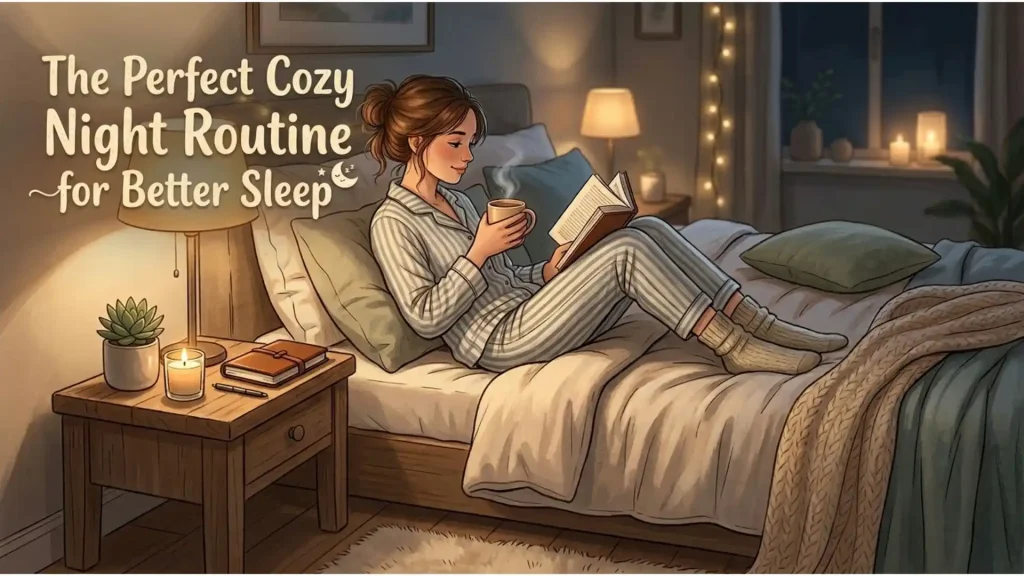
Hormonal shifts can crank up anxiety and overthinking right when you’re trying to switch off. A soothing wind-down routine helps signal that it’s time to rest a warm bath, journaling, reading, deep breathing, or meditation all work. Dim the lights and put screens away to let your body settle.
7. Consider Pain Relief When You Need It
If cramps are severe, an over-the-counter anti-inflammatory like ibuprofen taken before bed can reduce the prostaglandins behind the pain and help you sleep. Use it as directed, and talk to a pharmacist or doctor if you’re unsure whether it’s right for you or you find yourself needing it every cycle.
8. Sleep Leak-Free for Peace of Mind
Half the battle is not lying awake worrying about leaks. Use overnight-specific protection a high-absorbency pad, period underwear, or a menstrual cup and change to fresh protection right before bed. Sleeping on your side with your legs together can help too. Removing that anxiety frees you to actually relax.
When to See a Doctor
Some period discomfort is normal, but certain signs deserve medical attention. See a doctor or gynecologist if you have severe pain that disrupts daily life, cramps that worsen over time or last more than a couple of days, very heavy bleeding (soaking through protection hourly), bleeding between periods, or pain with fever, nausea, or fainting. These can point to treatable conditions like endometriosis, fibroids, or PCOS and persistent period insomnia is worth raising too.
The Bottom Line
Sleeping on your period gets much easier when you tackle the specific culprits: use heat and a knees-tucked position for cramps, keep your room cool for night sweats, support your body with magnesium-rich foods and hydration, calm your mind with a wind-down routine, and sleep leak-free so you can truly relax. Be gentle with yourself your body is doing a lot and if the disruption is severe or persistent, let a doctor help.