How to Sleep After an Argument or Tense Family Night
An argument can leave you too wired to sleep. Learn how to pause the conflict, calm your body and get some rest after a tense family night.
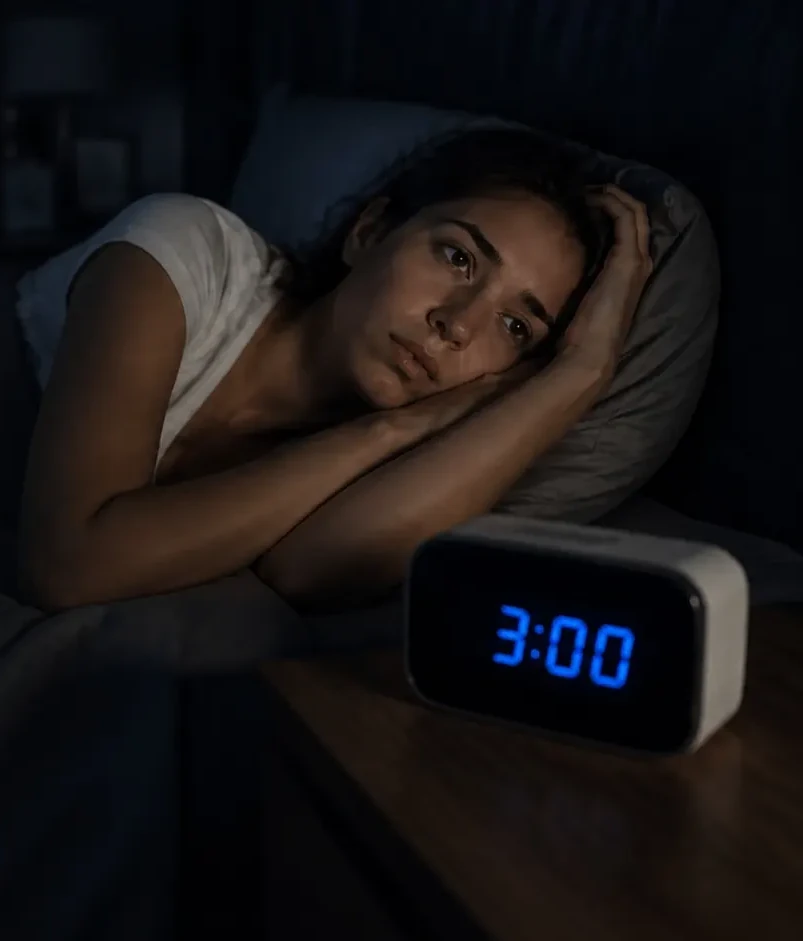
A tense conversation can follow you into bed long after the words have stopped. Your heart is still quicker than it should be, your mind is rewriting what you wish you had said, and the room feels too quiet. Sleep starts to look impossible.
You do not have to finish the argument tonight to get some rest. You do have to help your body stand down and give the leftover thoughts a place to go that is not the ceiling.
Quick Summary
- Do not try to win the conversation at midnight. Tired brains are worse at repair and better at replay.
- Cool the body first. Slow breathing, a shower or a short walk to another room can lower the adrenaline.
- Write down the leftover points, then close the notebook. You can come back to them in the morning.
- Keep lights and screens low. A late, heated text thread is a second argument.
- If you share a bed, agree on a pause. You can reconnect tomorrow without forcing a late resolution.
- If you cannot fall asleep, get up for a quiet reset instead of staring at the clock.
Why an Argument Makes the Night Feel So Long
Conflict turns on your alert system. Your body treats a sharp conversation a little like a threat: faster pulse, tense muscles, a mind that keeps scanning for what to do next. That state is the opposite of the one you need for sleep.
Family gatherings can make this worse because the stakes feel personal and the day was already full. The same pattern shows up in holiday stress and sleep more generally: the event is over, but your nervous system has not received the all-clear.
There is also a mental loop. You replay the moment, draft a better reply and imagine tomorrow’s follow-up. That is overthinking at night with a sharper edge. The more you try to settle it in your head, the more awake you become.
Call a Truce for the Night
If the other person is still in the room, you do not need a perfect speech. You need a pause. Try something short and specific: “I want to talk about this, and I don’t want to do it half-asleep. Can we pick it up in the morning?” Then stop adding new points.
If the argument was over text, put the phone in another room. A bright screen and a fresh reply will keep the conflict live. You can write a draft in a notebook if you are afraid you will forget a point. You do not have to send it tonight.
This is not the same as avoiding the issue forever. It is a recognition that late-night problem-solving rarely makes the relationship, or your sleep, better. In the morning, you will usually have a cleaner version of what you actually want to say.
Help Your Body Stand Down
Adrenaline fades faster when you give it a physical off-ramp. Get out of a clenched position. Drop your shoulders. Unclench your jaw. A warm shower, a slow stretch or a few rounds of 4-7-8 breathing can take the edge off within a few minutes.
If you feel shaky or overheated, splash cool water on your face and sit in a dim room until your breathing slows. You are not trying to meditate your way into a full resolution. You are trying to tell your body that the moment of danger has passed.
People who already deal with anxiety at night may recognize this state. The tools are similar: lengthen the exhale, relax the body and stop adding stimulation. A short walk to the kitchen for water is fine. Opening a new debate is not.

Get the Thoughts Out of Your Head, Then Stop
A short writing pass is one of the most useful things you can do. Use journaling before bed in a very practical way: what happened, what still hurts, what you want to say tomorrow and what you can leave alone. Two pages is plenty.
When you are done, close the notebook and change the scene. Dim the light, get into bed and shift to something neutral if you need a bridge, like a dull paperback or a familiar audio track at low volume. Do not open a social app or a photo thread from the day.
If You Share a Bed After a Fight
You may not want to talk, and you also may not want to sleep in another room every time something goes wrong. Both feelings can be true. A simple plan helps: backs turned is allowed, a short “goodnight” is enough, and a bigger conversation waits until morning.
If being side by side is too raw, one night on a made-up couch is fine. Make that a cooling-off choice, not a punishment, and agree on a time to talk after breakfast. The goal is to keep the night from turning into a second fight about who left the room.

If You Are Still Awake
Clock-watching will make the argument feel larger. If you have been in bed about 20 minutes and feel wired, get up and follow the same advice you would use for nights you cannot sleep: low light, a quiet activity, back to bed when the wave of alertness drops.
In the morning, drink water, get some light and wait until you are actually awake before reopening the issue. A conversation after breakfast is almost always fairer than the one you were drafting at 1 a.m.
A Night-After-Conflict Plan
- Pause the discussion and name a time tomorrow to continue it.
- Put phones away so the argument cannot restart by text.
- Use slow breathing, a shower or a stretch to bring your body down a notch.
- Write the leftover points once, then close the notebook.
- If sleep does not come, get up for a quiet reset instead of forcing it.
You can care about what happened and still protect the night. The repair will go better when you have slept, even if the sleep you get is shorter than usual.
General guidance, not medical advice. If a sleep problem persists or gets worse, speak to a qualified clinician. Medical disclaimer