Holiday Stress and Sleep: 9 Ways to Rest Better This Season
Holiday stress keeping you up? Learn how stress affects sleep and 9 simple ways to rest better, from a bedtime brain dump to cutting late caffeine.
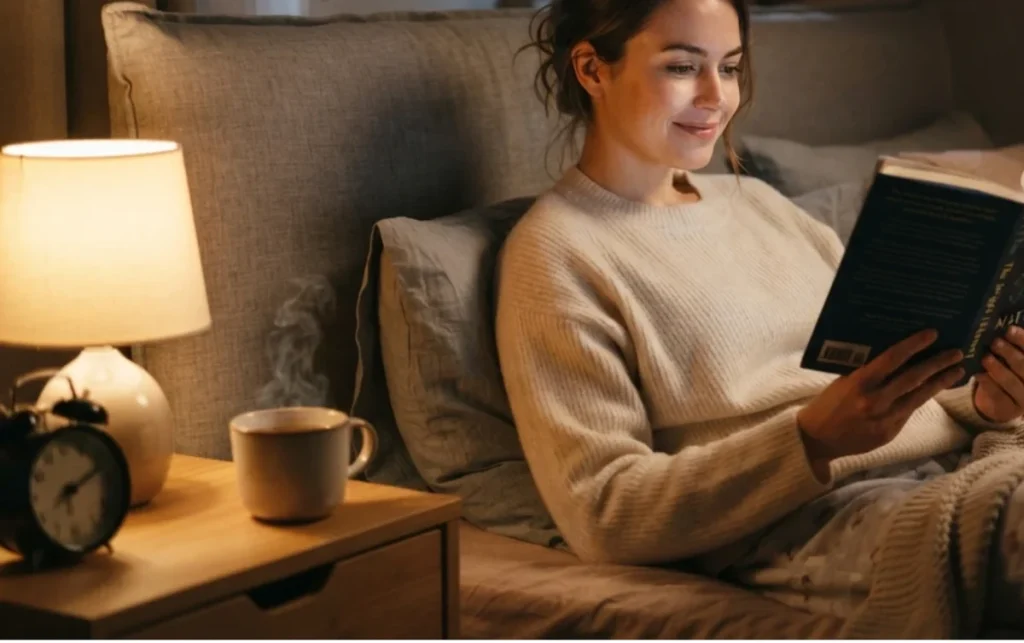
The holidays are supposed to be relaxing, but for a lot of people they’re the most stressful weeks of the year. There are gifts to buy, travel to plan, family to host, year-end work deadlines, and a calendar packed with parties. By the time you finally get into bed, your mind is still running through the to-do list.
Stress and sleep feed each other. Stress makes it harder to fall asleep, and short sleep makes the next day’s stress feel bigger. The good news is that a few simple habits can break that loop, even in the busiest season. Here’s how holiday stress affects your sleep and what actually helps.
Quick Summary
- Stress keeps your body on alert. Stress hormones and a racing mind make it harder to fall asleep and stay asleep, as the Sleep Foundation explains.
- Protect your sleep schedule. Keep your wake-up time steady, even after late parties.
- Do a brain dump before bed. Write tomorrow’s to-do list so your mind doesn’t have to hold it.
- Build a 30-minute buffer. Screens off, lights down, and something calm between the busy day and bed.
- Watch the holiday extras. Late caffeine, alcohol, and heavy meals all chip away at sleep.
How Stress Affects Your Sleep
When you’re stressed, your body releases hormones like cortisol and adrenaline that prepare you to deal with a challenge. That’s useful during the day, but it’s the opposite of what you need at bedtime. The Sleep Foundation notes that stress can make it harder to fall asleep, cause you to wake up more during the night, and lead to short-term insomnia.
The National Institute of Mental Health notes that stress that doesn’t go away can lead to problems with sleeping, and it lists sticking to a sleep routine and getting enough sleep among the best ways to cope. In other words, sleep is both a casualty of stress and one of your best defenses against it.
Holiday stress has a few extra twists. Your routine changes, you may be sleeping somewhere new, meals and drinks run later, and the short, dark days of late fall can leave you feeling tired and low.

9 Ways to Sleep Better When Holiday Stress Hits
1. Keep your wake-up time steady
It’s tempting to sleep in after a late party, but a steady wake-up time is what keeps your body clock on track. Try to get up within an hour of your usual time, even on weekends and days off. If you’re short on sleep, a short early-afternoon nap is better than a long lie-in. Our guide on sleeping in on weekends explains why.
2. Do a 10-minute brain dump
A racing mind is the number one complaint during stressful weeks. About an hour before bed, write down everything that’s on your mind: gifts to buy, emails to send, things you’re worried about. Then pick the top three tasks for tomorrow. Getting it on paper tells your brain it doesn’t have to keep rehearsing. See journaling before bed for prompts.
3. Create a wind-down buffer
You can’t go from wrapping gifts at full speed to deep sleep in five minutes. Give yourself 30 to 60 minutes to slow down. Dim the lights, change into pajamas, and do something calm, like reading, stretching, or a warm shower. The American Academy of Sleep Medicine recommends a relaxing bedtime routine and turning off electronic devices at least 30 minutes before bed.
4. Put the phone (and the shopping apps) away
Late-night online shopping, checking flight times, and scrolling through everyone’s holiday photos keep your mind switched on. Charge your phone outside the bedroom if you can, or at least across the room. If you need to finish a task, do it before your wind-down starts.
5. Try a breathing exercise in bed
Slow breathing helps calm your nervous system. Try box breathing: breathe in for four counts, hold for four, breathe out for four, and hold for four. Repeat for a few minutes. Our guides to box breathing and progressive muscle relaxation walk you through it.
6. Cut off caffeine early
Holiday coffee drinks and an afternoon cup to power through shopping can linger in your system for hours. The AASM advises avoiding caffeine in the late afternoon and evening. Switch to decaf or herbal tea after lunch. Learn more in caffeine and sleep.
7. Go easy on the holiday drinks
A glass of wine may feel relaxing, but alcohol fragments sleep later in the night and can leave you waking at 3 a.m. with your mind racing. The Sleep Foundation explains that alcohol reduces sleep quality, especially in the second half of the night. Alternate drinks with water and stop a few hours before bed.
8. Get daylight and movement
Short winter days and long hours indoors can throw off your body clock. A morning walk outside gives you daylight and exercise, both of which help you feel sleepy at the right time later. Even 15 to 20 minutes helps. See does exercise help you sleep.
9. Say no to one thing
You don’t have to attend every party or bake every recipe. Pick one thing to drop or simplify this week, and use that time for rest. Protecting seven or more hours of sleep is a gift to yourself and everyone who has to be around you.
What to Do When You Can’t Fall Asleep
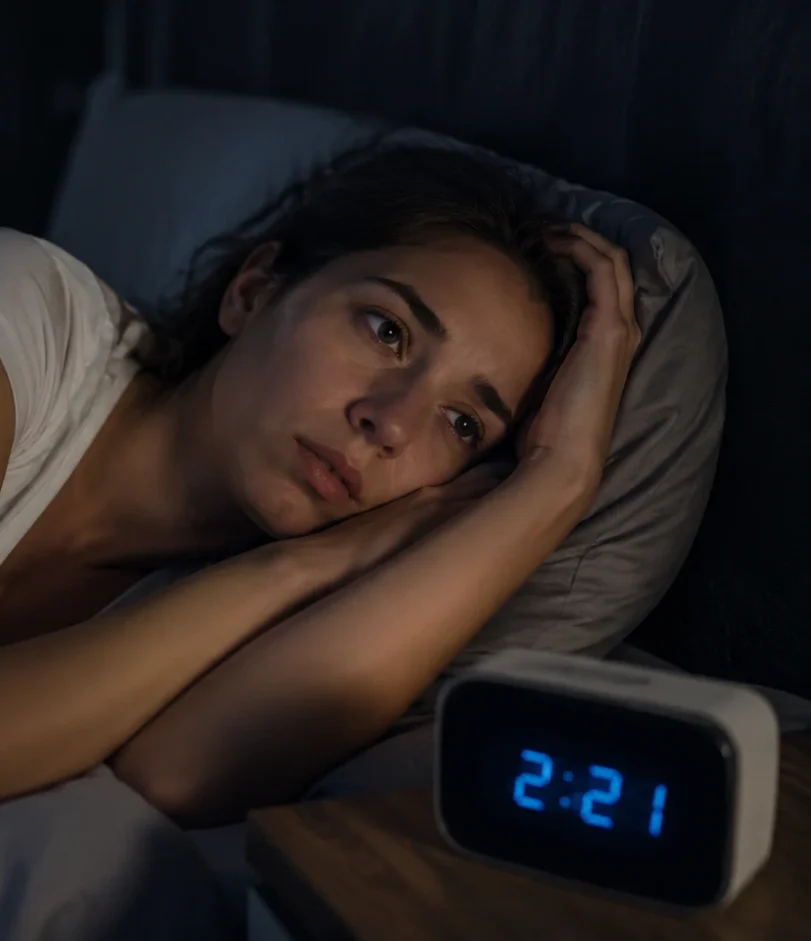
Even with good habits, some nights your mind won’t switch off. If you’ve been lying awake for about 20 minutes, the AASM suggests getting out of bed and doing something relaxing in dim light until you feel sleepy. Lying in bed frustrated teaches your brain that bed is a place to worry.
Keep the clock turned away, skip the phone, and try a boring, calming activity like folding laundry or reading a familiar book. When you feel drowsy, go back to bed. Our guide to how to stop overthinking at night has more ideas.
A Simple Holiday Evening Routine
| Time before bed | What to do |
|---|---|
| 3 hours | Finish big meals and the last alcoholic drink |
| 90 minutes | Wrap up shopping, emails and planning for the day |
| 60 minutes | Brain dump: write tomorrow’s top 3 tasks |
| 30 minutes | Screens off, lights low, warm shower or stretching |
| In bed | Slow breathing or muscle relaxation |
When Stress Is More Than Seasonal
Feeling stressed and tired during the holidays is common. But if trouble sleeping lasts more than a few weeks, or you feel hopeless, can’t enjoy things, or can’t manage daily life, talk to a doctor or mental health professional. The NIMH notes that long-lasting stress can affect your health and that help is available. If you’re in crisis, call or text 988 in the U.S. to reach the Suicide and Crisis Lifeline.
The Bottom Line
Holiday stress is real, and it shows up at bedtime. Keep your wake-up time steady, get your worries out of your head and onto paper, give yourself a real wind-down, and go easy on late caffeine and drinks. These small habits protect your sleep so you have the energy to enjoy the season. For more ideas, see our full list of holiday sleep tips.
FAQ: Holiday Stress and Sleep
Can stress really cause insomnia?
Yes. Stress is one of the most common triggers of short-term insomnia. It keeps your body and mind on alert, which makes it harder to fall asleep and stay asleep.
How do I calm my mind before bed during the holidays?
Write down your to-do list and worries an hour before bed, then give yourself 30 minutes of calm time with screens off. Slow breathing or muscle relaxation in bed can help too.
Is it OK to sleep in after a late holiday party?
A little extra sleep is fine, but try to wake up within about an hour of your usual time. Big lie-ins can shift your body clock and make the next night harder.
How much sleep do adults need during busy weeks?
Adults need 7 to 9 hours a night, according to the National Heart, Lung, and Blood Institute. Busy weeks are when protecting that time matters most.
This article is for general information only and isn’t medical or mental health advice. If sleep problems or stress last for weeks or affect your daily life, talk to a health care professional. In the U.S., call or text 988 for the Suicide and Crisis Lifeline.
General guidance, not medical advice. If a sleep problem persists or gets worse, speak to a qualified clinician. Medical disclaimer