4-7-8 Breathing for Sleep: How to Do It Step by Step
Learn how to do 4-7-8 breathing for sleep step by step, why this slow breathing pattern helps calm a racing mind, and simple tips to make it a bedtime habit.
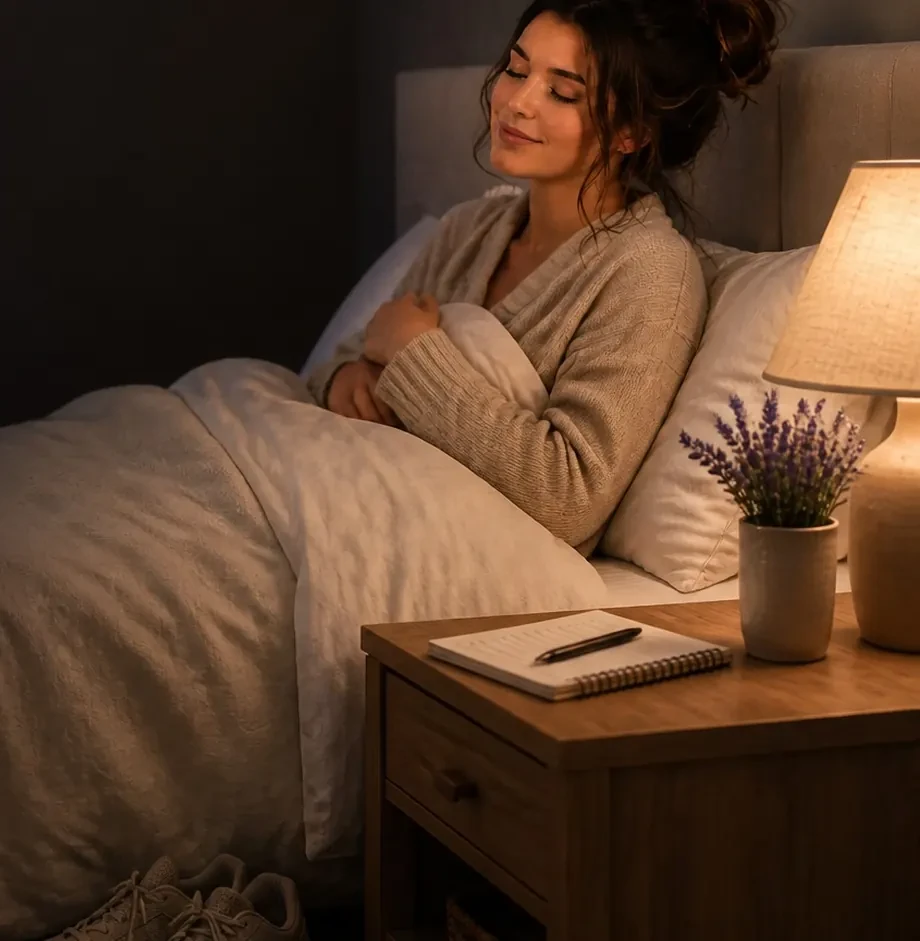
You’re tired, the lights are off and your brain is still replaying the day. If counting sheep has never worked for you, try counting your breath instead. The 4-7-8 breathing method is a simple pattern you can do lying in bed, with no app, no gadget and no cost.
Here’s what 4-7-8 breathing is, how to do it step by step, why it can help you wind down and how to make it a habit that actually sticks.
Quick Summary
- The pattern is simple. Breathe in through your nose for 4 counts, hold for 7 and breathe out through your mouth for 8.
- It works by slowing you down. Slow, deep breathing may switch on your body’s relaxation response and give a racing mind something else to focus on.
- Start small. Cleveland Clinic suggests four cycles, and feeling a little lightheaded at first is common.
- Practice when you’re calm. Doing it twice a day makes it easier to use when you really need it at bedtime.
- It isn’t a cure for insomnia. If you regularly struggle to fall or stay asleep, talk with a doctor.
What Is 4-7-8 Breathing?
4-7-8 breathing is a form of intentional breathwork that can calm your mind and body, according to Cleveland Clinic. It was popularized by integrative medicine physician Andrew Weil, MD, and has roots in pranayama, the yogic practice of focusing on the breath. The Sleep Foundation also calls it “relaxing breath.”
The name is the recipe. You breathe in for a count of 4, hold for a count of 7 and breathe out for a count of 8. The long exhale is the part most people notice. It naturally slows everything down.
How it compares with other breathing tricks
4-7-8 is one of several slow-breathing techniques. Box breathing uses four equal counts, which some people find easier to start with. If tension lives in your shoulders and jaw, progressive muscle relaxation pairs well with either one.
Why 4-7-8 Breathing Can Help You Sleep
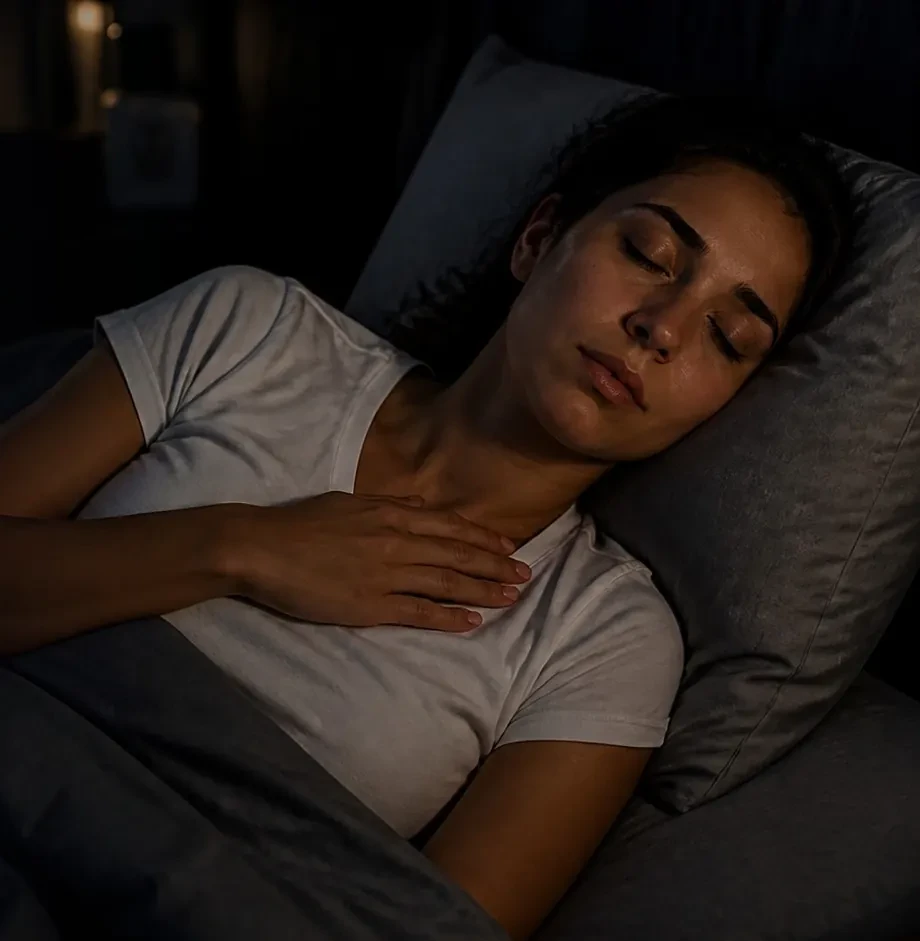
Stress switches on your sympathetic nervous system, the “fight-or-flight” side that speeds up your heart and makes your breathing shallow. Your parasympathetic nervous system does the opposite and helps you settle. Integrative medicine specialist Melissa Young, MD, tells Cleveland Clinic that breathing techniques like 4-7-8 can play a big role in activating that calming side.
Here’s how it may help at bedtime:
- It gives your mind a job. Counting is a simple distraction from worries and repetitive thoughts, Dr. Young explains.
- It eases stress and anxiety. Calming your mind and lowering anxiety go a long way toward better sleep.
- It slows your body down. Cleveland Clinic notes that 4-7-8 breathing has been shown to lower heart rate and blood pressure, which helps put your body in a state that’s ready for sleep.
- It gets easier with practice. The more you do it, the more readily your body shifts into that relaxed mode.
If anxious thoughts are the main thing keeping you up, our guides on how to sleep with anxiety and how to stop overthinking at night have more ideas.
How to Do 4-7-8 Breathing Step by Step
You can do this sitting up or lying down. Dr. Weil recommends sitting with your back straight, but if you’re using it to fall asleep, Cleveland Clinic says lying in bed is fine.
- Place your tongue. Rest the tip of your tongue on the ridge just behind your top front teeth and keep it there the whole time.
- Breathe out completely. Let all the air out through your mouth with a gentle whoosh.
- Breathe in for 4. Close your mouth and breathe in quietly through your nose while you count to four in your head.
- Hold for 7. Hold your breath gently, without straining, while you count to seven.
- Breathe out for 8. Exhale slowly through your mouth for a count of eight, lips slightly pursed, with that whooshing sound again.
- Repeat. That’s one cycle. Cleveland Clinic suggests doing three more cycles. The Sleep Foundation suggests repeating around six times before going back to normal breathing.
Pick a pace that feels okay
The counts are a ratio, not a stopwatch. Don’t go painfully slow at first. Choose a pace that’s comfortable and slow it down as you get used to it. Dr. Young says the ratio stays the same while the pace can change to suit you.
A little lightheaded? That’s common
Cleveland Clinic says you might feel slightly lightheaded or short of breath when you’re first learning, simply because most of us aren’t used to breathing this slowly. Go back to normal breathing for a moment and keep the counts shorter next time. If you have a lung or heart condition, ask your doctor before trying breath-holding exercises.
When to Use 4-7-8 Breathing
At bedtime
Make it the last thing you do after lights out. A few rounds can be the bridge between scrolling and sleeping. It also fits right into a calm routine like our sleepy girl night routine.
When you wake up at night
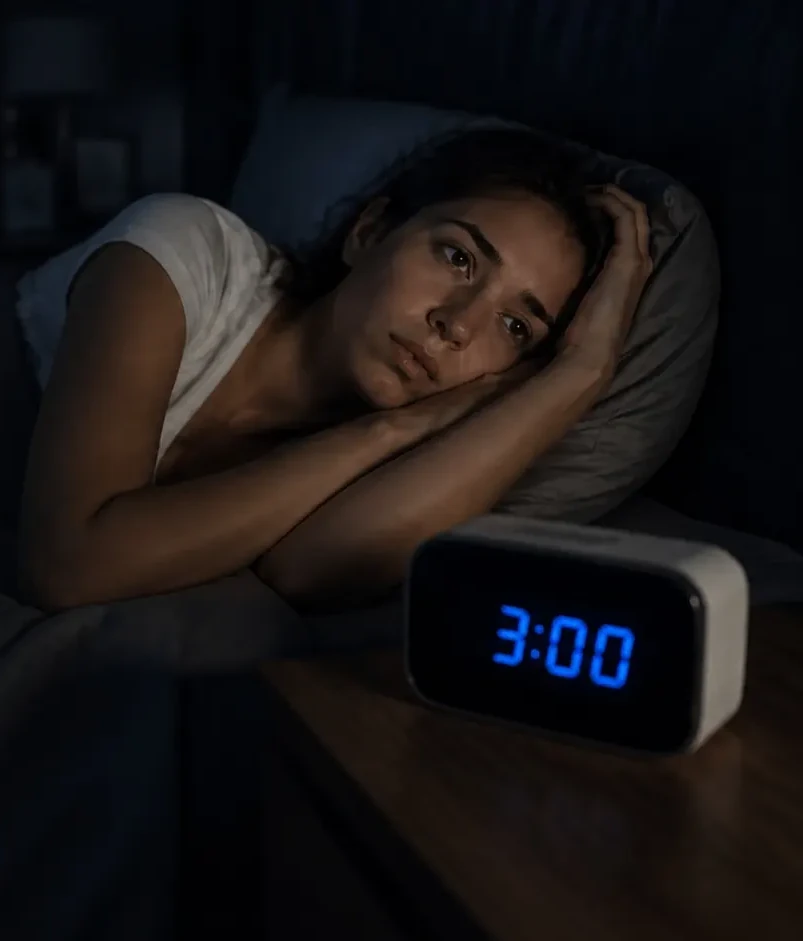
The Sleep Foundation’s guide to falling back asleep recommends slow, deep breathing such as the 4-7-8 method to help you fall back asleep, since it may activate the part of your nervous system involved in relaxation. If you’ve been lying awake for about 20 minutes, it suggests getting up and doing something quiet and relaxing until you feel sleepy again. Our plan for what to do when you can’t sleep at night walks you through it, and waking up in the middle of the night covers common reasons it happens.
During the day
Dr. Young suggests practicing three cycles twice a day, even when you aren’t stressed. Pick two moments you already have every day, like after you brush your teeth in the morning and right before bed. That repetition is what makes the technique feel automatic when you need it most.
Tips to Make 4-7-8 Breathing Work for You
- Don’t aim for perfect. Cleveland Clinic says nobody masters it on the first try, or even the 20th.
- Skip the clock. The Sleep Foundation advises against checking the time or grabbing your phone when you wake at night.
- Clear your nose first. Breathing in through your nose is easier when it isn’t blocked. Our tips on how to sleep with a stuffy nose can help during cold season.
- Stack it with other techniques. Try it before the military sleep method or a short sleep meditation.
- Keep your sleep basics steady. Breathing works best alongside a regular bedtime and a dark, cool room. See our list of ways to fall asleep fast naturally.
4-7-8 Breathing at a Glance
| Step | What to do | Count |
|---|---|---|
| Get set | Tongue behind your top front teeth, breathe out fully | – |
| Breathe in | Quietly through your nose | 4 |
| Hold | Gently, without straining | 7 |
| Breathe out | Slowly through your mouth with a whoosh | 8 |
| Repeat | Start with 4 cycles total | 4 cycles |
When Breathing Exercises Aren’t Enough
Relaxation techniques are helpful, but the Sleep Foundation notes that they’re not a substitute for talking with a doctor or sleep specialist. If you have trouble falling or staying asleep most nights, if you snore loudly or wake up gasping, or if you’re tired during the day no matter how long you sleep, get checked. Treatments like cognitive behavioral therapy for insomnia can help. Learn more in our guide to insomnia causes and what helps.
The Bottom Line
4-7-8 breathing is an easy, free way to calm your mind and body before sleep. Breathe in for 4, hold for 7 and breathe out for 8, starting with four rounds. Practice during the day so it feels natural at night, and be patient with yourself while you learn. If sleep problems keep coming back, talk with your doctor.
FAQ: 4-7-8 Breathing
How many times should I do 4-7-8 breathing?
Cleveland Clinic suggests four cycles in a row, and practicing three cycles twice a day to build the habit. The Sleep Foundation suggests repeating the cycle around six times before returning to normal breathing.
Can 4-7-8 breathing help you fall asleep in one minute?
There’s no guarantee of a specific time. It may help you relax so sleep comes more easily, but how fast it works varies from person to person.
Why do I feel dizzy doing 4-7-8 breathing?
Cleveland Clinic says mild lightheadedness is common when you’re new to slow breathing. Shorten the counts, go back to normal breathing for a bit and try again later.
Is 4-7-8 breathing better than box breathing?
Neither is better for everyone. Try both and use the one that feels most relaxing to you. Our guide to box breathing for sleep explains the differences.
This article is for general information only and isn’t medical advice. If you have a heart or lung condition, feel short of breath, or have ongoing trouble sleeping, talk with a doctor before relying on breathing exercises.
General guidance, not medical advice. If a sleep problem persists or gets worse, speak to a qualified clinician. Medical disclaimer