How to Sleep With Eczema: 10 Tips to Calm Nighttime Itch
Learn how to sleep with eczema when itching keeps you up. Try soak-and-seal, a cool, humid bedroom, cotton bedding, and gloves to stop sleep scratching.
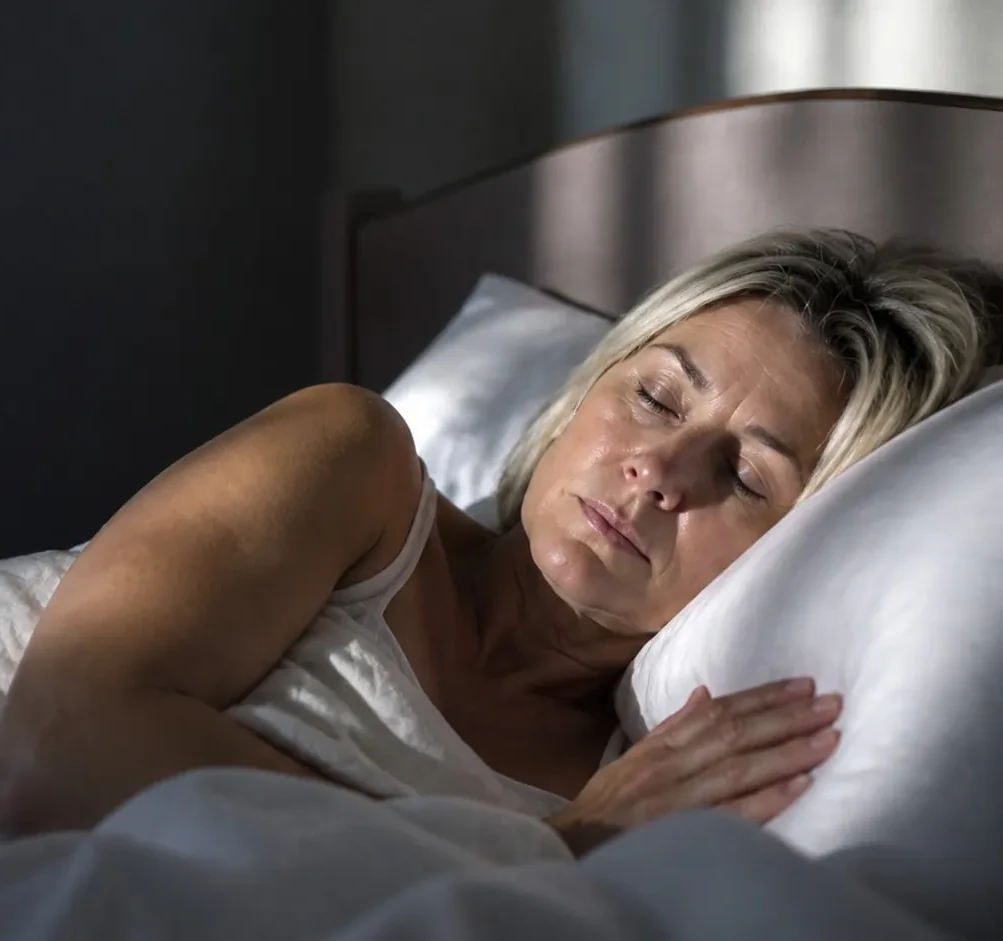
If you have eczema, you probably know the routine: your skin feels okay during the day, then the itch ramps up the minute you get into bed. You scratch, you wake up, you scratch some more, and by morning your skin looks worse and you feel exhausted. Winter can make it even harder, since cold air outside and dry indoor heat pull moisture from your skin.
The good news is that a few changes to your evening routine and your bedroom can calm that nighttime itch. Here’s how to sleep with eczema, based on advice from dermatologists and eczema experts.
Quick Summary
- Itch is the main sleep thief. The National Institute of Arthritis and Musculoskeletal and Skin Diseases says itching is the most common symptom of atopic dermatitis (often called eczema), and it can be severe.
- Soak, then seal. A short lukewarm bath or shower followed right away by a thick, fragrance-free moisturizer is one of the best things you can do before bed.
- Keep the bedroom cool and humid enough. Heat and dry winter air can both make itching worse.
- Protect your skin from sleep scratching. Short nails, cotton gloves, and soft cotton bedding help.
- Talk to a dermatologist if itch keeps waking you up. Getting flares under control is the most reliable way to sleep better.
Why Eczema Itches More at Night
Eczema, also called atopic dermatitis, is a long-lasting condition that causes inflamed, red, dry, and very itchy skin. According to NIAMS, scratching leads to more redness, swelling, cracking, oozing, and scaling, and the condition tends to come and go in flares.
Many people find the itch feels worse at night. A dermatologist interviewed by Cleveland Clinic notes that eczema itching tends to be more noticeable in the evening and overnight, and that people often scratch in their sleep without realizing it. There are a few likely reasons. During the day, work and errands distract you from the itch. At night, it’s quiet, you’re lying still, and warm bedding can heat up your skin.
That scratching sets off what doctors call the itch-scratch cycle: scratching damages the skin barrier, which makes skin itchier, which leads to more scratching. Breaking that cycle at bedtime is the goal.
How Eczema Affects Sleep
Itchy eczema can cause real sleep loss. The American Academy of Dermatology explains that when eczema itches, it can keep a child awake or wake them from a sound sleep, and that sleep loss tends to happen during flares. Adults deal with the same problem. Waking up again and again leaves you tired, irritable, and less able to cope with stress, and stress is a common eczema trigger. If you’re stuck in that loop, our guide on how to sleep with anxiety may help too.
10 Tips to Sleep Better With Eczema
1. Take a short, lukewarm bath or shower before bed
An evening bath or shower rinses off sweat, allergens, and irritants from the day. Keep it short and lukewarm, not hot. As Cleveland Clinic’s dermatologist puts it, hot water dries out your skin faster. Pat your skin dry gently instead of rubbing. If you’re debating water temperature, our guide on cold vs. warm showers before bed covers how each one affects sleep.

2. Moisturize right away (“soak and seal”)
Apply a thick, fragrance-free moisturizer within a few minutes of getting out of the water, while your skin is still slightly damp. The National Eczema Association describes this as the “soak and seal” method: bathe, apply any prescribed topical medicine to affected areas, then moisturize the rest of your body. Even on nights you skip the bath, moisturizing before bed helps protect your skin while you sleep.
3. Use your treatment as prescribed
If your doctor has prescribed a cream or ointment, bedtime is often a good time to use it, since it can stay on your skin for hours. Follow the directions you were given. Don’t stop or switch treatments on your own.
4. Keep your bedroom cool
Heat is a common itch trigger. Cleveland Clinic recommends keeping your bedroom cool, and the National Eczema Association notes that cooling the skin can lower the intensity of the itch. Most sleep experts suggest a bedroom temperature around 65 to 68°F; see our guide to the best temperature for sleep. Use lighter layers you can push off, instead of one heavy, hot comforter, and see our tips on how to stop overheating at night if you tend to wake up sweaty.

5. Add moisture to dry winter air
Indoor heating dries out the air, and dry air pulls moisture from your skin. The National Eczema Association says a humidifier may help during winter by adding moisture to the air and keeping skin from drying out. Keep it clean and follow the manufacturer’s directions. Our guide to sleeping with a humidifier explains the best humidity level and how to use one safely.
6. Choose soft, breathable cotton bedding and pajamas
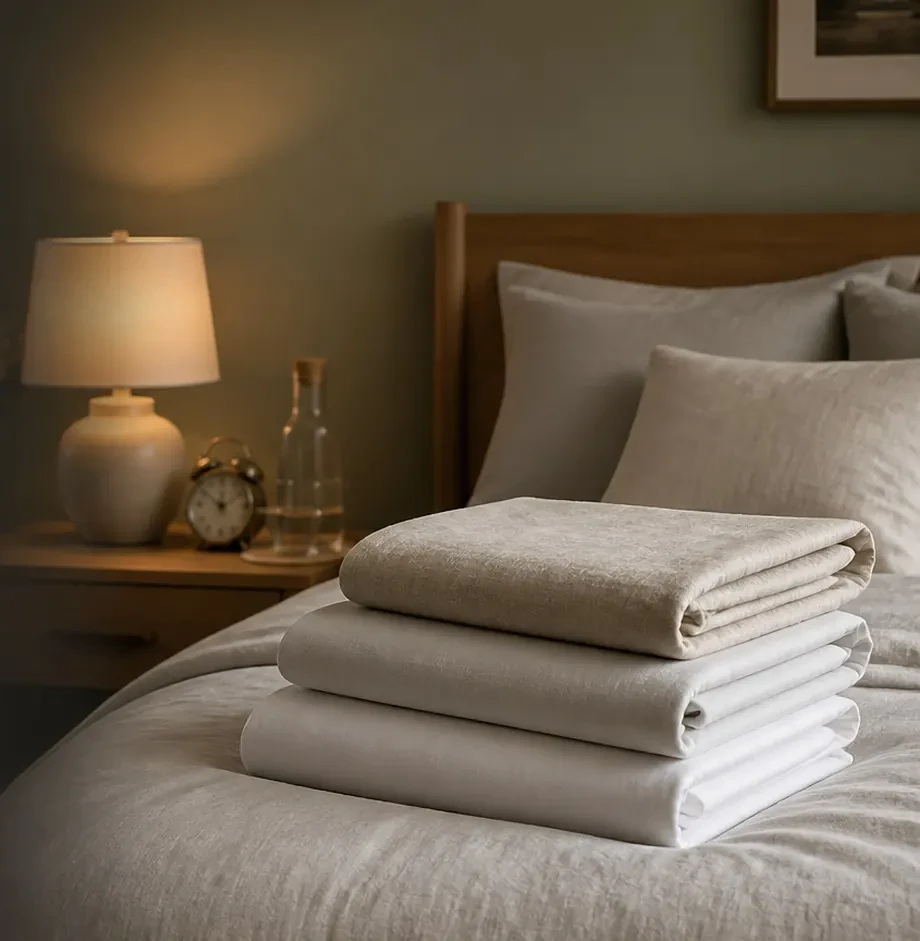
What touches your skin all night matters. Cleveland Clinic suggests soft 100% cotton bedding and avoiding synthetic fabrics or wool, which can be harsh on the skin. Loose cotton pajamas that cover itchy areas can also act as a barrier against scratching. For more on fabrics, see our guide to the best sheets and bedding for sleep.
7. Wash bedding with fragrance-free detergent
Wash sheets, pillowcases, and pajamas with a fragrance-free, dye-free laundry detergent. Fresh bedding also cuts down on dust and sweat buildup. Our guide on how often you should wash your sheets has a simple schedule.
8. Protect your skin from sleep scratching
You can’t stop scratching in your sleep by willpower, so make it less damaging. Keep your nails trimmed short and smooth, and consider wearing soft cotton gloves to bed. Both Cleveland Clinic and the National Eczema Association recommend these steps. When you feel the urge to scratch while awake, the National Eczema Association suggests pinching or patting the skin instead.
9. Try a cool compress or wet wraps during flares
For a bad flare, a cool compress can calm the itch before bed. The National Eczema Association also describes wet wrap therapy: you put a slightly damp cotton layer over moisturized skin, cover it with a dry layer, and wear it for a couple of hours or overnight. It’s best to learn how to do wet wraps from your doctor first, especially for children.
10. Build a calm, steady bedtime routine
Good sleep habits help everyone, and they matter even more when your sleep is already being interrupted. Go to bed and wake up at about the same time, keep screens out of the last part of the evening, and limit alcohol and late caffeine. A predictable routine also makes it easier to fit in your bath and moisturizing step every night. For kids with eczema, our bedtime routine for kids is a good place to start.
What About Antihistamines and Melatonin?
You may hear about taking an antihistamine for eczema itch at night. The American Academy of Dermatology says a child’s dermatologist may recommend a sedating antihistamine to help the child sleep. But that’s a decision for your doctor, not something to start on your own, especially for kids.
Melatonin has also been studied. In a small randomized trial in JAMA Pediatrics, children and teens with atopic dermatitis who took 3 mg of melatonin fell asleep about 21 minutes faster than when they took a placebo, and their eczema severity scores improved. It’s an interesting result, but the study was small, and the National Eczema Association advises using sleep aids under a doctor’s guidance. Learn more in our guide to melatonin for sleep.
When to See a Dermatologist
The most effective way to sleep better with eczema is to get the eczema itself under control. See a dermatologist or your healthcare provider if:
- Itching wakes you up most nights or keeps you from falling asleep
- Your skin is cracked, oozing, crusting, or looks infected
- Over-the-counter moisturizers and home care aren’t helping
- You or your child feel exhausted, moody, or have trouble concentrating during the day
Tell your doctor about your sleep problems. The AAD notes that a dermatologist can build a treatment plan that addresses sleep loss, not just the rash.
The Bottom Line
Eczema often itches most at night, and that itch-scratch cycle can wreck your sleep. Take a short lukewarm bath, moisturize right away, keep your bedroom cool with enough humidity, and sleep in soft cotton with short nails or cotton gloves. If itching still wakes you up, see a dermatologist. Better control of your eczema is the surest path to better sleep.
FAQ: How to Sleep With Eczema
Why does eczema itch more at night?
Fewer distractions, lying still, and warm bedding all make itching more noticeable at night. Many people also scratch in their sleep without realizing it, which irritates the skin further.
What should I put on eczema before bed?
A thick, fragrance-free moisturizer applied after a short lukewarm bath or shower, plus any treatment your doctor has prescribed for flare areas.
Does a humidifier help eczema at night?
It can. Indoor heating dries the air in winter, and the National Eczema Association says a humidifier may help keep skin from drying out while you sleep.
Should I sleep with gloves on if I have eczema?
Soft cotton gloves can protect your skin from scratching while you sleep. Keeping your nails short helps too.
What fabric is best for sleeping with eczema?
Soft, breathable cotton is a good choice for both sheets and pajamas. Many people with eczema find wool and synthetic fabrics irritating.
This article is for general information only and isn’t a substitute for medical advice. Eczema treatment should be guided by a dermatologist or healthcare provider. Don’t give antihistamines, melatonin, or other sleep aids to a child without talking to their doctor first.
General guidance, not medical advice. If a sleep problem persists or gets worse, speak to a qualified clinician. Medical disclaimer