Night Sweats: Common Causes and 9 Ways to Sleep Cooler
Waking up drenched in sweat? Learn the common causes of night sweats, 9 ways to sleep cooler tonight, and when night sweats mean it is time to see a doctor.

You wake up at 3 a.m. with your pajamas stuck to your back and your pillowcase damp. You kick off the covers, feel chilled a minute later, and wonder what on earth is going on. Waking up drenched in sweat is unsettling, but it’s also common, and the cause is often something you can work with.
Here’s what counts as true night sweats, the most common reasons they happen, simple ways to sleep cooler and the signs that mean it’s time to call your doctor.
Quick Summary
- Night sweats are heavier than normal sweating. They can soak your sleepwear and sheets even when your bedroom is cool.
- Hormones are a big driver. Menopause, perimenopause, pregnancy and the menstrual cycle are common causes.
- Medicines, alcohol, anxiety and infections can also trigger them. Sometimes no cause is found.
- A cooler setup helps. Light cotton or linen pajamas, layered bedding, a fan and cold water by the bed are easy first steps.
- Get checked if they’re regular or come with other symptoms. Fever, a cough or unexplained weight loss are reasons to see a doctor.
What Are Night Sweats?
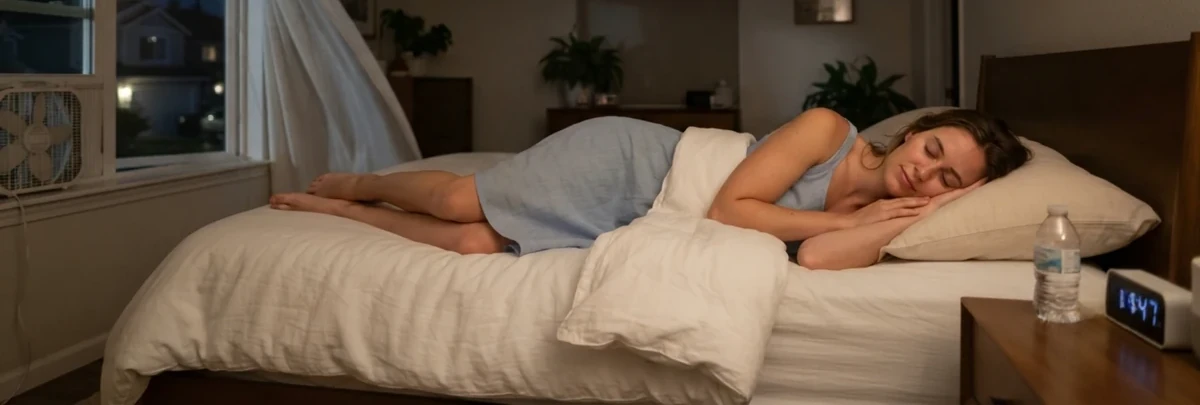
Cleveland Clinic describes night sweats as heavy sweating episodes that happen while you sleep. They’re much more intense than normal sweating and can soak through your clothes and bedding and wake you up. During an episode you may feel a sudden wave of heat, especially in your neck, chest and upper body, along with a faster heartbeat. Once the sweating stops, you may feel cold.
Night sweats vs. just sleeping hot
It’s normal to sweat a little at night if your room or your bedding is too warm. The NHS draws the line this way: night sweats are when you sweat so much that your nightclothes and bedding are soaking wet, even though the place you’re sleeping is cool. Adults and children can both get them.
If you simply run warm under the covers, start with our guide on how to stop overheating at night and the best temperature for sleep.
What Causes Night Sweats?
There isn’t one single cause. Cleveland Clinic and the NHS point to several common triggers.
Menopause and other hormone changes
Night sweats happen more often in women because shifting levels of hormones like estrogen and progesterone affect how the body controls its temperature, Cleveland Clinic explains. They’re common during perimenopause and menopause. The National Institute on Aging notes that when hot flashes happen at night, they’re called night sweats.
Hormone shifts during pregnancy can cause them too, and sweating may continue for a few weeks after a baby is born. Less often, they show up around your period. Our guides to menopause and sleep and how to sleep during pregnancy go deeper on both.
Medicines
Sweating is a side effect of many medicines. Cleveland Clinic lists some blood pressure drugs, antidepressants, certain migraine medicines, pain relievers such as ibuprofen, narcotic pain medicines, breast cancer treatments and steroids. The NHS also names some antidepressants, steroids and painkillers. Don’t stop a prescription on your own. Ask your doctor whether a dose change or a different option makes sense.
Alcohol, anxiety and stress
The NHS lists anxiety and alcohol or drug use among the most common reasons for night sweats, and Cleveland Clinic adds that panic disorders and ongoing stress can trigger sweating in your sleep. If a nightcap is part of your routine, read our breakdown of alcohol and sleep. If worry keeps you wired at night, try these tips on how to sleep with anxiety.
Infections and illness
Bacterial and viral infections, including the flu and COVID-19, can cause night sweats as your body fights the illness, according to Cleveland Clinic.
Blood sugar, thyroid and other conditions
Low blood sugar is one of the common causes on the NHS list, and Cleveland Clinic notes that diabetes and an overactive thyroid can interfere with temperature control. Sleep disorders such as sleep apnea may also lead to night sweats. Less commonly, night sweats can be linked to cancers like leukemia and lymphoma, which is why persistent sweats with other symptoms deserve a checkup. Learn more about sleep and blood sugar and sleep apnea in women.
Hyperhidrosis
Some people simply sweat more than others. The NHS describes hyperhidrosis as a harmless condition that makes you sweat too much all the time. It notes that sometimes the cause of night sweats is never found.
9 Ways to Sleep Cooler When Night Sweats Hit
These tips come from Cleveland Clinic and the National Institute on Aging. They won’t fix a medical cause, but they can make nights more comfortable while you figure out what’s going on.
1. Lower the bedroom temperature
NIA suggests turning down the temperature in your bedroom if hot flashes keep you up. Cleveland Clinic also recommends a fan, open windows or air conditioning.
2. Run a fan
A fan moves air across your skin and helps sweat evaporate. For the pros and cons of leaving it on all night, see sleeping with a fan on.
3. Layer your bedding
Instead of one heavy comforter, use lightweight layers you can pull off in the middle of the night. Both Cleveland Clinic and NIA recommend this approach.
4. Choose breathable pajamas
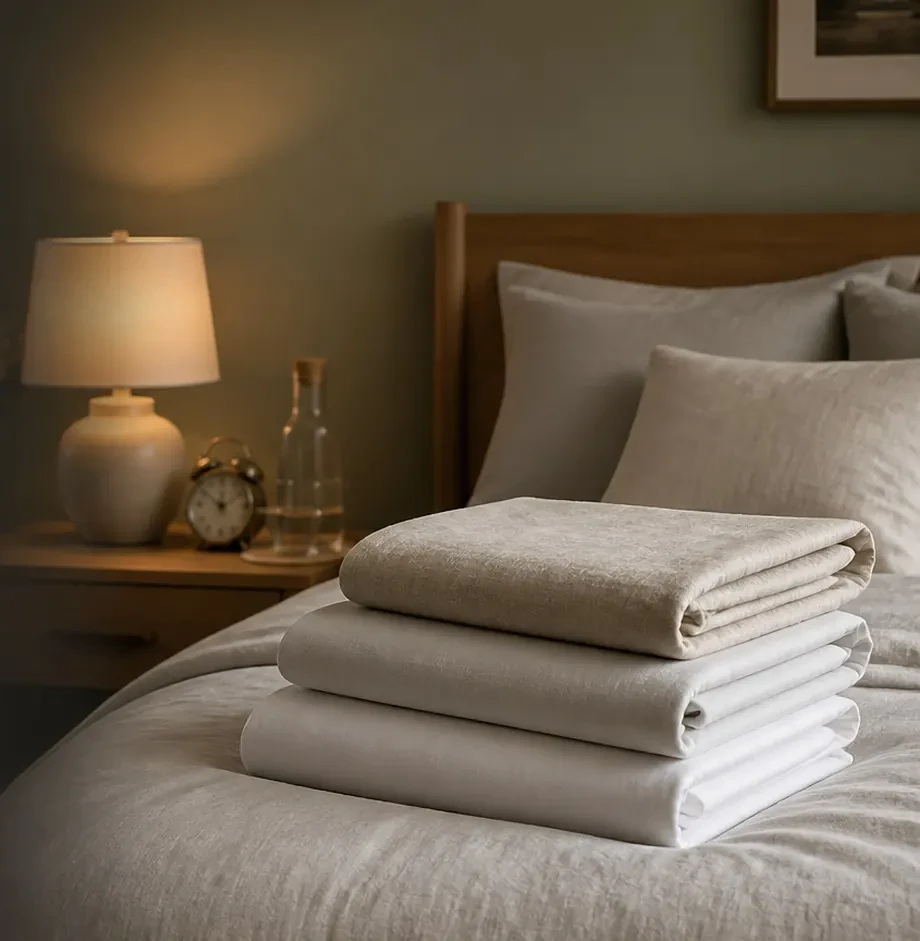
Cleveland Clinic suggests loose, lightweight cotton or linen pajamas. Breathable fabrics matter for your sheets, too. Our guide to the best sheets and bedding for sleep explains what to look for.
5. Keep cold water by the bed
Cleveland Clinic recommends keeping a cup of cold water on your nightstand to sip, and NIA suggests drinking small amounts of cold water before bed.
6. Try cooling pillows or mattress covers
Pillows and mattress covers that contain cooling gels may help, according to Cleveland Clinic.
7. Cut back on alcohol, caffeine and spicy food
NIA advises avoiding alcohol, spicy foods and caffeine if they trigger hot flashes, and Cleveland Clinic says the same about foods and drinks that make you sweat. Here’s how caffeine affects sleep if you’re wondering how late is too late.
8. Keep a change of clothes nearby
A dry T-shirt and a towel on the nightstand let you swap out quickly and get back to sleep without turning on bright lights or digging through drawers.
9. Track your triggers
NIA recommends noting what seems to set off your hot flashes and how much they bother you. A quick note on your phone about what you ate, drank and took before bed can also help your doctor spot patterns.
Night Sweats at a Glance
| What’s happening | What to try |
|---|---|
| Room feels warm and you’re damp, not soaked | Lower the thermostat, use lighter bedding, run a fan |
| Hot flashes around midlife | Layered bedding, cold water, fewer triggers, talk to your doctor about treatment |
| Sweats started with a new medicine | Ask your doctor or pharmacist, don’t stop it yourself |
| Sweats with fever, cough or weight loss | Make an appointment with your doctor |
How Doctors Treat Night Sweats
Treatment depends on the cause. Cleveland Clinic says mild cases may improve on their own or with changes to your sleep environment. If medicine is to blame, a doctor may adjust your dose or switch you to something else. For menopause-related night sweats, hormone therapy may be an option, and there are non-estrogen medicines for people who can’t or don’t want to use hormones. Your doctor can help you weigh the benefits and risks.
When to See a Doctor
The NHS recommends seeing a doctor if you:
- Have night sweats regularly that wake you up or worry you
- Also have a very high temperature, feel hot, cold or shivery, or have a cough or diarrhea
- Have night sweats and are losing weight for no reason
Cleveland Clinic adds that you should schedule a visit any time night sweats disrupt your sleep. If you’re close to 50, menopause is a likely cause, but only a provider can make that call.
The Bottom Line
Night sweats are more than just running warm. They soak your sheets even in a cool room. Hormone changes, medicines, alcohol, anxiety and infections are common causes, and sometimes there’s no clear reason. Cooling your bedroom, layering your bedding and wearing breathable pajamas can make nights easier, but regular night sweats or sweats with other symptoms are worth a conversation with your doctor. If they keep breaking up your sleep, our guide to waking up in the middle of the night can help you drift back off.
FAQ: Night Sweats
Are night sweats normal?
Sweating a little because your room or covers are too warm is normal. Night sweats that soak your nightclothes and bedding in a cool room aren’t usually serious, but the NHS recommends seeing a doctor if they happen regularly or worry you.
Why do I wake up drenched in sweat but not feel sick?
Common causes without other symptoms include hormone changes such as menopause, side effects from medicines, alcohol, anxiety and hyperhidrosis. Sometimes no cause is found.
Can anxiety cause night sweats?
Yes. The NHS lists anxiety as one of the most common reasons for night sweats, and Cleveland Clinic notes that panic disorders and constant stress can trigger them too.
What is the fastest way to cool down after a night sweat?
Kick off a layer, sip cold water, change into dry pajamas and let a fan move air across your skin. A cooler room temperature can help prevent the next one.
This article is for general information only and isn’t medical advice. If you have regular night sweats, or night sweats with a fever, cough, diarrhea or unexplained weight loss, talk with a doctor. Don’t stop or change a prescribed medicine without talking to your health care provider.
General guidance, not medical advice. If a sleep problem persists or gets worse, speak to a qualified clinician. Medical disclaimer