Child Afraid of the Dark? 9 Gentle Ways to Help Them Sleep
Is your child afraid of the dark? Try these 9 expert-backed tips, from a calm bedtime routine and one dim night light to brave practice during the day.
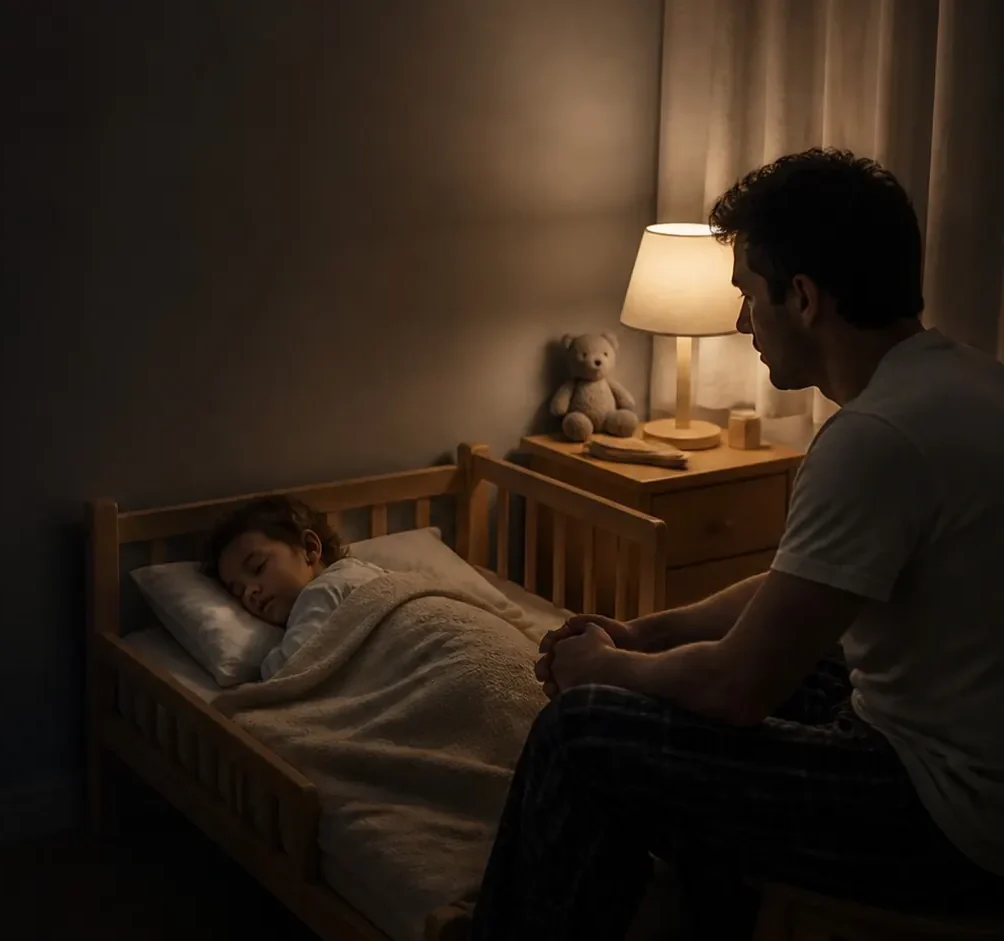
“Can you leave the light on?” “What’s in the closet?” “Can I sleep in your bed?” If bedtime has turned into a nightly negotiation, you’re in good company. Fear of the dark is one of the most common childhood worries, and it often flares up during big changes, like a new house, a new school or the excitement of the holidays.
The goal isn’t to make the fear vanish overnight. It’s to help your child feel safe and confident enough to fall asleep in their own bed. Here’s how to do that, based on advice from pediatric experts.
Quick Summary
- Fear of the dark is a normal part of development. Young kids can’t always tell imagination from reality.
- A calm, predictable bedtime routine helps most. Keep the last hour light and low-key.
- Validate the feeling, not the monster. Show you understand without confirming something scary is there.
- One dim night light is fine. Keep the room dark enough for good sleep.
- Practice bravery during the day. Short, playful time in the dark builds confidence.
Why Kids Get Scared of the Dark
According to Nemours KidsHealth, children around 4 to 6 years old have big imaginations but can’t always tell what’s real and what’s pretend. To them, the monster under the bed can feel very real, and many are afraid of the dark and of bedtime.
Seattle Children’s describes bedtime fears as part of normal development that most children have at some point. Children’s Hospital Colorado adds that the fear can get stronger during stressful times, such as moving or starting a new school, because worries that a child carries all day tend to show up at bedtime.
Signs your child is afraid of the dark
- Stalling at bedtime or asking for “one more” story, drink or hug
- Wanting every light left on, or getting upset when lights go off
- Calling out or coming to your room during the night
- Asking to sleep in your bed
- Talking about monsters, shadows or noises
Fear of the dark is different from night terrors and nightmares. If your child wakes up screaming but doesn’t seem aware of you, read our guide to night terrors. For bad dreams, see what causes nightmares.
9 Ways to Help a Child Who Is Afraid of the Dark
1. Talk about it during the day
Children’s Hospital Colorado suggests avoiding long conversations about fears right before bed. Instead, talk earlier in the day, when everyone is calm, and make a plan together for bedtime. Cleveland Clinic recommends asking open-ended questions to find out exactly what feels scary, since knowing the specific fear helps you respond to it.
2. Validate the feeling without feeding the fear
Let your child know you understand that the dark feels scary, then show confidence that they can handle it. Children’s Hospital Colorado suggests saying something like, “I know the dark feels scary sometimes, but I also know that you can do this.” Cleveland Clinic cautions against playing along with imaginary creatures, such as promising to chase monsters away, because it can suggest there really is something to worry about.
3. Keep a calm, consistent bedtime routine
A predictable routine is one of the most helpful tools. KidsHealth recommends a soothing bedtime routine for young children who are afraid of the dark, like reading or singing together. Cleveland Clinic advises skipping scary shows, videos, music and stories in the 30 to 60 minutes before bed and choosing calming activities like a bath and light-hearted books. Our bedtime routine for kids walks you through a simple sequence.
4. Use one dim night light
A little light can help. KidsHealth suggests turning on a nightlight if your child is afraid of the dark. But don’t overdo it. Children’s Hospital Colorado notes that kids need a dark environment for good sleep and recommends sticking with one dim night light rather than several lights or the overhead light all night. For more on how light affects sleep, read sleeping with the lights on.
5. Offer a comfort object
A favorite stuffed animal or blanket can give your child a sense of security in bed, according to Cleveland Clinic. Let your child pick it out and give it a “job,” like keeping them company until morning.
6. Practice being brave in the dark, in small steps
Children’s Hospital Colorado suggests short “exposure” practice during the day, such as being in a dark space together for just 30 seconds, then praising your child’s bravery. KidsHealth recommends helping kids face fears gradually, starting with the easiest step. You can make it a game: a flashlight hunt for toys in a dim room, or reading a book in a blanket fort.
7. Teach simple calming skills
The American Academy of Pediatrics’ HealthyChildren.org suggests practicing deep breathing and muscle relaxation, positive self-talk like “I can do this,” and imagining a safe place. Practice when your child is calm so the skills are ready at bedtime.
8. Keep reassurance brief and in their room
If your child calls out or comes to your room, Cleveland Clinic suggests giving calm reassurance in their room, then leaving, rather than bringing them into your bed. Children’s Hospital Colorado notes that regular co-sleeping in response to fear can make it harder for kids to fall asleep on their own over time. KidsHealth also advises not lying with your child until they fall asleep.
9. Praise brave nights
HealthyChildren.org recommends praising and rewarding brave behavior, with the goal of coping rather than avoiding. A sticker chart for staying in bed, or simply telling your child at breakfast how proud you are, can go a long way.
Holiday Tip: Protect the Routine
Travel, late parties and sleeping in a new place can stir up nighttime fears. Bring your child’s comfort object and night light when you travel, and keep the bedtime routine as close to normal as you can. Our guide on keeping kids on a sleep schedule during the holidays has more ideas, and how to fall asleep on Christmas Eve can help with the big night itself.
When to Talk to Your Pediatrician
Most kids grow out of fear of the dark with gentle support. KidsHealth recommends talking to your doctor or a mental health provider if your child’s fears:
- Seem extreme or last past the age when you’d expect them to fade
- Cause a lot of distress or tantrums
- Keep your child from sleeping alone, going to school or being apart from you
- Come with physical symptoms like stomachaches, headaches or a racing heart
Children’s Hospital Colorado also suggests reaching out if the fear leads to ongoing sleep loss or extreme anxiety around bedtime. Your pediatrician can suggest strategies or a referral to a therapist who works with kids.
The Bottom Line
A child afraid of the dark needs comfort and confidence, not monster spray. Talk about the fear during the day, keep a calm and predictable bedtime routine, use one dim night light and a comfort object, and practice being brave in small steps. Keep nighttime reassurance short and in their own room, and praise every brave night. Make sure your child is getting enough rest for their age with our sleep by age chart.
FAQ: Child Afraid of the Dark
At what age are kids most afraid of the dark?
Fear of the dark is especially common in young children. KidsHealth notes that kids around 4 to 6 years old often fear imaginary things like monsters and are commonly afraid of the dark and bedtime.
Should I let my child sleep with the light on?
One dim night light is fine and can help a scared child feel safe. Children’s Hospital Colorado recommends avoiding multiple lights or bright lights all night, since kids need a dark room for good sleep.
Is it OK to let my scared child sleep in my bed?
An occasional night is understandable, but experts at Children’s Hospital Colorado and Cleveland Clinic suggest comforting your child in their own room. Regular co-sleeping in response to fear can make it harder for them to sleep on their own.
How long does fear of the dark last?
For most kids it’s a phase that fades with time and support. If it lasts a long time, gets worse or affects daily life, talk to your pediatrician.
This article is for general information only and isn’t medical advice. If your child’s fears are severe, last a long time or affect sleep, school or daily life, talk with your pediatrician or a children’s mental health provider.
General guidance, not medical advice. If a sleep problem persists or gets worse, speak to a qualified clinician. Medical disclaimer