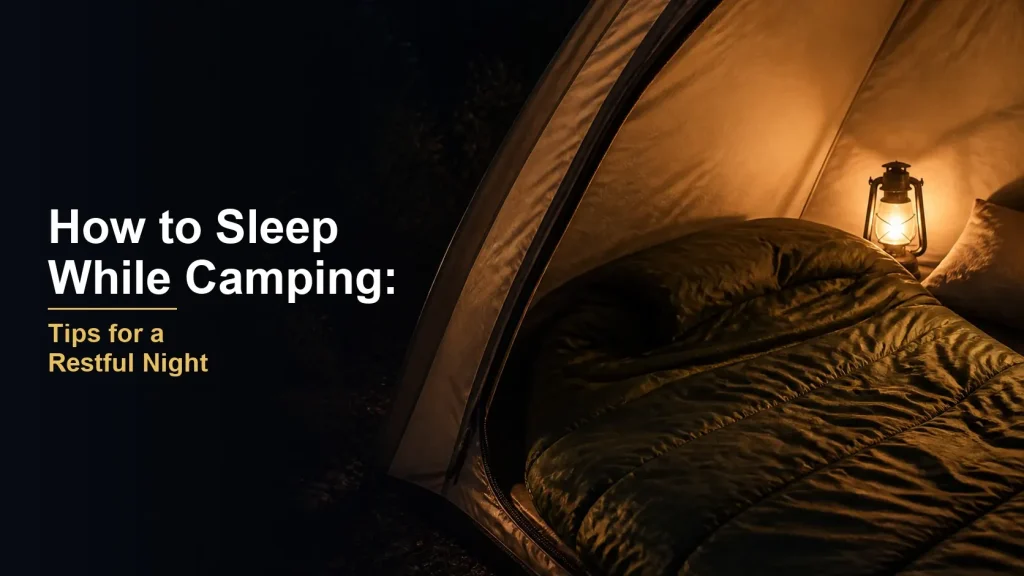
Camping promises fresh air, starry skies, and deep relaxation — but a cold, lumpy, sleepless night in a tent can quickly ruin the magic. The difference between miserable and blissful camping sleep usually comes down to a few key things, especially insulation and warmth. Here’s how to actually sleep well while camping.
The Cold Ground Is Your Biggest Enemy
Here’s the number-one camping sleep lesson: the ground steals your body heat. No matter how warm your sleeping bag is, if you’re lying directly on cold earth, you’ll be cold all night. The fix is a good sleeping pad underneath you — its job is insulation as much as cushioning. Pads have an R-value (a measure of insulation); a higher R-value means more warmth, so match it to the conditions. A quality foam or inflatable pad (or two layered in cold weather) is the single most important upgrade for camping sleep. For a wider look at the underlying science, see published guidance.
Stay Warm the Smart Way
Choose the right sleeping bag. Match your bag’s temperature rating to the coldest temperature you expect, with a little margin. A bag rated warmer than the forecast keeps you cozy.
Layer up and wear dry clothes. Sleep in clean, dry base layers — never the sweaty clothes you hiked in, as damp fabric chills you. Add a warm hat (you lose real heat through your head) and dry socks.
Try a hot water bottle. Fill a bottle with warm water and tuck it into your sleeping bag before bed for a lovely heat boost.
But don’t overdo it — if you overheat and sweat, that moisture will make you cold later. Aim for comfortably warm, not hot.
Get Comfortable
Pick and prep your spot. Choose flat, level ground and clear away rocks, roots, and sticks before pitching your tent. Avoid dips where cold air and water collect.
Bring a pillow. A dedicated camping pillow (inflatable or compressible) beats a stuff-sack of clothes, though that works in a pinch.
Block light and noise. Tents get bright at dawn and nature (and neighboring campers) can be noisy, so an eye mask and earplugs are small items that hugely improve your sleep.
Manage Temperature and Moisture
Ventilate your tent a little to reduce the condensation that builds up from your breath overnight (a damp tent feels colder). In warm weather, use the mesh panels for airflow. The goal is to stay warm and dry, avoiding both the chill of a soaked tent and the sweat of overheating.
Keep a Wind-Down Routine
Even in the wild, your sleep habits matter. Wind down before bed rather than staring at a bright phone; use a headlamp on its red-light setting to protect your night vision and sleepiness. Go easy on caffeine and alcohol late in the day, use the bathroom before turning in, and keep essentials (headlamp, water, jacket) within reach inside the tent. It’s also normal to sleep lightly the first night in a new place, so don’t worry if night one is a little rough.
The Bottom Line
To sleep well while camping, start from the ground up: a good insulating sleeping pad is the key to staying warm, paired with a properly temperature-rated sleeping bag, dry sleep clothes, and a hat. Choose flat, cleared ground, bring a real pillow, block dawn light and noise with an eye mask and earplugs, and ventilate to stay dry. Get these right, and you’ll wake up refreshed and ready to enjoy the great outdoors.
Frequently Asked Questions
How do I sleep well while camping?
The keys are insulation and warmth: use a good sleeping pad (it stops the cold ground stealing your heat), a properly temperature-rated sleeping bag, and dry sleep clothes plus a hat. Choose flat, cleared ground, bring a pillow, and block dawn light and noise with an eye mask and earplugs.
Why am I so cold when camping even in a sleeping bag?
Usually because you’re losing heat to the cold ground beneath you. A sleeping bag alone isn’t enough — you need an insulating sleeping pad underneath with an appropriate R-value. Damp clothes, an under-rated bag, and going to bed cold also contribute.
What is the most important thing for sleeping while camping?
A good insulating sleeping pad. The ground draws body heat away all night, so the pad’s insulation (its R-value) is often more important than the sleeping bag for staying warm. It also cushions you from hard, uneven ground.
How do I stay warm in a tent at night?
Use a well-insulated sleeping pad and a sleeping bag rated for the cold, wear clean dry base layers and a warm hat, and try a hot water bottle in your bag. Don’t overdress to the point of sweating, and ventilate the tent to avoid dampness that makes you cold.
How can I block out light and noise when camping?
Bring an eye mask for the bright dawn light that fills tents, and earplugs for nature sounds and other campers. Choosing a campsite away from busy areas and using a headlamp’s red-light setting in the evening also help you wind down and sleep.

Sophia Bennett specializes in wellness and lifestyle content with a focus on sleep-related topics, stress management, and healthy routines. She creates easy-to-understand articles designed to help readers make more informed sleep and wellness decisions. Sophia covers the wellness side of sleep, stress, mental wellbeing, and the lifestyle changes that make rest more restorative.
All guides by Sophia BennettGeneral guidance, not medical advice. If a sleep problem persists or gets worse, speak to a qualified clinician. Medical disclaimer