How to Fall Asleep on Christmas Eve: Tips for Kids and Grown-Ups
How to fall asleep on Christmas Eve: cut caffeine early, finish wrapping before bed, try a calming wind-down routine, and help excited kids settle down.
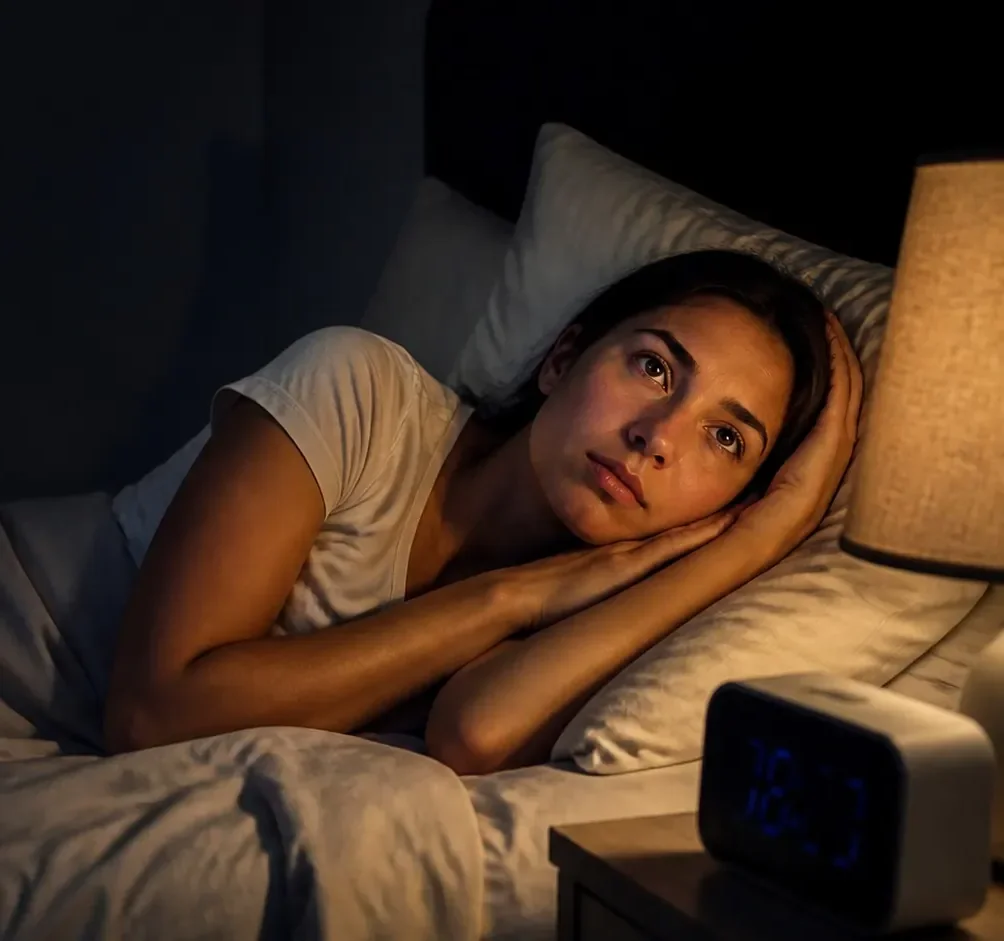
The cookies are out, the stockings are hung, and the house finally goes quiet. Then you lie down and your brain refuses to switch off. Kids are wired about Santa, grown-ups are running through tomorrow’s to-do list, and maybe you’re on an air mattress at your in-laws’ place. Christmas Eve is one of the hardest nights of the year to fall asleep.
The good news is that a few simple moves, starting earlier in the day, make it much easier. Below are practical tips for adults and kids, a simple wind-down routine, and what to do if you’re still staring at the ceiling at midnight.
Quick Summary
- Start in the afternoon. Cut off caffeine early, keep dinner from running too late, and go easy on the eggnog. The American Academy of Sleep Medicine (AASM) flags heavy late meals, caffeine, and alcohol as holiday sleep disruptors.
- Finish wrapping before bedtime. Give yourself time to wind down instead of taping bows until midnight.
- Use the 20-minute rule. If you can’t fall asleep after about 20 minutes, get up and do something quiet in dim light.
- Keep kids’ routines familiar. Same bath, books, and lights-out steps as any other night, just a little calmer.
Why It’s So Hard to Fall Asleep on Christmas Eve
Christmas Eve stacks up almost everything that makes sleep harder. There’s excitement and anticipation, a later-than-usual dinner, extra sweets and drinks, last-minute wrapping, and often a different bed or a full house. Many people also arrive at December 24 already tired. In a survey from the American Academy of Sleep Medicine, 55% of people said they feel extremely or somewhat tired during the holidays.
Feeling a little wired is normal, and one short night won’t ruin Christmas. The goal isn’t a perfect eight hours. It’s to give your body the best possible shot at drifting off, so you can enjoy the morning. If the whole season tends to wear you out, our holiday sleep tips cover the weeks around it.
Plan the Day for an Easier Night
A good Christmas Eve night really starts in the afternoon.
- Set a caffeine cutoff. In a study published in the Journal of Clinical Sleep Medicine, 400 mg of caffeine (about 2 to 3 cups of coffee) taken even six hours before bed cut total sleep time by more than an hour. Remember that hot cocoa, cola, and some teas have caffeine too. More in our guide to caffeine and sleep.
- Don’t go to bed stuffed. The AASM’s healthy sleep habits advise against a large meal right before bedtime. If dinner runs late, keep dessert light. If heartburn tends to follow a big meal, see how to sleep with heartburn.
- Go easy on alcohol. A nightcap can make you drowsy at first, but alcohol close to bedtime tends to disrupt sleep later in the night. Our alcohol and sleep guide explains why.
- Move your body. A family walk to look at lights, a snowball fight, or a quick workout all count. AASM experts list regular physical activity among their holiday sleep tips.
- Keep your wake-up time steady. Sleeping in late on December 24 makes it harder to feel sleepy that night.
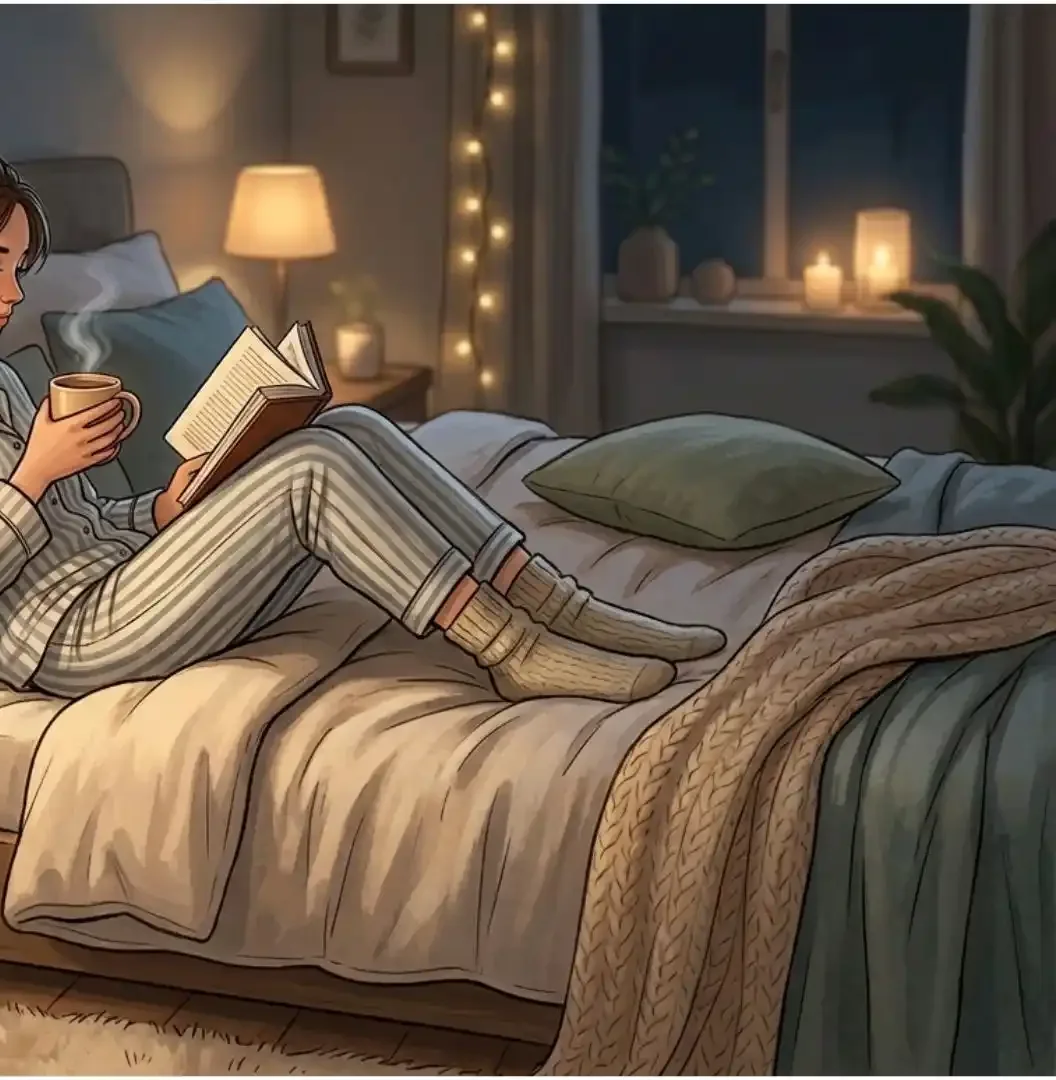
Finish the To-Do List Before Bedtime
Few things keep you up like a pile of unwrapped gifts. The AASM’s holiday sleep advice specifically warns against decorating, celebrating, or wrapping presents right up until bedtime, because you need time to wind down.
- Wrap gifts a day or two early, or right after dinner on Christmas Eve.
- Lay out tomorrow’s breakfast, batteries, and outfits before your wind-down starts.
- Write down anything still on your mind. A quick list on paper is a simple way to park worries for the night. Our guide to journaling before bed has easy prompts.
A Simple Christmas Eve Wind-Down Routine
Try to start winding down about an hour before you want to be asleep. Here’s an easy routine that fits a busy night:
- 60 minutes before bed: Wrap up the last chore and dim the lights around the house.
- 45 minutes before: Take a warm shower or bath. Our guide to cold vs. warm showers before bed explains the timing.
- 30 minutes before: Put phones and tablets away. The AASM recommends turning off electronic devices at least 30 minutes before bedtime.
- 20 minutes before: Read a few pages of a paper book, stretch gently, or listen to quiet music.
- Lights out: Keep the bedroom dark, quiet, and comfortably cool.
If a cozy, low-key evening is your thing, our cozy night routine has more ideas.
How to Fall Asleep When You’re Too Excited
You’re in bed and your mind is racing. Try one of these calming techniques:
- Box breathing. Breathe in for four counts, hold for four, breathe out for four, and hold for four. Repeat for a few minutes. Here’s our full guide to box breathing for sleep.
- Progressive muscle relaxation. Tense and release each muscle group, starting at your toes. See progressive muscle relaxation for sleep.
- The military method. Relax your face, drop your shoulders, and picture a calm scene. Learn the steps in the military sleep method.
- Turn the clock around. Checking the time over and over only adds pressure.
If you still can’t sleep after about 20 minutes, don’t fight it. The AASM recommends getting out of bed and doing a quiet activity without a lot of light, and especially without electronics, until you feel sleepy again. For more ideas, see what to do when you can’t sleep at night.
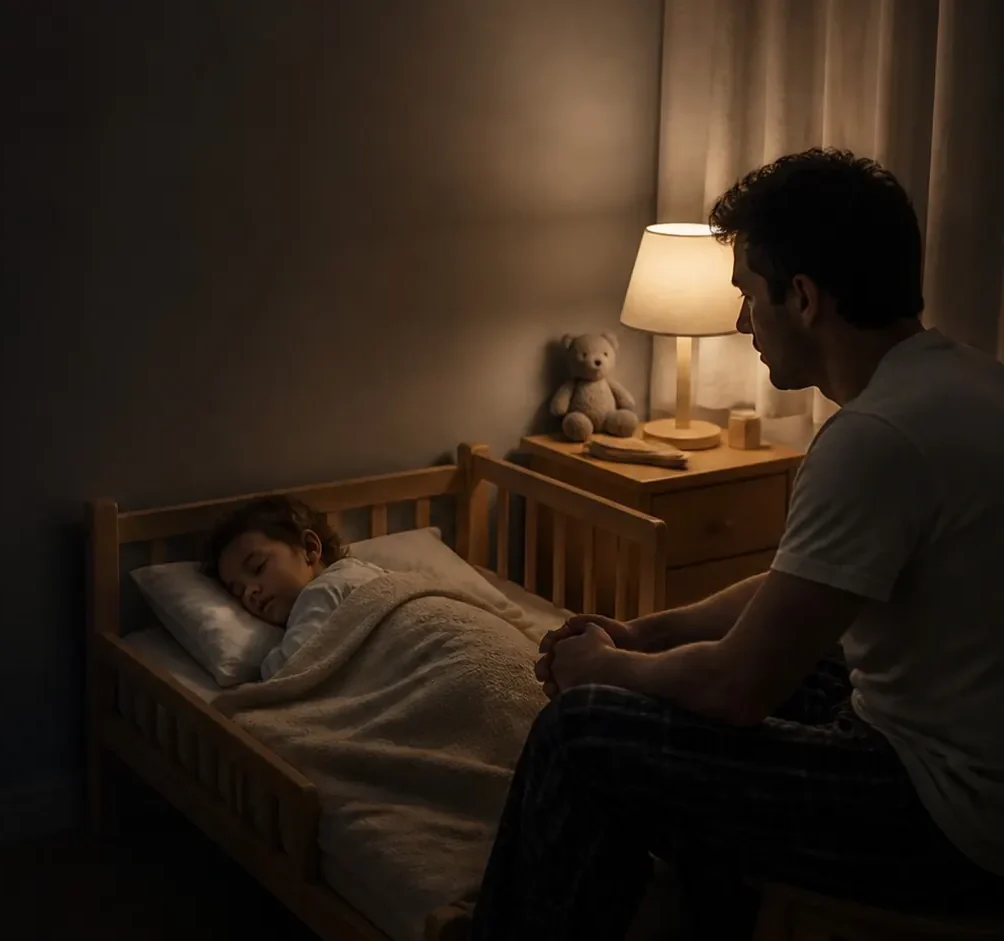
How to Help Kids Fall Asleep on Christmas Eve
Kids may be the most excited people in the house. A few things help:
- Keep the routine familiar. Bath, pajamas, teeth, books, and lights out, in the same order as any other night. Our bedtime routine for kids shows how to build one.
- Plan an active day. Outdoor play earlier in the day helps burn off energy. Save the calm stuff, like a holiday story, for the evening.
- Don’t push bedtime too late. Kids still need their usual sleep. The AASM recommends 10 to 13 hours (including naps) for ages 3 to 5 and 9 to 12 hours for ages 6 to 12.
- Set a clear “not before” time for the morning. Tell kids when they’re allowed to wake you up. That can calm the “is it morning yet?” worry.
- Talk to a pediatric professional before using melatonin. The AASM’s health advisory on melatonin in children says parents should check with a pediatric health care professional first, since many sleep problems are better managed with changes in schedules and habits.
For the rest of winter break, see how to keep kids on a sleep schedule during the holidays.
Sleeping Away From Home or Hosting a Full House
Holiday travel often means a pullout couch, a guest room, or a sleeping bag on the floor. A few tricks make it easier:
- Bring your own pillow, an eye mask, and earplugs.
- Pack a small piece of your routine, like a favorite book or the same pajamas.
- Ask for the quietest room if you have a choice, or use a fan or white noise app to cover house noise.
If you’re the one on the inflatable bed, read our tips on how to sleep on an air mattress. The first night in an unfamiliar bed is often lighter sleep, which we explain in how to sleep in a new place.
What If You Barely Sleep?
It happens. If Christmas Eve turns into a short night:
- Get some bright light soon after you wake up, ideally outdoors or by a sunny window.
- A short nap later in the day can help. Our guide to how long a nap should be explains why 10 to 20 minutes is usually the sweet spot.
- Be careful on the road. If you’re driving to see family on Christmas Day and feel drowsy, let someone else drive or take a break. See our guide to drowsy driving.
- Go back to your normal bedtime that night instead of going to bed very early or very late.

The Bottom Line
To fall asleep on Christmas Eve, set yourself up early: cut off caffeine in the afternoon, keep dinner and drinks moderate, finish the wrapping before your wind-down, and give yourself an hour of calm, low-light time before bed. If you can’t sleep after about 20 minutes, get up and do something quiet until you’re drowsy. Keep kids’ routines familiar, and don’t stress over one short night. Christmas morning will still be magic.
FAQ: How to Fall Asleep on Christmas Eve
How can I fall asleep fast on Christmas Eve?
Dim the lights, put your phone away, and try a calming technique like box breathing or progressive muscle relaxation. If you’re still awake after about 20 minutes, get out of bed and do something quiet until you feel sleepy.
Why can’t I sleep on Christmas Eve?
Excitement, a later dinner, extra sweets, caffeine or alcohol, and last-minute chores can all keep your mind and body revved up. Sleeping in a different bed can also make sleep lighter.
How do I get my kids to sleep on Christmas Eve?
Keep their usual bedtime routine, plan active play earlier in the day, and save quiet activities for the evening. Setting a clear time they can wake you up in the morning can help them relax.
What time should kids go to bed on Christmas Eve?
Close to their normal bedtime. Kids ages 6 to 12 need 9 to 12 hours of sleep, and ages 3 to 5 need 10 to 13 hours including naps, according to the AASM, so work backward from when they’ll likely wake up.
Is it OK to have a drink to help me sleep on Christmas Eve?
A drink may make you feel drowsy, but alcohol close to bedtime can disrupt sleep later in the night. If you drink, stop a few hours before bed and alternate with water.
This article is for general information only and isn’t a substitute for medical advice. If you have trouble sleeping most nights, or your child has ongoing sleep problems, talk with a healthcare provider.
General guidance, not medical advice. If a sleep problem persists or gets worse, speak to a qualified clinician. Medical disclaimer