Light Therapy for Sleep: How to Use a Light Box to Reset Your Body Clock
Light therapy for sleep can help reset your body clock in winter. Learn when to use a 10,000-lux light box, for how long, who it helps, and safety tips.
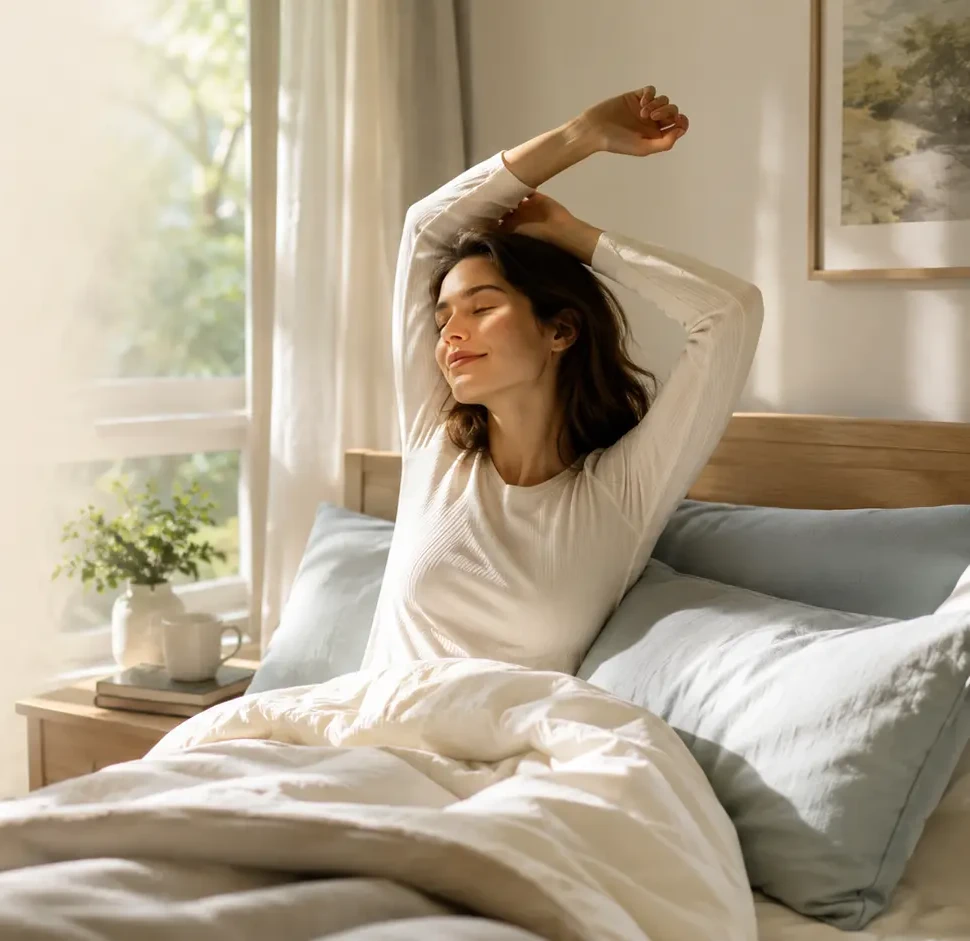
Late November is when a lot of people notice it: the sun is barely up when the alarm goes off, it’s dark by the time you leave work, and your sleep starts to drift. You feel groggy in the morning, wired at night, or tired all day no matter how much you sleep.
Light therapy is one of the simplest tools for that problem. Sitting in front of a bright light box at the right time of day can help nudge your body clock back on track. Here’s how light therapy for sleep works, who it can help, and how to build it into your morning routine safely.
Quick Summary
- Light sets your body clock. The Sleep Foundation explains that light therapy uses bright artificial light to help regulate your circadian rhythm, which controls when you feel sleepy and alert.
- Timing is everything. Morning light can help shift your sleep earlier. Evening light can help if your body clock runs too early.
- The usual setup: a 10,000-lux light box, about 20 to 30 minutes, within the first hour after waking, according to Mayo Clinic.
- The evidence is encouraging but modest. A large review found light therapy helps sleep problems, especially body clock issues and insomnia, but most effects were small to medium.
- Check with a doctor first if you have bipolar disorder, eye disease, or take medicines that make you sensitive to light.
How Light Affects Your Sleep
Your body runs on a roughly 24-hour internal clock called your circadian rhythm. Light is the strongest signal that keeps that clock in sync with the day. Bright light in the morning tells your brain it’s time to be alert. As evening falls and light fades, your brain releases more melatonin, the hormone that helps you feel sleepy. If you want the full picture, our guide to your circadian rhythm breaks it down.
In winter, many of us get far less bright light than our body clocks need. We wake up in the dark, spend the day indoors under dim lighting, and then stare at screens at night. Ordinary indoor light is much dimmer than daylight. The National Institute of Mental Health notes that a therapeutic light box is about 20 times brighter than ordinary indoor light. That gap is why your clock can start to drift in the darker months, and it’s part of why you may sleep more in winter.
What Light Therapy Can Help With
Body clock problems
Many people’s internal clocks run late. They can’t fall asleep until well after midnight and struggle to wake up in the morning. The Sleep Foundation calls this being “phase-delayed.” Because light is such a strong cue, morning light therapy can help shift that clock earlier. It’s often used alongside a consistent wake time, like the plan in our guide to resetting your sleep schedule in one week.
The opposite problem exists too. Some people get sleepy very early in the evening and wake up too early. For them, the Sleep Foundation says afternoon or evening light may be more useful.
Insomnia
The Sleep Foundation lists insomnia among the sleep problems light therapy may help. In a 2016 systematic review and meta-analysis of 53 studies with 1,154 participants, researchers found light therapy was effective for sleep problems in general, including circadian rhythm sleep disorders and insomnia symptoms. They also noted that most of the effects were small to medium, so it’s a helpful tool, not a cure-all. For other approaches, see our guide to insomnia causes and what helps.
Winter tiredness and seasonal affective disorder
Seasonal affective disorder (SAD) is a type of depression that comes and goes with the seasons, usually starting in late fall or early winter. According to the NIMH, winter-pattern SAD can include oversleeping, overeating, and pulling away from people. The NIMH says light therapy has been a mainstay of treatment for winter-pattern SAD since the 1980s. If you think you might have SAD or depression, talk to a healthcare provider rather than treating it on your own. Our guide to sleep and depression explains how the two are linked.
Shift work and jet lag
The Sleep Foundation also lists jet lag and sleep problems related to shift work as areas where light therapy may help, since both involve a body clock that’s out of step with your schedule. See our guides on sleeping as a shift worker and beating jet lag.
How to Use a Light Box for Sleep
Pick the right light box
Mayo Clinic says a light box for SAD should generally provide 10,000 lux of light and produce as little UV light as possible. Look for one that’s designed for mood or circadian use. Mayo Clinic warns that some light therapy lamps are made for skin conditions instead. These mainly give off UV light and could damage your eyes if used incorrectly.
Light boxes aren’t regulated by the FDA for SAD treatment, and you can buy one without a prescription. It’s still a good idea to talk with your healthcare provider before you start.
Use it in the morning (for most people)
Mayo Clinic’s typical recommendations are to use the light box:
- Within the first hour of waking up
- For about 20 to 30 minutes
- About 16 to 24 inches from your face (follow the manufacturer’s instructions)
- With your eyes open, but without looking straight into the light
The NIMH describes a similar routine for SAD: about 30 to 45 minutes in front of a 10,000-lux box each day, usually first thing in the morning, from fall to spring. Brighter boxes generally need less time than dimmer ones.

Make it part of your morning routine
Light therapy only works if you do it consistently, so pair it with something you already do every day. Set the light box on the kitchen table or your desk and use it while you eat breakfast, check email, or read. Keep your wake-up time steady, even on weekends, so your body clock gets the same signal every morning. Our tips on how to stop hitting snooze and how to become a morning person can help you stick with it.
Dim the lights at night
Morning light works best when your evenings are darker. Lower the lights in the last hour or two before bed and cut back on bright screens. Our guide to blue light and screen time before bed explains why.
Light Box vs. Sunrise Alarm Clock
A sunrise alarm clock, also called a dawn simulator, slowly brightens your bedroom before your alarm goes off. It can make waking up in the dark feel gentler, but it isn’t the same as a light box. Most sunrise clocks are designed to wake you up gently, not to deliver a full therapeutic dose of bright light for 20 to 30 minutes. Some people use both: a sunrise clock to wake up, then a light box with breakfast. Compare options in our guide to the best sunrise alarm clocks.
Side Effects and Who Should Be Careful
Light therapy is generally considered safe. The Sleep Foundation says side effects can include eye strain, headache, nausea, and skin irritation. These are often mild and may ease if you sit a little farther away or shorten your sessions.
Talk with your doctor before trying light therapy if you:
- Have bipolar disorder. Mayo Clinic warns that increasing exposure too fast or using a light box for too long may trigger manic symptoms.
- Have eye problems such as glaucoma, cataracts, or eye damage from diabetes. Mayo Clinic advises getting advice from an eye specialist first.
- Take medicines that make you more sensitive to light. The NIMH notes that people with certain eye diseases or taking certain medications that increase light sensitivity may need to use light therapy with caution.
Also, avoid using a bright light box late in the evening unless your doctor has told you to. For most people, bright light at night can push your body clock later and make it harder to fall asleep.
The Bottom Line
Light therapy for sleep is a simple, low-cost way to support your body clock during the darkest months of the year. For most people, that means a 10,000-lux light box for about 20 to 30 minutes within an hour of waking, paired with a steady wake time and dim evenings. Research shows it can help body clock problems and insomnia, though the effects are usually modest. If you have bipolar disorder, eye disease, or signs of depression, talk with a healthcare provider before you start.
FAQ: Light Therapy for Sleep
What time of day should I use light therapy for sleep?
For most people, in the morning, within the first hour after waking. Morning light helps shift your sleep earlier. Evening light is mainly for people whose body clock runs too early, and should be guided by a doctor.
How long does it take for light therapy to work?
It varies. Many people need to use it daily for a while before they notice a difference, so consistency matters more than any single session. Ask your healthcare provider what to expect for your situation.
Can light therapy help with insomnia?
It may. A large review found light therapy improved insomnia symptoms and body clock problems, though most effects were small to medium.
Can I use a light box at night?
Most people shouldn’t. Bright light in the evening can push your body clock later and make it harder to fall asleep. Use it in the morning unless a doctor tells you otherwise.
Is a sunrise alarm clock the same as light therapy?
No. A sunrise alarm clock gently brightens your room to wake you up. A light box delivers a much brighter dose of light, usually 10,000 lux, for 20 to 30 minutes while you’re awake.
This article is for general information only and isn’t a substitute for medical advice. If you have symptoms of depression or seasonal affective disorder, bipolar disorder, an eye condition, or take medication that increases light sensitivity, talk with a healthcare provider before starting light therapy.
General guidance, not medical advice. If a sleep problem persists or gets worse, speak to a qualified clinician. Medical disclaimer