How Late-Night Leftover Snacking Affects Your Sleep
Late-night leftover snacking can keep you up with heartburn, restlessness and a too-full stomach. Learn what to eat, what to skip and when to close the kitchen.
The day after a big holiday meal, the fridge looks generous and the evening can feel loose. A plate of leftovers at 9 p.m. seems harmless. Then midnight arrives, and you are too full, too thirsty or too awake to sleep well.
Late-night leftover snacking is a different problem from going to bed stuffed right after dinner. The meal itself may have been hours ago. What keeps you up is a second round of rich food, sugar or leftover wine when your body was finally ready to wind down.
Quick Summary
- A small evening snack can help some people sleep. A heavy second dinner usually does the opposite.
- Greasy, spicy and very sugary leftovers are the usual troublemakers. They sit longer in the stomach and can trigger heartburn when you lie down.
- Give food about two to three hours before bed when you can. If you are truly hungry later, keep the portion small and simple.
- Watch leftover alcohol and late caffeine. Both can fragment the second half of the night.
- If you wake up uncomfortable, sit up, sip water and wait before adding more food.
- Plan a better leftover window earlier in the evening so you are not raiding the fridge in the dark.
Why Late Leftovers Hit Sleep Harder Than Dinner Did
During the holiday meal, you were probably upright, talking and still hours from bed. A late snack happens closer to sleep, often on the couch, and often in a bigger portion than you meant to take. Lying down soon after a rich plate makes reflux more likely and can leave you too warm, too thirsty or too alert.
If you already know how to sleep after a big meal, treat a 10 p.m. leftover plate with the same care. The food may be the same turkey, stuffing or pie. The timing is what changed.
It also helps to set aside the leftover myth that turkey alone knocks you out. Turkey is not a magic sleep food. Any large meal can make you drowsy at the table, but the night can still turn restless if you eat a heavy second helping too late.
Digestion also slows as you get closer to sleep. A rich plate at 10 p.m. is still being worked on when you lie down, which can raise body temperature a little and make it harder to stay comfortable. That is one reason a late snack can feel “heavy” even when the portion did not look huge on the plate.
What to Leave in the Fridge After 8 or 9 p.m.
The leftovers most likely to bother sleep are the ones that are fatty, acidic, spicy or very sweet. Fried sides, rich gravy, tomato-heavy dishes, extra stuffing, chocolate dessert and a second slice of pie all ask your digestive system to keep working when it was ready to slow down.
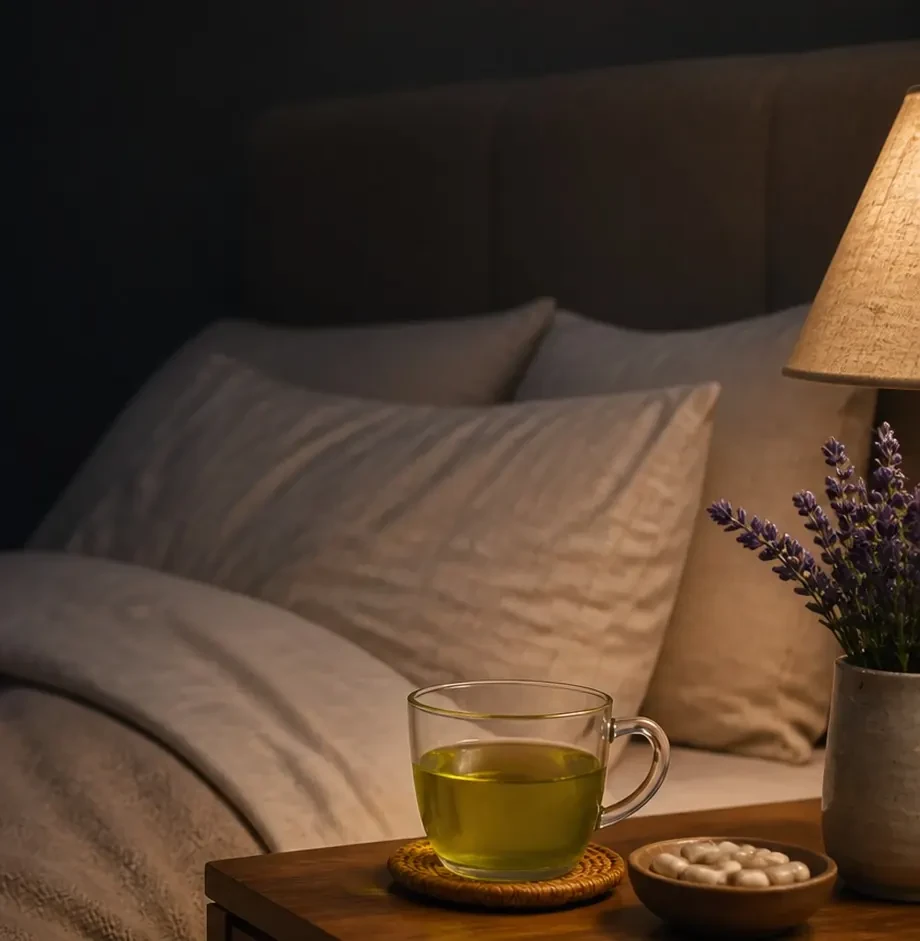
Alcohol from a leftover bottle of wine can also look like it is helping you nod off, then wake you later. The same goes for caffeine and sleep if someone started a fresh pot of coffee to go with dessert. If you want a drink in the evening, water or a caffeine-free herbal tea is the safer bet.
If heartburn is already in the picture, skip the late acidic or greasy plate altogether. Sleeping with heartburn is much harder to fix at midnight than it is to prevent at 9. A slightly elevated upper body and a two-hour gap after eating will do more than an antacid taken as an afterthought, though you should follow your clinician’s advice if reflux is a regular problem.
If You Are Actually Hungry, Keep It Small and Boring
Sometimes you are not being greedy. You ate early, you were busy cleaning, or you only picked at the main meal. In that case, a light snack can keep you from waking up ravenous.
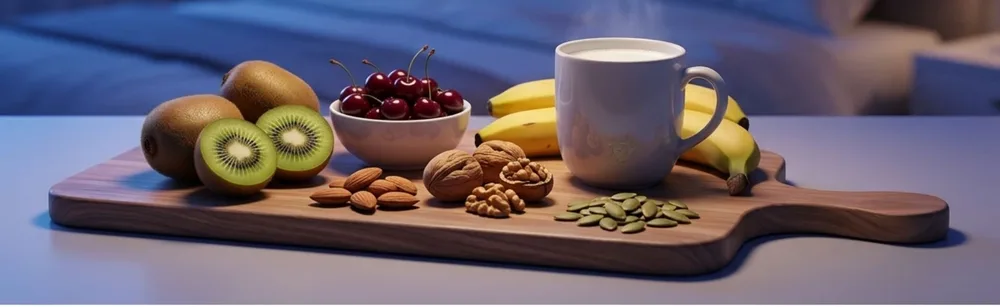
Good late options look like the calmer end of foods that can support sleep: a banana, a small bowl of yogurt, a few crackers, a handful of nuts or a piece of fruit. Stop at a snack-sized plate, eat it at the table, then give yourself a little time before you lie down.
Eat slowly enough to notice when you are comfortable, not stuffed. Holiday leftovers are easy to finish “so they do not go to waste,” even after you have had enough. Leftovers will still be there in the morning, and they almost always taste better as lunch than they do as a midnight second dinner.
Set a Leftover Curfew Before the Fridge Door Opens
The easiest habit is to decide the leftover window while it is still early. After dinner, pack the food, make a small plate for anyone who is actually hungry, and tell yourself the kitchen is closed after a set time, such as two to three hours before bed.
If you tend to wander back during a movie, put leftovers in opaque containers toward the back of the fridge and leave a pitcher of water in front. It sounds small. It works more often than willpower at 10:30 p.m.
It also helps to brush your teeth after the last planned snack. The taste of toothpaste is a surprisingly useful “kitchen is closed” cue, and it makes a later raid on the pie less appealing.
If You Already Ate Too Much, Too Late
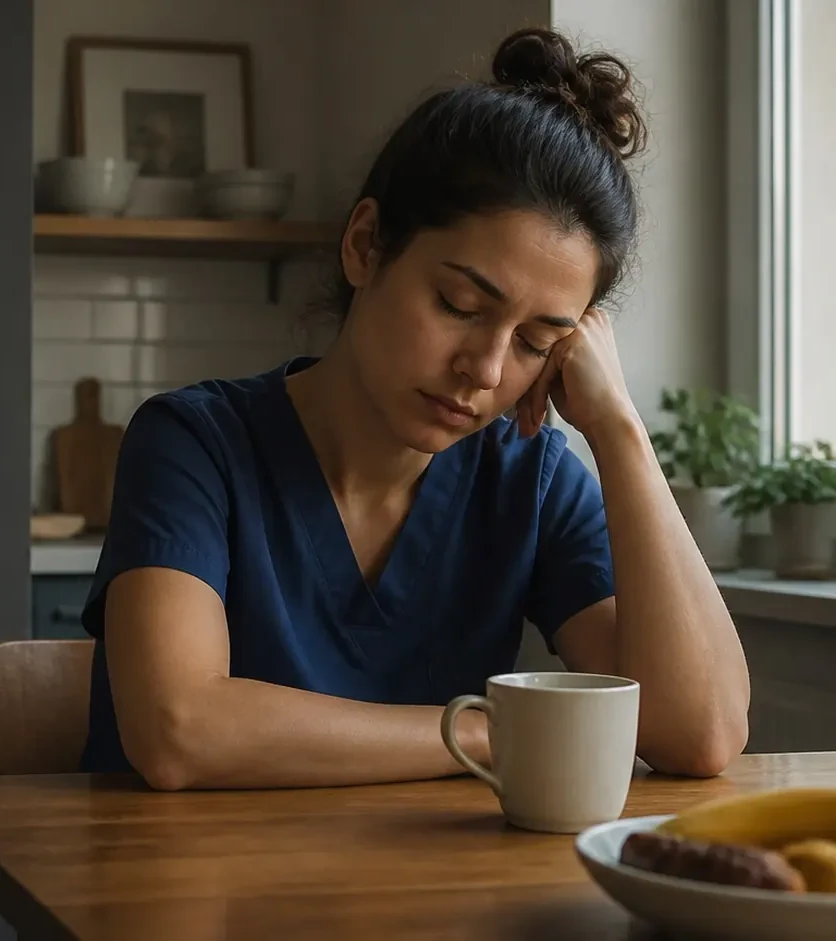
Do not add a third snack to “settle” your stomach. Stay upright for a while, loosen tight waistbands, sip water and dim the rest of the evening. When you do go to bed, a slight upper-body elevation can be more comfortable than lying completely flat.
If you wake up uncomfortable, get up, wait, and avoid a second raid on the fridge. Tomorrow, eat leftovers at an earlier meal instead of turning them into another midnight plate. Your sleep will usually rebound faster than you think once the timing is back under control.
One late plate does not ruin a whole week. What tends to cause trouble is the pattern: leftover dinner, leftover dessert and leftover wine, repeated for several nights in a row. Bring the leftover window back to earlier in the evening and most people feel the difference within a night or two.
A Simple Plan for Holiday Leftovers and Sleep
- Enjoy leftovers at an earlier evening meal whenever you can, then close the kitchen two to three hours before bed.
- If you need a later snack, keep it small, simple and low in spice, grease and sugar.
- Skip leftover wine and late coffee if sleep is already shaky this weekend.
- Eat at the table, not standing in the light of the fridge, so you notice when you are full.
- Stay upright for a bit after you eat, then keep bedtime as close to normal as you can.
Leftovers are one of the best parts of a holiday weekend. They do not have to take the night with them. A little timing, and a smaller plate, is usually all it takes.
General guidance, not medical advice. If a sleep problem persists or gets worse, speak to a qualified clinician. Medical disclaimer