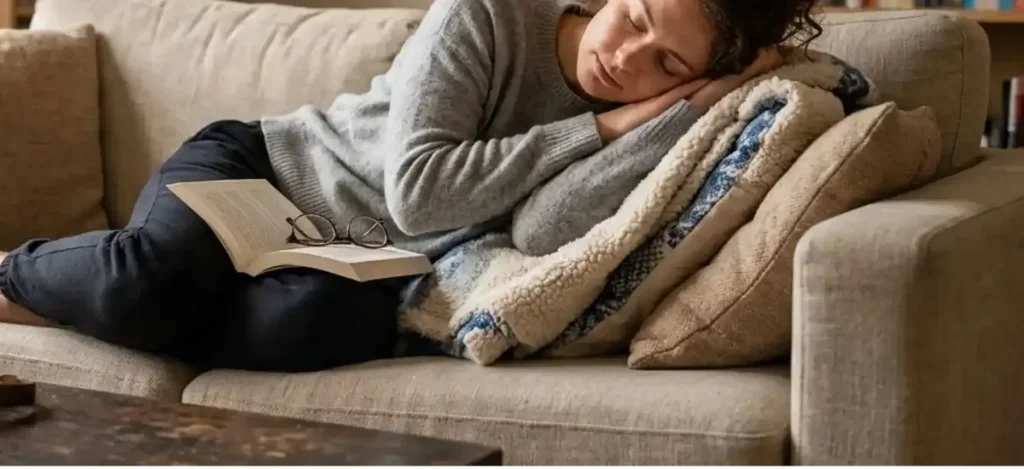
Every Thanksgiving, it happens like clockwork. The plates are cleared, the football game is on, and half the family is nodding off on the couch. And every year, someone blames the turkey.
It’s one of the most repeated food facts in America: turkey contains tryptophan, and tryptophan makes you sleepy. There’s a grain of truth in it, but the full story is more interesting. This guide explains what tryptophan actually does, why you really feel so drowsy after a holiday feast, and how to enjoy the meal without losing the rest of your evening (or your night’s sleep).
Quick Summary
- Turkey does contain tryptophan, an amino acid your body uses to make serotonin and melatonin.
- But turkey alone usually isn’t the reason you crash. Many protein foods contain tryptophan, and a normal serving isn’t likely to knock you out.
- The real culprits are the size of the meal, the carbs, alcohol, and sleep debt that catches up with you once you finally relax.
- Smaller portions, slowing down, a short walk, and easing up on drinks can help you stay alert after the meal.
- A short nap is fine, but a long, late one can make it harder to fall asleep that night.
Does Turkey Make You Sleepy? The Short Answer
Mostly, no. Turkey is a source of tryptophan, but so are plenty of foods you eat all year without needing a nap afterward.
In a Mayo Clinic News Network segment, Mayo Clinic dietitian Kate Zeratsky described the turkey-makes-you-tired idea as both “true and false.” Tryptophan is found in protein-rich foods in general, including other meats and dairy foods like milk and eggs. Her take is that the post-dinner slump is less about the turkey and more about the quantity of everything you ate, plus the alcohol that often comes with celebrations.
The Sleep Foundation makes a similar point: tryptophan may support better sleep at night, but it isn’t likely to cause a sudden need for a nap, despite the lore around Thanksgiving turkey.
What Is Tryptophan, Anyway?
Tryptophan is an essential amino acid. “Essential” means your body can’t make it, so you have to get it from food. According to Cleveland Clinic, a typical 3-ounce serving of turkey contains roughly 250 to 300 milligrams of it.
How tryptophan is linked to sleep
Your body uses tryptophan to make serotonin, a brain chemical that helps regulate sleep. Serotonin, in turn, is used to make melatonin, the hormone that signals it’s time to sleep. That chain is the reason tryptophan gets so much attention, and it’s why some research has looked at tryptophan-rich foods and nighttime sleep quality.
Turkey isn’t special
Here’s the part the myth leaves out. Cleveland Clinic lists many other foods that also contain tryptophan, including:
- Chicken and fish
- Milk and cheese
- Egg whites
- Oats
- Peanuts, pumpkin seeds, sunflower seeds, and sesame seeds
- Soybeans
Cleveland Clinic also notes that you’d have to eat a lot of these foods, turkey included, to feel drowsy from tryptophan alone. If turkey were a true sleep aid, a Tuesday turkey sandwich would leave you snoozing at your desk. (This is also why warm milk works more as a comforting ritual than a sedative.)
Why carbs matter more than you’d think
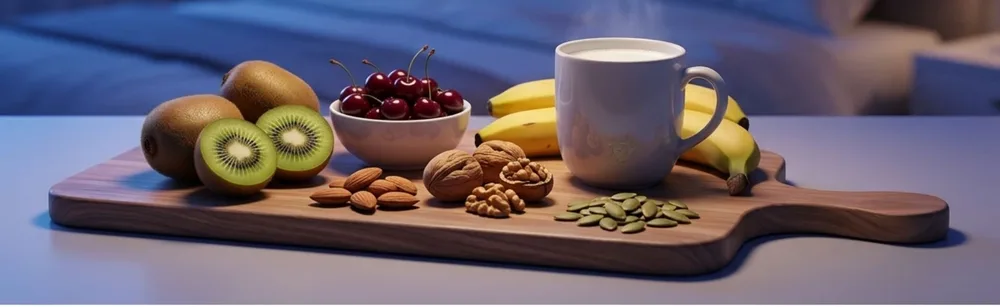
The Sleep Foundation explains that about 100 grams of turkey contains roughly a quarter of a gram of tryptophan, and that turkey on its own isn’t likely to make you very sleepy. Pairing it with carbohydrates, which help tryptophan cross into the brain where it can boost serotonin, is what’s thought to bring on the drowsy feeling.
That matters because a classic Thanksgiving plate is rarely just turkey. It’s turkey plus stuffing, mashed potatoes, rolls, sweet potatoes, and pie.
So Why Do You Feel So Sleepy After Thanksgiving Dinner?
If turkey isn’t the main villain, what is? Experts point to a combination of factors that pile up on the same afternoon.
1. You eat a much bigger meal than usual
Most people eat far more on Thanksgiving than they would at a normal dinner. Cleveland Clinic dietitian Julia Zumpano explains that the meal is usually heavy on carbs (stuffing, potatoes, rolls, pie, and desserts), which can spike your blood sugar at first. When levels come back down, you may feel sluggish. If you’re curious about that connection beyond the holidays, see our guide to how sleep affects your blood sugar.
2. Your body is busy digesting
A huge meal takes work to process. Cleveland Clinic notes that your digestive system needs more blood flow to handle a large meal, which may leave you feeling less alert.
3. Alcohol adds to the slump
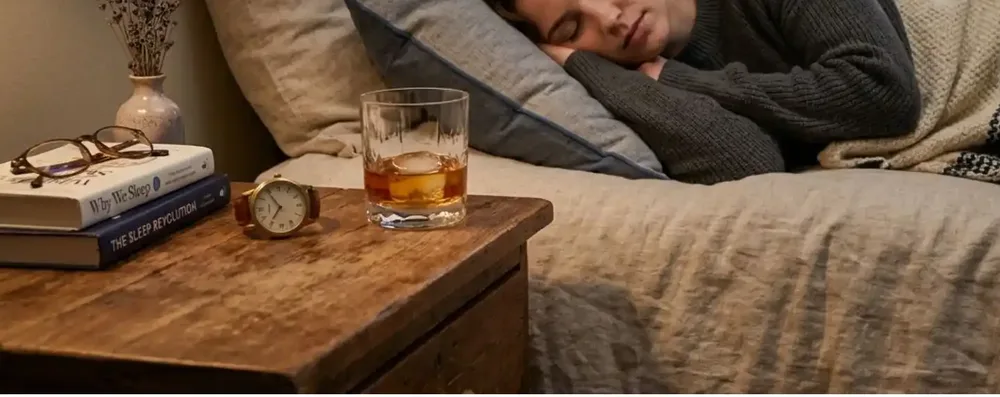
Wine with dinner, a beer during the game, a cocktail before dessert: it adds up. Both Mayo Clinic and Cleveland Clinic point out that alcohol on top of a heavy meal makes that relaxed, lethargic feeling stronger. And while a drink can make you feel drowsy, it doesn’t lead to better sleep. Our article on alcohol and sleep explains why a nightcap tends to backfire later in the night.
4. You’re finally relaxing, and your sleep debt shows up
This might be the biggest factor of all. In a statement from the American Academy of Sleep Medicine (AASM), sleep medicine expert Ralph Downey III, PhD, suggested that Thanksgiving sleepiness may be “much less the tryptophan in your turkey” and more the sleep debt that has built up over time. When you finally sit down with family, a parade, or a football game, your brain gets a chance to feel how tired it really is.
The run-up to the holiday doesn’t help. Many people travel, cook late into the night, or wake up early to get the bird in the oven. In a Sleep Foundation survey, U.S. adults reported losing about 11 minutes of sleep on Thanksgiving on average, while people who hosted reported losing about 51 minutes. Stress and anxiety were the most common reasons people gave for sleeping less.
If you’ve been running short on sleep for weeks, read our guide to sleep debt and whether you can catch up.
Turkey Myth vs. Reality
| What people say | What the experts say |
|---|---|
| “Tryptophan in turkey knocks you out.” | Turkey has tryptophan, but so do many protein foods. A normal serving isn’t likely to cause sudden sleepiness on its own. |
| “Turkey is a natural sleep aid.” | Tryptophan helps your body make serotonin and melatonin, but the effect of a single meal is modest. |
| “It’s the turkey, not the pie.” | Large, carb-heavy meals are a bigger factor, and carbs help tryptophan reach the brain. |
| “A big meal helps you sleep better.” | AASM advises against eating a big meal close to bedtime, since it can make a good night’s sleep harder. |
How to Stay Awake and Alert After a Big Holiday Meal
You don’t need to skip your favorite dishes. A few small changes can help you enjoy the meal and still feel like yourself afterward.
At the table
- Start with a smaller plate. Cleveland Clinic suggests smaller portions as the first step to avoiding a post-meal crash. You can always go back for seconds.
- Slow down. Zumpano recommends eating slowly and checking in with your hunger after about 10 to 15 minutes. One trick she suggests: eat with your nondominant hand.
- Fill up on vegetables first. Loading part of your plate with vegetables can leave less room for the heaviest sides.
- Stop when you’re full. You don’t have to clear your plate just because the food is there.
With drinks
- Go easy on alcohol and alternate drinks with water. Staying hydrated throughout the day is part of Cleveland Clinic’s advice, too.
- Watch the afternoon coffee. A cup with pie may perk you up now but keep you awake later. See how late is too late for coffee.
After the meal
- Take a walk. AASM recommends staying active in the afternoon on Thanksgiving. A family walk around the block is an easy way to do it.
- Get some daylight. Stepping outside, even briefly, can help you feel more awake.
- Keep naps short. If you need a nap, keep it brief and early. Our power nap guide explains why 20 minutes or so tends to leave you less groggy than a long snooze.
- Don’t drive drowsy. If you’re heading home after a big meal and feel very sleepy, switch drivers or rest first. Learn why in our article on drowsy driving.
How to Sleep Well on Thanksgiving Night
Ironically, the same meal that makes you sleepy at 4 p.m. can make it harder to sleep well at 11 p.m. AASM offers a few simple tips for a good night’s sleep on the holiday:
- Don’t go to bed hungry, but don’t eat a big meal right before bedtime either.
- Avoid alcohol, caffeine, and any medicine with a stimulant before bed.
- Follow your usual bedtime routine and keep your bedroom quiet, dark, and a little cool.
- Avoid rigorous exercise within six hours of bedtime.
- Get up at the same time the next morning, even if you stayed up late.
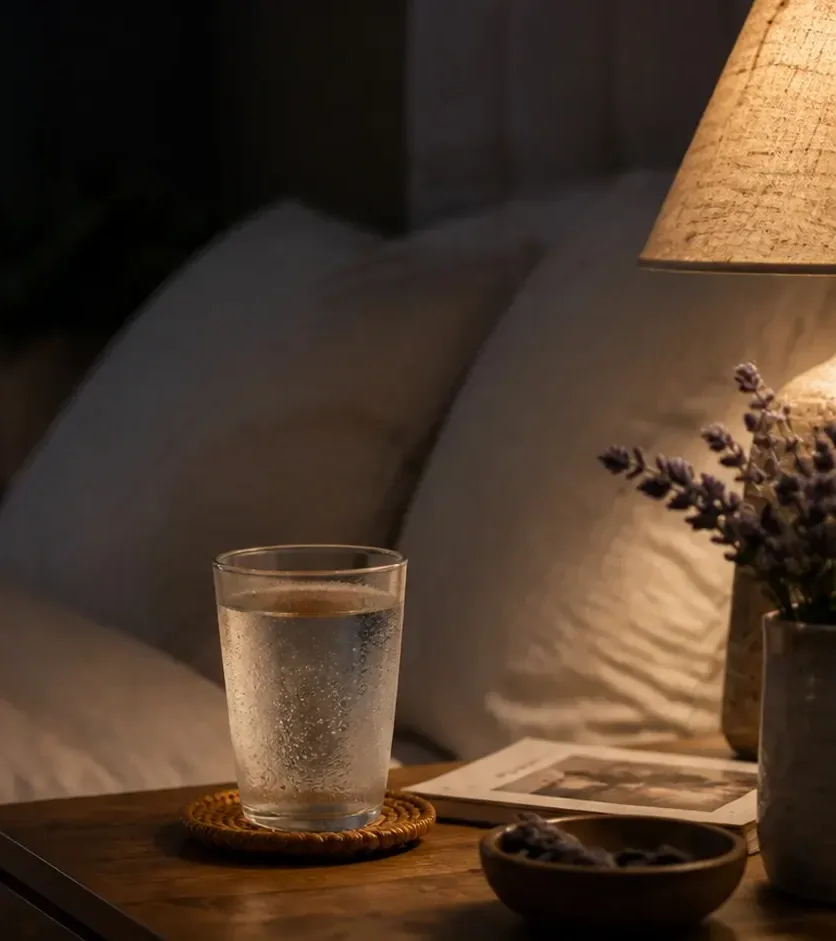
If you want something light before bed later in the evening, our list of foods that help you sleep has gentle options. And if you’re wondering how much to drink before turning in, see how much water to drink before bed.
When Sleepiness After Meals Is Worth Checking
Feeling drowsy after a huge holiday dinner is normal. But talk with a healthcare provider if you regularly feel very sleepy after ordinary meals, have trouble staying awake during the day, or notice other new symptoms along with the tiredness. Persistent sleepiness can have many causes, and a provider can help figure out what is going on.
The Bottom Line
Turkey gets the blame, but it’s mostly innocent. Yes, it contains tryptophan, the building block for serotonin and melatonin. But the real reasons you crash after Thanksgiving dinner are the size of the meal, all those carbs, alcohol, and the sleep debt that surfaces the moment you finally relax. Eat a little slower, take a walk, keep naps short, and save the big plate for earlier in the day, and you’ll enjoy the holiday and still sleep well that night.
FAQ: Does Turkey Make You Sleepy?
Does turkey have more tryptophan than other foods?
Not dramatically. Turkey is a good source, but many protein foods, including chicken, fish, milk, cheese, and eggs, also contain tryptophan. Turkey’s reputation comes mostly from the timing of the Thanksgiving meal.
Why do I feel so tired after eating a big meal?
Large, carb-heavy meals can cause your blood sugar to rise and then fall, and your body needs extra effort to digest them. Add alcohol and a relaxed setting, and drowsiness is very common.
Is it bad to nap after Thanksgiving dinner?
A short nap is usually fine. Long or late naps can make it harder to fall asleep at your usual bedtime, so try to keep it brief and earlier in the afternoon.
Can eating turkey at night help me sleep?
A modest, balanced evening meal can be part of a healthy sleep routine, but turkey isn’t a sleep aid. Eating a large meal close to bedtime can actually make sleep worse.
This article is for general information only and isn’t a substitute for medical advice. If you have ongoing daytime sleepiness, blood sugar concerns, or trouble sleeping, talk with a healthcare provider.
General guidance, not medical advice. If a sleep problem persists or gets worse, speak to a qualified clinician. Medical disclaimer