Sleeping With Socks On: Benefits, Risks, and the Best Socks for Bed
Can sleeping with socks on help you fall asleep faster? See what the research shows, the extra benefits, who should skip it, and the best socks for bed.

If your feet are icy when you climb into bed, you might lie there for a while before you can drift off. Pulling on a pair of socks sounds like an old-fashioned fix, but there’s real science behind it. According to Cleveland Clinic, roughly 1 in 3 people sleep with their socks on, and research suggests they may be onto something.
Here’s how sleeping with socks on can help you fall asleep, what the research actually shows, who should be careful, and how to pick the best socks for bed.
Quick Summary
- Warm feet help your body cool its core, which is part of how your body gets ready for sleep.
- In a small study, bed socks helped people fall asleep about 7.5 minutes faster and sleep 32 minutes longer in a cool room.
- Choose loose, breathable socks made from natural fibers like cotton or merino wool, and wear a fresh pair each night.
- Skip compression socks at night unless your doctor recommends them, and check with a doctor first if you have circulation problems or swelling.
Why Warm Feet Help You Fall Asleep
It sounds backward, but warming your feet actually helps your body cool down for sleep.
Your core body temperature naturally drops in the evening as part of your circadian rhythm. Cleveland Clinic explains that as your feet warm up, blood vessels in your skin widen, a process called distal vasodilation. This helps move heat out of your body, lowers your core temperature, and signals that it’s time to sleep.
The Sleep Foundation describes the same process: lower body temperatures usually come before sleepiness, and warming your feet with socks may lower your core temperature and help you fall asleep faster.
That’s also why your bedroom itself should stay cool. The Sleep Foundation says the best room temperature for sleep is about 65 degrees Fahrenheit. Warm feet plus a cool room is a helpful combination. For more on this, see our guide to the best temperature for sleep.
What the Research Says About Sleeping With Socks On
The study most people cite was published in 2018 in the Journal of Physiological Anthropology. Researchers in Korea, where bed socks are popular in winter, had six young men sleep for seven hours in a cool room set to 23 degrees Celsius (about 73 degrees Fahrenheit), once with bed socks and once without.
When the men wore bed socks, wrist sleep trackers showed that:
- They fell asleep about 7.5 minutes faster.
- They slept about 32 minutes longer.
- They woke up about 7.5 fewer times during the night.
- Their sleep efficiency was 7.6% higher.
Their feet stayed about 1.3 degrees Celsius warmer with socks on. There were a few catches, though. The men didn’t rate their sleep as noticeably better on the questionnaire, and the authors said the findings should be tested in a larger group that includes women and older adults.
So the evidence is promising but limited. Socks won’t fix serious sleep problems, but for people whose cold feet keep them awake, they’re an easy, low-cost thing to try alongside other habits that help you fall asleep fast naturally.

Other Benefits of Wearing Socks to Bed
Beyond helping you fall asleep, Cleveland Clinic sleep medicine specialist Dr. Aparna Bhat points to a few other possible perks.
Help with cold hands and feet
Raynaud’s syndrome tightens blood vessels in the fingers and toes, which reduces blood flow and can leave skin cold and discolored. “If you have colder hands and feet, wearing socks to sleep can be really helpful to promote blood flow and the generation of heat,” Dr. Bhat told Cleveland Clinic.
Fewer temperature swings during hot flashes
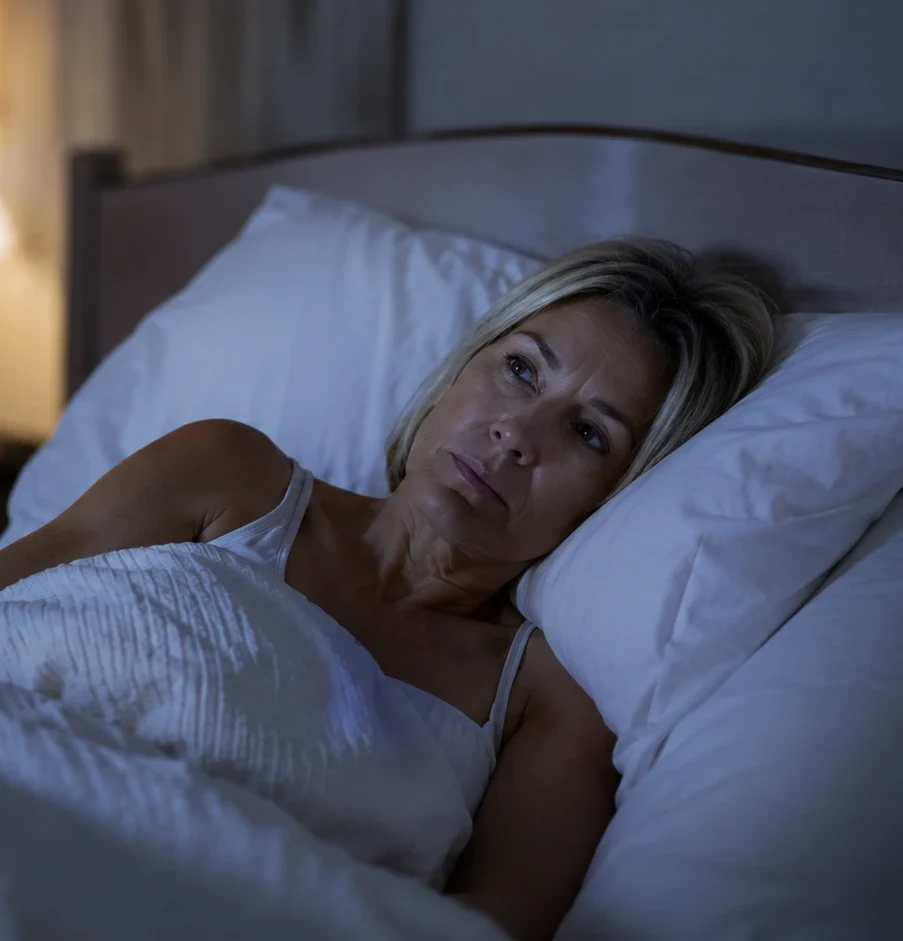
Hot flashes can make nights miserable during menopause. According to Dr. Bhat, the way socks help lower your core body temperature may also minimize hot flashes. “Wearing socks to bed can help modulate your body temperature so it won’t go up and down as much,” she says. Our guide to sleeping better during menopause has more tips.
Softer, less dry feet
Cleveland Clinic suggests applying lotion to your feet before putting on socks at bedtime. The socks help hold in moisture overnight, which can help if you have cracked heels or dry feet.
Foot protection if you have diabetes
Cleveland Clinic notes that for people with diabetes or peripheral artery disease (PAD), socks can reduce the risk of open sores forming from feet rubbing against the sheets. The National Institute of Diabetes and Digestive and Kidney Diseases (NIDDK) also recommends wearing socks in bed if your feet get cold, rather than putting a hot water bottle or heating pad on your feet. That’s because nerve damage from diabetes can make it possible to burn your feet without knowing it.
Who Should Be Careful About Sleeping in Socks
Sleeping with socks on is safe for most people, but it isn’t right for everyone.
- People with circulation problems or swollen feet: The Sleep Foundation says sleeping in socks may not be a good fit if you have circulatory issues, foot swelling, or other conditions where socks could restrict blood flow. Ask your doctor first.
- Anyone tempted to sleep in compression socks: Cleveland Clinic advises against sleeping in compression socks unless they’re recommended for a medical issue.
- Hot sleepers: If you tend to run warm, socks may make you uncomfortable. If you start to overheat, simply take them off or stick your feet out from under the covers. Our tips on how to stop overheating at night can help.

How to Choose the Best Socks for Sleeping
The right pair makes a big difference. Experts at Cleveland Clinic and the Sleep Foundation agree on a few basics.
Fit
Go for a loose, comfortable fit. Socks that are too tight can squeeze your feet and work against the blood-flow effect you’re after.
Material
Natural, breathable fibers are best. Cleveland Clinic recommends:
- Cotton
- Merino wool
- Bamboo
- Viscose (a semi-synthetic fiber made from plants)
Synthetic materials like polyester are less ideal because they can trap moisture. The Sleep Foundation adds that cashmere and merino wool are soft and comfortable but usually cost more, while cotton also lets heat build up and escape without trapping moisture.
Hygiene
Cleveland Clinic recommends a fresh pair every night to avoid bacterial growth, and the Sleep Foundation adds that you should wash your feet regularly.
| What to look for | Why it matters |
|---|---|
| Loose, non-binding cuff | Won’t squeeze your feet or limit blood flow |
| Cotton, merino wool, bamboo, or viscose | Breathable and less likely to trap moisture |
| A clean pair every night | Helps prevent bacterial growth |
| No compression (unless prescribed) | Compression socks aren’t meant for sleep without a doctor’s advice |
Simple Ways to Make Socks Part of Your Bedtime Routine
- Put them on as you wind down. Slip on socks while you read or relax, so your feet are already warm when you get into bed. Our cozy night routine has more ideas.
- Pair them with lotion on nights when your heels feel dry.
- Keep a pair by the bed so you can pull them on (or off) in the middle of the night without getting up.
- Keep the room cool and let your feet do the warming. If you’re tempted to use heated bedding for cold feet, read our guide to sleeping with an electric blanket first.
Is Sleeping Barefoot Bad?
Not at all. Cleveland Clinic is clear that wearing socks to bed is a personal choice. If your feet feel comfortable without them, there’s no need to change anything. Socks are simply a helpful option for people whose cold feet keep them from falling asleep.
The Bottom Line
Sleeping with socks on is a simple, low-cost way to help your body get ready for sleep. Warm feet help release heat and lower your core temperature, and in one small study, bed socks helped people fall asleep faster and sleep longer. Choose loose, breathable socks, wear a clean pair each night, and skip compression socks unless your doctor recommends them. If you have circulation problems or swelling, check with your doctor first.
FAQ: Sleeping With Socks On
Is it good to sleep with socks on?
For many people, yes. Warming your feet helps your body release heat and lower its core temperature, which supports sleep. In a small 2018 study, people wearing bed socks fell asleep about 7.5 minutes faster and slept about 32 minutes longer.
Is it bad to sleep with socks on every night?
It’s generally fine if your socks are clean, loose, and breathable. Wear a fresh pair every night. People with circulation problems or swelling in their feet should ask a doctor first.
What kind of socks are best for sleeping?
Loose-fitting socks made from natural fibers like cotton, merino wool, bamboo, or viscose are best. Avoid tight socks and compression socks unless your doctor recommends them.
Can you sleep in compression socks?
Cleveland Clinic advises avoiding compression socks during sleep unless they’re recommended for a medical issue. Follow your doctor’s instructions if you’ve been prescribed them.
This article is for general information only and isn’t a substitute for medical advice. If you have diabetes, circulation problems, swelling in your feet or legs, or ongoing trouble sleeping, talk with a healthcare provider.
General guidance, not medical advice. If a sleep problem persists or gets worse, speak to a qualified clinician. Medical disclaimer