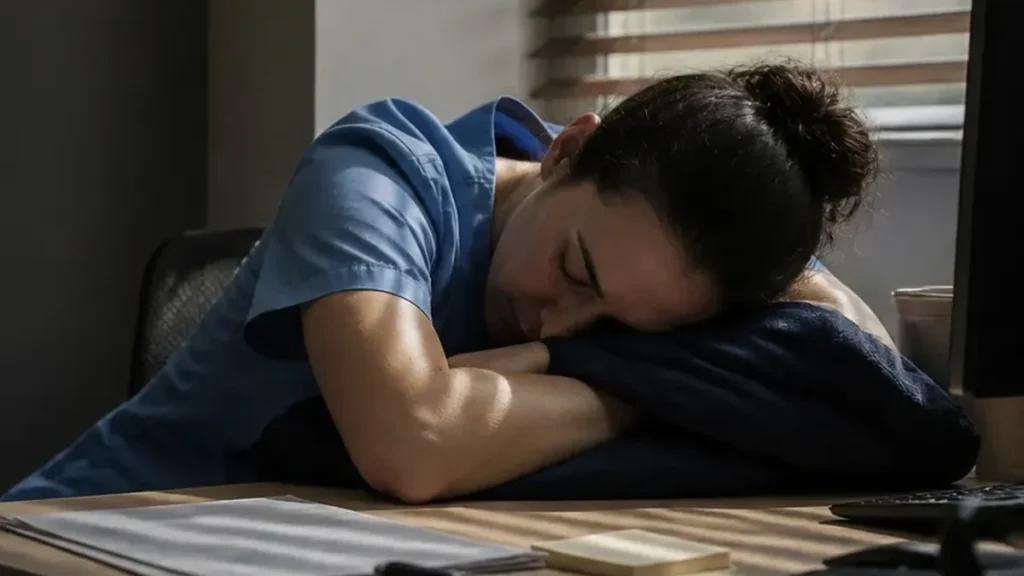
College life seems almost designed to wreck your sleep. Early classes on some days and late ones on others, a roommate with a different schedule, a campus that never quite goes quiet, group chats buzzing at 1 a.m., and the constant pull of one more episode or one more chapter. Add exams and a part-time job, and sleep is often the first thing to go.
But sleep isn’t a luxury you can skip until summer. It’s when your brain locks in what you studied, resets your mood, and gets you ready to focus the next day. These sleep tips for college students are practical, realistic, and built for dorm life, shared apartments, and unpredictable class schedules.
Quick Summary
- Most college students are adults who need 7 or more hours of sleep a night. Many get far less, especially during finals.
- Short sleep can hurt grades, mood, and safety, including your risk of drowsy driving.
- A steady wake time is the most powerful habit, even when your class schedule changes every day.
- Watch caffeine, energy drinks, alcohol, and late-night screens. They often feel helpful but make sleep worse.
- Short naps and a quiet, dark sleep space can make dorm life much more restful.
How Much Sleep Do College Students Need?
Most college students are 18 or older, and the CDC recommends that adults ages 18 to 60 get 7 or more hours of sleep a day. If you’re a 17-year-old first-year student, the CDC recommendation for teens is 8 to 10 hours. You can compare recommendations for every age in our sleep-by-age chart.
That’s the target. The reality is often very different.
Why College Students Struggle With Sleep
Sleep problems on campus are extremely common. A review in the journal Nature and Science of Sleep by sleep researchers at the University of Michigan, Hershner and Chervin (2014), reported that about 50% of college students have daytime sleepiness and 70% don’t get enough sleep. The Sleep Foundation adds that over half of college students get fewer than 7 hours of sleep a night during a typical semester, and that the average student sleeps only 6.36 hours a night during finals week.
Why is it so hard? The research points to a few big reasons.
Your body clock runs late
During adolescence and young adulthood, the body’s internal clock tends to shift later. The Hershner and Chervin review explains that young adults often feel more awake in the evening and have a hard time falling asleep early. Many students end up with a 1 to 3 hour sleep deficit on school nights and then sleep much longer on weekends to catch up. If you want to understand what’s happening inside your head, our guide to the circadian rhythm explains how your body clock works.
Irregular schedules
Unlike high school, college classes may start at 8 a.m. one day and noon the next. Without a set routine, bedtimes and wake times drift all over the place. The Sleep Foundation notes that irregular sleep schedules have been linked to lower GPAs, while consistent sleep can help academic performance.
Stimulants, alcohol, and screens
Caffeine, energy drinks, alcohol, and phones are part of everyday life for many students, and all of them can chip away at sleep. We’ll cover each one below.
Stress and workload
Between classes, exams, jobs, and social life, there’s always something competing for your time. According to the Hershner and Chervin review, students rank sleep problems second only to stress among the factors that hurt their academic performance.
How Poor Sleep Affects Students
Running on short sleep doesn’t just make you yawn through lectures. The same review links sleep deprivation and daytime sleepiness in college students to lower grade point averages, a higher risk of academic failure, compromised learning, impaired mood, and a higher risk of car crashes.
Students seem to know this, too. In one study cited in the review, 82% of college students said inadequate sleep and sleepiness affect their school performance.
Drowsy driving deserves special attention. Among 1,039 undergraduate students in one study cited by Hershner and Chervin, 16% reported falling asleep while driving. If you’re heading home for break after finals week, our guide to drowsy driving explains the warning signs and how to stay safe.
10 Sleep Tips for College Students
You don’t have to overhaul your whole life to sleep better. Pick two or three of these to start, then build from there.
1. Anchor your wake time
If your class schedule changes every day, make your wake-up time the one thing that stays the same. The Sleep Foundation recommends going to bed and waking up at the same time every day, including weekends. Even if your first class is at noon on Tuesdays, getting up near your usual time keeps your body clock steady. If your schedule has already drifted, try our plan for resetting your sleep schedule in one week.
2. Protect a realistic bedtime
Count back about 7 to 8 hours from your wake time, then add some time to wind down. That’s your bedtime target. It won’t happen every night, but having a number in mind makes it easier to notice when “just one more thing” is eating into your sleep. If you often stay up late just to get some time for yourself, you may be dealing with revenge bedtime procrastination.
3. Set a caffeine cutoff
Caffeine is a study staple, but it lingers. In one study described in the Hershner and Chervin review, caffeine’s effects lasted 5.5 to 7.5 hours, which suggests that even an afternoon coffee could make it harder to fall asleep. The CDC recommends avoiding caffeine in the afternoon or evening.
It also helps to keep your total intake in check. The FDA says 400 milligrams a day, about two to three 12-ounce cups of coffee, is an amount not generally associated with negative effects for most adults, though sensitivity varies widely. Energy drinks can add up fast, so check labels. Find your personal cutoff in our guide to caffeine and sleep.

4. Don’t rely on energy drinks to cover lost sleep
According to the Hershner and Chervin review, 34% of 18- to 24-year-olds regularly consume energy drinks, and in one study 67% of users said they drank them to make up for not getting enough sleep. Caffeine can mask tiredness for a while, but it doesn’t pay back sleep debt. Our guide to sleep debt explains why.
5. Be careful with alcohol before bed
A drink might make you drowsy, but it doesn’t lead to good sleep. The same review explains that alcohol shortens the time it takes to fall asleep but then promotes fragmented sleep in the second half of the night. Here’s more on how alcohol affects sleep.
6. Put your phone to bed, too
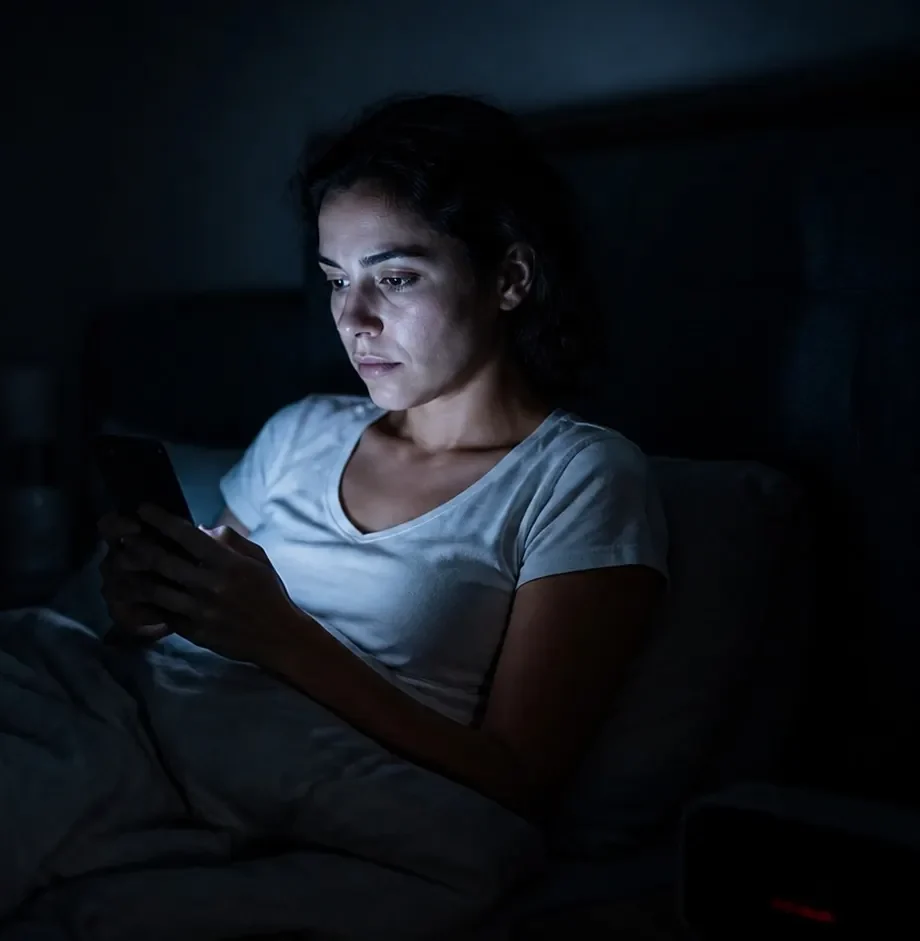
The review notes that frequent cell phone use around bedtime is linked with trouble falling asleep, waking up during the night, and waking too early. It also reports that 57% of young adults leave their phone on while they sleep. The CDC recommends turning off electronic devices at least 30 minutes before bed.
Try charging your phone across the room, switching on Do Not Disturb, and replacing late-night scrolling with something low-key. Our article on screen time before bed has more ideas.
7. Use naps wisely
Naps can be a real tool for students. The Sleep Foundation recommends keeping naps to 20 to 30 minutes and planning for them to end by late afternoon so they don’t interfere with nighttime sleep. The Hershner and Chervin review even found that high academic performers were more likely to nap than low performers. For the ideal length, see our guide on how long a nap should be.
8. Make your dorm room sleep-friendly
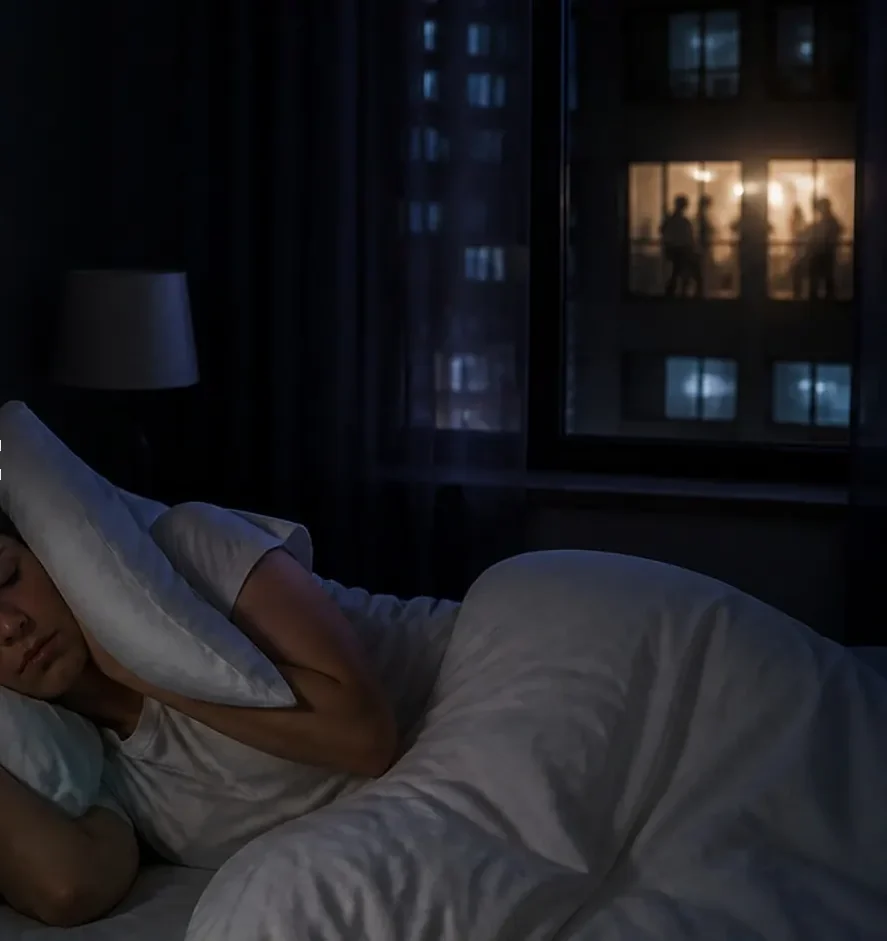
You can’t control your hall, but you can control your bed. The CDC recommends keeping your bedroom quiet, relaxing, and cool. In a dorm or shared apartment, that might mean:
- An eye mask to block light from a roommate’s desk lamp. Here’s how to choose the best eye mask for sleep.
- Earplugs, a fan, or a white noise app to cover hallway noise. Our guide to sleeping in a noisy environment has more tricks.
- A quick conversation with your roommate about quiet hours and lights-out times. Agreeing early saves a lot of tension later.
9. Skip the all-nighter
Pulling an all-nighter can feel productive, but the Sleep Foundation explains that it can impair thinking and make it harder to recall information during an exam. Better sleep duration, quality, and consistency in the weeks before a test are associated with stronger academic performance. A better plan is to study in focused blocks earlier in the week and sleep the night before. Our guide on how sleep affects your brain explains why.
10. Build a short wind-down routine
Give your brain a signal that the day is over. Dim the lights, put away your laptop, and do something calm for 15 to 30 minutes, like reading, stretching, or listening to music. If your mind races with assignments and deadlines, try writing a quick to-do list for tomorrow. Our tips on how to stop overthinking at night can help too.
A Sample Sleep-Friendly Day
Every schedule is different, but here’s what a balanced day might look like for a student who wakes at 7:30 a.m.:
| Time | What to do |
|---|---|
| 7:30 a.m. | Wake up at your usual time and get some daylight on the walk to class or breakfast. |
| Morning | Have your coffee or tea with breakfast or before your first class. |
| Early afternoon | Last caffeine of the day. Take a 20-minute nap if you need one. |
| Evening | Study in focused blocks and save lighter tasks for later. |
| 10:30 p.m. | Start winding down. Dim the lights and put your phone on its charger across the room. |
| 11:00 p.m. | Lights out, aiming for about 8 hours in bed. |
Adjust the times to fit your own classes and job, but keep the pattern: a steady wake time, early caffeine, short early naps, and a calm last half hour.
When to Get Help
Sometimes a sleep problem is more than a busy schedule. The Hershner and Chervin review notes that delayed sleep phase disorder, where your body clock is shifted much later than normal, may affect as many as 6.7% to 17% of college students in the U.S. Students with this condition may miss morning classes and struggle to concentrate.
Consider talking to your campus health center or a doctor if:
- You can’t fall asleep for long stretches most nights, even when you’re tired
- You’re exhausted during the day even after getting enough sleep
- You fall asleep in class or behind the wheel
- Your roommate notices loud snoring or pauses in your breathing
- Stress, anxiety, or low mood are keeping you up
Many campuses offer counseling and health services that can help with sleep and stress. Reaching out is a smart move, not a sign of weakness.
The Bottom Line
College is a busy, exciting, and often chaotic time, but your sleep still matters, and it may matter more than ever. Most students need 7 or more hours a night, yet many fall short. Start with a consistent wake time, set an early caffeine cutoff, keep naps short, put your phone away before bed, and make your room as dark and quiet as you can. Small changes add up to better focus, better mood, and better grades.
FAQ: Sleep for College Students
Is 6 hours of sleep enough for a college student?
For most students, no. The CDC recommends 7 or more hours a night for adults, and 8 to 10 hours for teens under 18.
Is it better to sleep or study the night before an exam?
Sleep usually wins. The Sleep Foundation notes that all-nighters can impair your thinking and memory, while better sleep in the days and weeks before a test is linked with stronger performance.
How can I sleep in a loud dorm?
Use earplugs, a fan, or white noise, add an eye mask to block light, and talk with your roommate about quiet hours.
Are naps good for college students?
Short naps can help. Keep them to 20 to 30 minutes and finish by late afternoon so they don’t interfere with nighttime sleep.
Why can’t I fall asleep before 2 a.m. in college?
A naturally later body clock, irregular schedules, late caffeine, and screens are common causes. A steady wake time and morning daylight can help shift your sleep earlier.
This article is for general information and isn’t a substitute for medical advice. If you’re struggling with ongoing sleep problems, anxiety, or low mood, reach out to your campus health center or a healthcare provider.
General guidance, not medical advice. If a sleep problem persists or gets worse, speak to a qualified clinician. Medical disclaimer