From Thanksgiving through New Year’s, the calendar fills up fast: travel, parties, shopping, cooking, end-of-year deadlines, and late nights catching up with family. Sleep is usually the first thing to go.
You’re not imagining it if you feel worn out by mid-December. In a survey from the American Academy of Sleep Medicine (AASM), 55% of U.S. adults said they feel extremely or somewhat tired during the holiday season. For many, it lasts into the new year: 46% said they feel tired on New Year’s Day, and 42% on their first day back at work in January.
The good news is that you don’t need a perfect routine to stay rested. These holiday sleep tips focus on small, realistic habits that protect your sleep while still leaving room for the fun.
Quick Summary
- Keep your wake time steady, even on days off. It’s the anchor that keeps your body clock on track.
- Be strategic with food, alcohol, and caffeine in the evening. Big late meals and nightcaps can make sleep worse.
- Pack a “sleep kit” for travel so a guest room or hotel feels more like your own bedroom.
- Manage holiday stress before bed with a short wind-down routine and a quick to-do list.
- Plan a recovery day or two after big events or trips to get back to your normal rhythm.
Why the Holidays Are So Hard on Sleep
Holiday sleep problems rarely come from one thing. It’s usually a pile-up of small changes. The National Sleep Foundation points out that during the holidays, the whole family’s routine can shift: kids are home from school, there are fewer hours of daylight, families travel, and colder weather can make it harder to get outside and exercise.
Stress plays a big role, too. In a Sleep Foundation survey about Thanksgiving, stress and anxiety were the top reasons people gave for sleeping less, followed by family commitments. People who hosted reported losing the most sleep, about 51 minutes on average.
Shorter, darker days can also leave you feeling sluggish this time of year. If that sounds familiar, see why you sleep more in winter.
1. Keep Your Wake Time (Mostly) the Same
If you do just one thing, make it this. The AASM’s guide How to Sleep Better recommends getting up at the same time every day, even on weekends and during vacations. The National Sleep Foundation gives similar advice for the holidays: go to bed and wake up at the same time every day.
Late nights will happen. When they do, try not to sleep until noon. Getting up within an hour or so of your normal time, then going to bed a little earlier the next night, keeps your body clock from drifting. If your schedule has already gone off the rails, our one-week sleep schedule reset can help.
2. Protect Your Total Sleep Time
AASM recommends that most adults sleep seven or more hours per night on a regular basis, and AASM spokesperson Dr. David Kuhlmann suggests sticking to your normal sleep routine through December and January. The National Sleep Foundation notes that children and teens need 8 to 11 hours.
During a busy season, that often means saying no to something. A few ideas:
- Put your bedtime on the calendar the same way you’d schedule a party.
- Shop online or split errands with family instead of squeezing them into late nights.
- Leave events a little earlier when you have an early morning the next day.
3. Go Easy on Late Feasts
Holiday meals are part of the fun, but timing matters. AASM advises against eating large amounts of food right before bedtime because it can disrupt your sleep. The National Sleep Foundation suggests finishing eating and drinking 2 to 3 hours before bed.
That doesn’t mean going to bed hungry. AASM’s Thanksgiving advice is to avoid going to bed hungry, but not to eat a big meal before bedtime either. If you’re wondering why everyone gets drowsy after the big dinner, our article on whether turkey makes you sleepy breaks it down.
4. Be Smart About Alcohol and Caffeine
Holiday gatherings often mean extra drinks and plenty of coffee. AASM recommends limiting caffeine and alcohol late at night: caffeine makes it harder to fall asleep, and alcohol before bed can disrupt your sleep during the night. In the Sleep Foundation’s Thanksgiving survey, about 35% of people who lost sleep said they drank more than usual over the holiday, compared with about 28% of all respondents.
Simple swaps help:
- Alternate alcoholic drinks with water or a festive mocktail.
- Stop drinking alcohol a few hours before bed.
- Switch to decaf or herbal tea after lunch. AASM’s guide suggests avoiding caffeine after lunch if you’re having trouble sleeping.
Learn more in our guides to alcohol and sleep and caffeine and sleep.
5. Get Daylight and Move Your Body
Fewer daylight hours and cold weather make it easy to stay indoors all day. The National Sleep Foundation recommends spending some time outside each day for sunlight and notes that exercise can also promote better sleep. A brisk walk after a holiday meal checks both boxes.
Just watch the timing on hard workouts. AASM’s Thanksgiving tips suggest avoiding rigorous exercise within six hours of bedtime.
6. Pack a Sleep Kit for Holiday Travel
Sleeping somewhere new is tough, whether it’s your parents’ guest room, a pull-out couch, or a hotel. Sleep specialist Dr. Angela Holliday-Bell, quoted by the Sleep Foundation, explains that it can be hard to rest when you can’t control the temperature or noise. She suggests bringing items that mimic your home environment, such as a favorite pillow, a sleep mask, noise-blocking headphones, a white noise machine, or a travel fan.
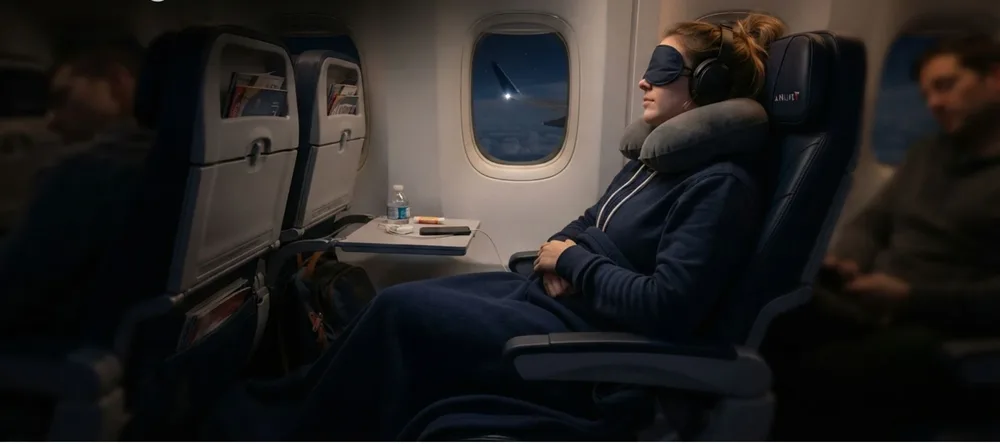
Your holiday sleep kit could include:
- An eye mask and earplugs
- Your own pillow or pillowcase
- A white noise app or small fan
- Comfortable sleepwear for a room that may be warmer or colder than you’re used to
- Any medications you normally take at bedtime
For more help, see our guides on sleeping in a new place, sleeping better in a hotel, and sleeping on a plane. Crossing time zones? Don’t miss our jet lag survival guide.
7. Don’t Drive Drowsy
Holiday road trips often mean long drives after big meals or late nights. If you feel very sleepy behind the wheel, it’s time to pull over, switch drivers, or rest before you continue. Plan to leave well-rested when you can, and avoid driving late at night after a celebration.
Our article on drowsy driving covers the warning signs and why it’s so dangerous.
8. Calm Holiday Stress Before Bed
With so much to do, it’s common to lie awake running through gift lists, menus, and travel plans. AASM’s guide suggests setting aside a specific time during the day to write down your worries so they’re less likely to follow you to bed. It also recommends finding relaxing rituals before bed, such as a warm bath, a light snack, or a few minutes of reading.

Try a simple 15-minute wind-down:
- Write tomorrow’s top three tasks on paper.
- Dim the lights and put your phone away. AASM recommends turning off electronic devices at least 30 minutes before bedtime.
- Do something calming, like reading, light stretching, or slow breathing.
If you can’t fall asleep after about 20 minutes, AASM suggests getting up and doing a quiet activity until you feel tired, rather than tossing and turning. Our guides to overthinking at night and journaling before bed have more ideas.
9. Keep Kids on a Loose Routine
When school is out, bedtimes tend to slide. You don’t need to be rigid, but keeping wake times and the basic bedtime routine fairly consistent can make the return to school much easier. The National Sleep Foundation encourages healthy sleep habits for the whole family during the holidays. For a simple framework, see our bedtime routine for kids.
10. Plan Recovery Time After Big Events
After a big trip or a late party, give yourself some grace. Dr. Holliday-Bell suggests giving yourself a day or two to get back into your normal routine after the holiday.
A few recovery tips:
- Nap smart. A short nap can take the edge off. AASM’s guide suggests keeping naps under an hour and never after 3 p.m. Our nap guide explains why shorter is often better.
- Go to bed a little earlier instead of sleeping in for hours.
- Get morning light to help reset your body clock.
If you’ve been running on empty for weeks, learn more about sleep debt and how to catch up.
Holiday Sleep Tips at a Glance
| Holiday challenge | Quick fix |
|---|---|
| Late parties | Keep your wake time steady and go to bed earlier the next night |
| Big holiday meals | Finish eating 2 to 3 hours before bed |
| Extra drinks | Alternate with water and stop a few hours before bed |
| Afternoon coffee | Switch to decaf or herbal tea after lunch |
| Travel and guest rooms | Pack an eye mask, earplugs, and your own pillow |
| Stress and to-do lists | Write tomorrow’s tasks down before bed |
| Post-holiday fatigue | Plan a day or two to get back to your routine |
When to Talk to a Doctor
A few rough nights during the holidays are normal. But if trouble sleeping continues for weeks after things calm down, or you feel exhausted during the day no matter how much you sleep, talk with a healthcare provider. Ongoing insomnia, loud snoring with pauses in breathing, or low mood that doesn’t lift are all worth discussing.
The Bottom Line
The holidays will never be as predictable as an ordinary week, and that’s OK. Focus on the habits that matter most: a steady wake time, enough total sleep, lighter evenings when it comes to food and drinks, a calm wind-down, and a little recovery time after big events. Protecting your sleep doesn’t mean missing the fun. It means you’ll actually have the energy to enjoy it.
FAQ: Holiday Sleep Tips
How can I sleep better during the holidays?
Keep your wake time consistent, aim for seven or more hours of sleep, avoid big meals and alcohol close to bedtime, limit caffeine later in the day, and build a short wind-down routine. When traveling, bring items that help you recreate your bedroom at home.
Is it OK to sleep in during the holidays?
An occasional lie-in is fine, but sleeping in for hours can shift your body clock later and make it harder to fall asleep at night. Try to wake within about an hour of your usual time.
Why am I so tired during the holiday season?
Late nights, travel, stress, big meals, extra alcohol, and shorter days can all add up. In an AASM survey, more than half of U.S. adults said they feel tired during the holidays.
How do I get back on track after the holidays?
Give yourself a day or two. Return to your regular wake time, get morning daylight, keep naps short, and go to bed a little earlier instead of sleeping late.
This article is for general information only and isn’t a substitute for medical advice. If you have ongoing trouble sleeping, extreme daytime sleepiness, or symptoms of a sleep disorder, talk with a healthcare provider.
General guidance, not medical advice. If a sleep problem persists or gets worse, speak to a qualified clinician. Medical disclaimer