Sleeping With Your Phone Next to You: Is It Bad for Sleep?
Is sleeping with your phone next to you bad? See what sleep experts say about scrolling, alerts, radiation and charging in bed, plus habits for better sleep.
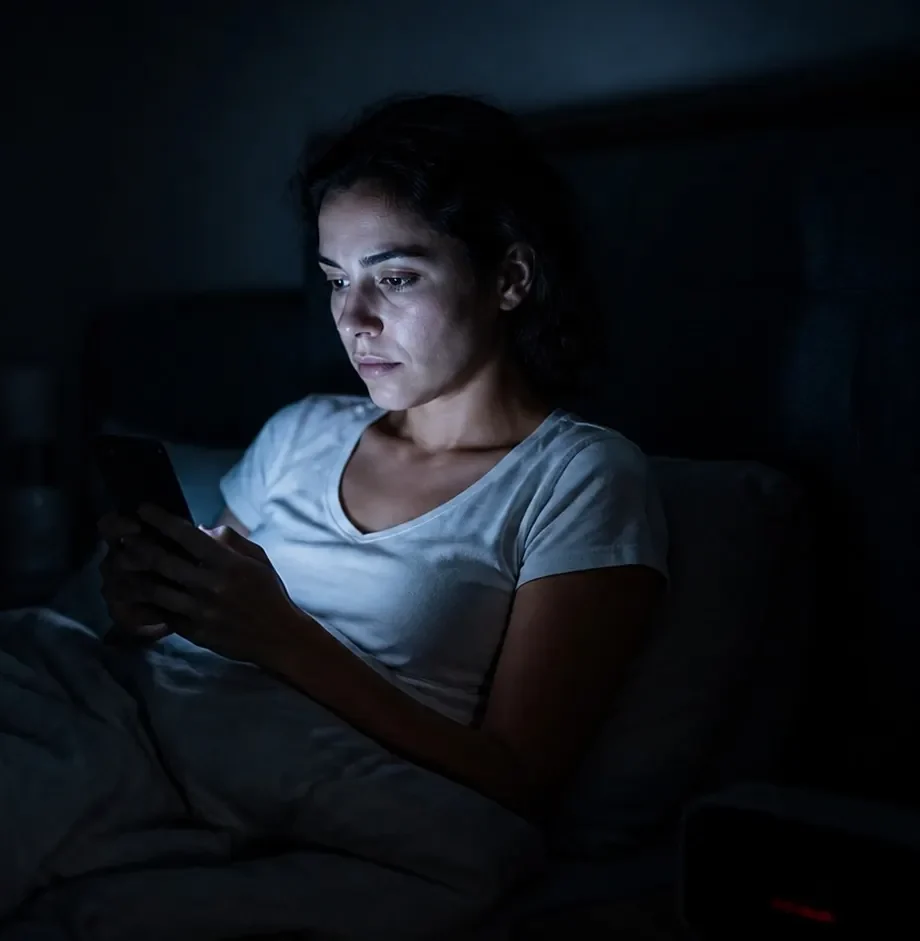
For a lot of us, the phone is the last thing we look at before sleep and the first thing we grab in the morning. It’s our alarm clock, our white noise machine and our late-night news feed, all in one. But is sleeping with your phone next to you actually bad for you?
Here’s what sleep experts say about keeping your phone in bed, the real risks (and the overblown ones) and simple ways to keep it from stealing your sleep.
Quick Summary
- Most of us do it. An American Academy of Sleep Medicine (AASM) survey found 87% of Americans keep their smartphone in the bedroom.
- The biggest problem is behavior, not radiation. Scrolling, late-night alerts and checking the time can delay and break up sleep.
- Radiation fears aren’t backed by evidence. The FDA says the weight of scientific evidence hasn’t linked cell phone radio frequency energy to health problems.
- Don’t sleep on a charging phone. Apple warns against sleeping on a device or charger, or putting it under a pillow or blanket, while it’s connected to power.
- Distance helps. Sleep experts suggest charging your phone in another room and using a regular alarm clock.
How Common Is Sleeping With Your Phone?
Very common. In a 2023 survey, the AASM found that 87% of people keep their smartphone in the bedroom, often within arm’s reach. When they had trouble falling asleep, 45% of respondents said they used their phone.
A more recent AASM survey found that half of adults (50%) use a screen in bed every day, and more than one in four (26%) say they prioritize screen time on their phone over getting the recommended amount of sleep.
Is It Bad to Sleep With Your Phone Next to You?
Having a phone in the room isn’t automatically harmful. The trouble is what tends to happen when it’s within reach. Here are the main ways it can affect your night.
It keeps you up later
The easiest way a phone costs you sleep is simple: you keep using it. The AASM’s survey found that 38% of adults say viewing news on their phone or tablet before bed, often called doomscrolling, makes their sleep slightly or significantly worse. That rose to 46% among adults ages 18 to 24.
Research summarized by the AASM’s Sleep Education site backs this up. In a 2025 study of nearly 40,000 university students in Norway, each extra hour of screen time after going to bed was tied to a 59% higher chance of insomnia symptoms and about 24 fewer minutes of sleep. A separate 2025 study of U.S. adults found people who used screens before bed had a 33% higher rate of poor sleep quality than those who avoided them.
If you often push bedtime later just to get “me time” on your phone, you may relate to revenge bedtime procrastination.
Alerts and buzzing can wake you up
Even if you don’t pick up your phone, it can still interrupt your night. A text, an app notification or a vibration can pull you out of light sleep. That’s why the AASM recommends turning off push notifications and sound if your phone has to stay in your bedroom.
Checking the time feeds sleep worry
When you wake at 3 a.m., reaching for your phone to check the time can start a spiral of counting how many hours you have left. And once the screen is on, it’s tempting to open an app. Our guide on waking up in the middle of the night has better ways to get back to sleep.
Bright screens and an alert brain
Phones give off light and, just as important, keep your mind engaged. The AASM advises adults to avoid blue light from handheld electronics 30 to 60 minutes before bedtime. Our deeper dive on blue light and screen time before bed covers what the research says about light versus the content you’re reading.
What About Phone Radiation?
Many people worry that sleeping with a phone near their head could expose them to harmful radiation. Phones give off radio frequency (RF) energy, a type of non-ionizing radiation. According to the U.S. Food and Drug Administration (FDA), the weight of scientific evidence has not linked cell phone radio frequency radiation with any health problems, and the evidence doesn’t show a danger to users, including children and teenagers.
So radiation isn’t a strong reason to banish your phone. The FDA does share simple steps for people who still want to reduce their exposure, such as using speakerphone or a headset. Keeping your phone across the room at night is an easy way to put a little distance between you and the device, and it helps with all the sleep problems above, too.
The Real Safety Risk: Charging Your Phone in Bed
The more practical concern is heat. In its iPhone safety guidance, Apple warns that long contact with warm surfaces may cause discomfort or injury. It says not to sleep on a device, power adapter or wireless charger, or place them under a blanket, pillow or your body, when they’re connected to a power source. Apple also advises keeping the phone and charger in a well-ventilated area while charging.
That makes charging a phone under your pillow or in the sheets a bad idea, no matter which brand you own. Charge it on a hard, open surface like a dresser or nightstand instead, and check your own phone maker’s safety guidance.
How to Sleep Better Without Giving Up Your Phone
You don’t need to toss your phone in a drawer forever. These steps, based on AASM sleep tips, can help you keep it from running your night.
1. Give it a bedtime
Power down your phone, or at least stop using it, 30 to 60 minutes before bed. Setting a reminder or using your phone’s downtime or focus settings can make this easier.
2. Charge it outside the bedroom
The AASM suggests placing phones in another room at bedtime. If that feels like too much, charge it across the room, out of arm’s reach, so you have to get out of bed to scroll.
3. Use a real alarm clock
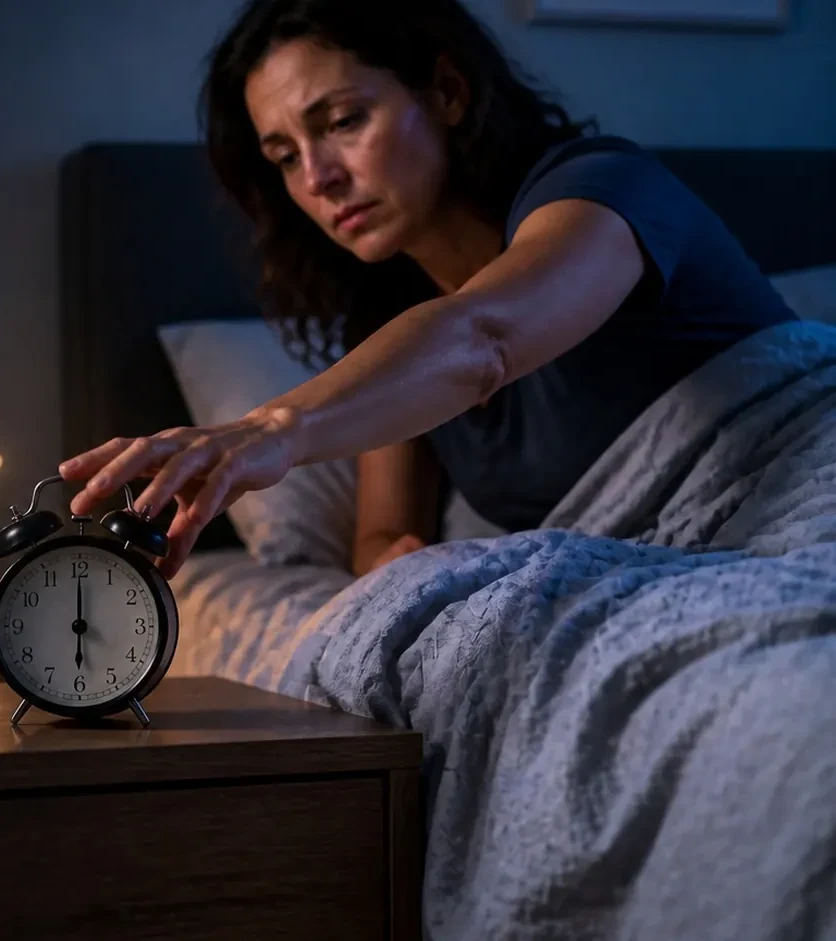
Using your phone as an alarm is the number one excuse for keeping it in bed. A basic alarm clock solves that. If you hate harsh beeps, a wake-up light is a gentle option; see our guide to sunrise alarm clocks. And if you tend to hit snooze, try these tips on how to stop hitting snooze.
4. Silence alerts
If your phone stays in the room, turn on Do Not Disturb or turn off push notifications and sound. Most phones let you allow calls from a few favorite contacts in case of emergencies.
5. Replace the scroll with a wind-down routine
The AASM suggests reading, journaling or a warm shower to help your body relax. A paper book, a short stretch or a few minutes of slow breathing can fill the gap your phone used to take up. Our cozy night routine has more ideas.
6. If you use sleep sounds, set it and forget it
Many people play rain sounds or white noise from their phone. Start the sound, put the phone face down on a nightstand away from the bed and avoid picking it up again. A dedicated sound machine is another option; our guide to white, pink and brown noise explains the differences.
What About Kids and Teens?
Phones in bed can be an even bigger issue for children and teens, who need more sleep than adults. The AASM’s tips for parents suggest keeping electronic devices out of a teen’s bedroom, setting a reasonable cutoff time for texting and social media and making sure notifications are silenced during sleep. Our sleep tips for teens go into more detail.
The Bottom Line
Sleeping with your phone next to you isn’t dangerous because of radiation, according to the FDA. The real cost is to your sleep: late-night scrolling, buzzing alerts and the urge to check the time can all cut into rest. Never sleep on a charging phone or tuck it under your pillow. The easiest fix is to charge it across the room or in another room, use a regular alarm clock and give yourself a screen-free wind-down before bed.
FAQ: Sleeping With Your Phone
Is it bad to sleep with your phone under your pillow?
Yes, especially while it’s charging. Apple warns against sleeping on a device or charger or placing it under a pillow or blanket while it’s connected to power, because of the risk of heat-related discomfort or injury.
How far away should your phone be when you sleep?
There’s no official distance. Sleep experts at the AASM recommend keeping your phone in another room. If that’s not possible, put it across the room and silence notifications.
Does phone radiation affect sleep?
The FDA says the weight of scientific evidence hasn’t linked cell phone radio frequency energy to health problems. For sleep, the bigger issues are screen use, light and alerts.
Is airplane mode enough?
Airplane mode stops calls and messages from waking you, which helps. But if the phone is within reach, you may still be tempted to scroll, so moving it away from the bed works better.
This article is for general information only and isn’t medical advice. If you have ongoing trouble falling or staying asleep, talk with a health care provider.
General guidance, not medical advice. If a sleep problem persists or gets worse, speak to a qualified clinician. Medical disclaimer