Sleeping In on Weekends: Does It Help or Hurt Your Sleep?
Is sleeping in on weekends good or bad? Catch-up sleep may help, but big lie-ins cause social jet lag. Learn how long to sleep in and how to do it right.
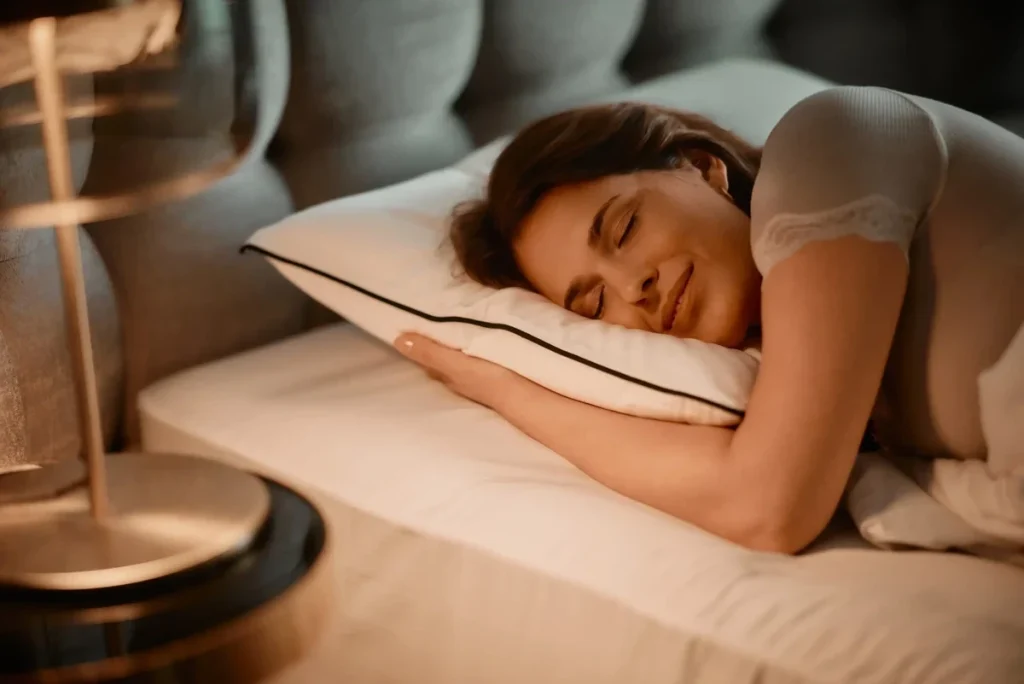
By Friday night, a lot of us are running on fumes. Early alarms, late nights, and a packed week leave a sleep gap, and Saturday morning feels like the perfect time to close it. You turn off the alarm, pull the covers up, and sleep until 10. It feels amazing. Then Sunday night rolls around, you can’t fall asleep, and Monday’s alarm feels brutal.
So is sleeping in on weekends good or bad for you? The honest answer is a bit of both. A modest lie-in can help when you’re short on sleep, but sleeping in for hours can scramble your body clock and make the week ahead harder. Here’s what the research says, and how to sleep in the smart way.
Quick Summary
- A little catch-up sleep may help. A large study presented at the European Society of Cardiology Congress 2024 linked the most weekend catch-up sleep with about a 19% lower risk of heart disease.
- It doesn’t erase a week of short sleep. In a controlled 2019 study in Current Biology, weekend recovery sleep didn’t prevent weight gain or lower insulin sensitivity once short sleep started again.
- Big lie-ins cause “social jet lag.” Shifting your wake-up time by several hours on weekends confuses your body clock, a lot like flying across time zones.
- Aim for an hour or less. Keeping your weekend wake-up time within about an hour of your weekday time protects your body clock while still giving you some extra rest.
Why We Sleep In on Weekends
Most adults need at least 7 hours of sleep a night. During a busy week, many people don’t get it. That missing sleep adds up as sleep debt, and your body pushes you to pay it back when you finally have the chance. The Sleep Foundation explains that catch-up sleep can help you feel better in the short term, but it doesn’t fully reverse the effects of regularly getting too little sleep. Our guide to sleep debt and catching up on sleep goes deeper on how that debt builds.
Your natural body clock plays a role too. Night owls, who naturally feel sleepy later, often have the hardest time with early weekday alarms, so they tend to sleep in the longest on days off. If you’re not sure where you fall, read about your sleep chronotype.
The Case for Sleeping In
There is some good news for weekend sleepers. In the UK Biobank study presented at ESC Congress 2024, researchers tracked the sleep of 90,903 people with wrist devices and followed them for about 14 years. People who got the most compensatory sleep on weekends were 19% less likely to develop heart disease than those who got the least. Among people who regularly slept less than seven hours a night, the group with the most catch-up sleep had a 20% lower risk.
That study shows a link, not proof that sleeping in protects your heart. Still, it suggests that if you’re truly short on sleep during the week, getting some extra rest on the weekend is better than staying sleep-deprived all seven days.
The Case Against Sleeping In
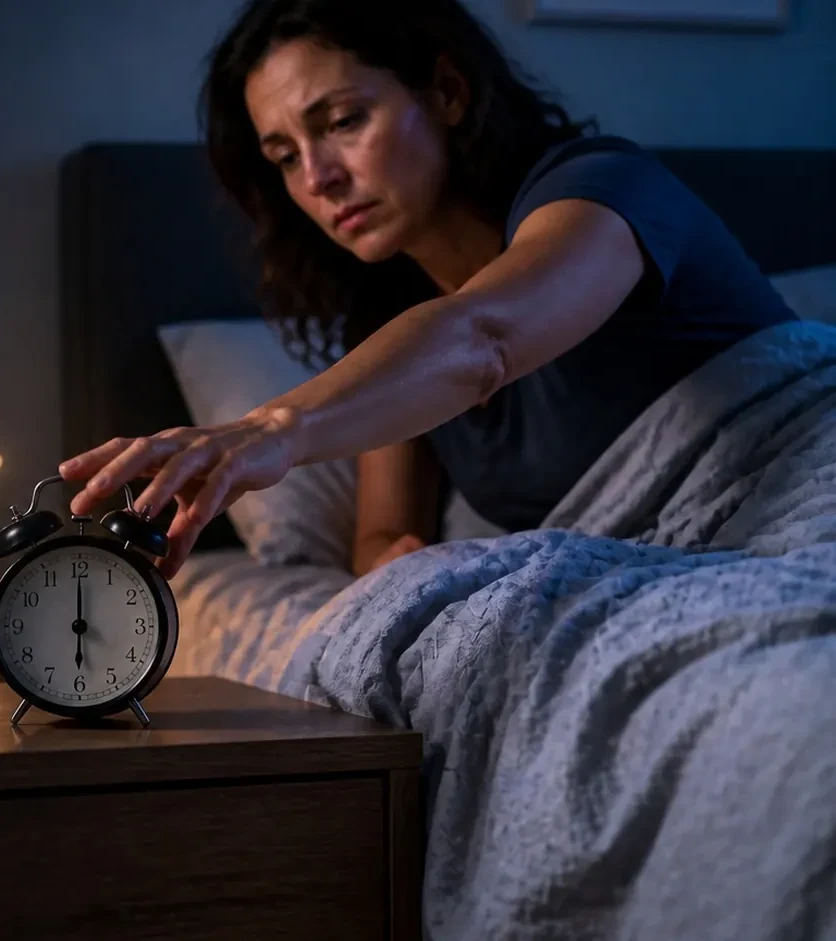
Here’s the catch. Extra sleep on the weekend doesn’t seem to undo all the damage of a short-sleep week, and it can create a new problem of its own.
It doesn’t fully fix sleep debt
In the 2019 Current Biology study, healthy young adults slept about 5 hours a night during a simulated workweek, then were allowed to sleep as much as they wanted over the weekend. They only slept a little longer than usual on those two days. Once short sleep started again on Monday, their late-night snacking went back up, they gained weight, and their insulin sensitivity dropped. The researchers concluded that weekend recovery sleep isn’t an effective way to prevent the metabolic effects of not sleeping enough during the week. The National Heart, Lung, and Blood Institute also notes that ongoing sleep deficiency is linked to health problems like heart disease, high blood pressure, and diabetes.
It causes social jet lag
When your wake-up time jumps from 6 a.m. on Friday to 10 a.m. on Saturday, your body clock gets a mixed signal. Researchers call this social jet lag, because it’s a lot like flying a few time zones west every weekend, then flying back on Monday. A 2022 review in Clinics in Chest Medicine explains that people often sleep 2 to 3 extra hours on free days, which shifts their schedule much like travel jet lag, and that social jet lag is linked to poorer heart and metabolic health.
You can feel this shift. Sleeping until 10 means you won’t feel sleepy at your usual bedtime on Saturday or Sunday night. You stay up later, sleep in again, and by Sunday night your body clock is set a couple of hours behind. That’s a big reason so many people can’t sleep on Sunday night and feel awful on Monday morning. To understand the clock behind it, see our guide to your circadian rhythm.
Too much sleep can leave you groggy
Very long sleep sessions can leave you with a heavy, foggy feeling known as sleep inertia. If you regularly need 10 or more hours to feel okay, that can be a sign of a bigger sleep issue. Learn more in our guide to oversleeping.
How Much Should You Sleep In?
A good rule of thumb is to keep your weekend wake-up time within about an hour of your weekday wake-up time. That gives you some extra rest without throwing off your body clock. The Sleep Foundation says that while more sleep on weekends can be helpful, keeping a consistent sleep schedule every night of the week is likely better.
| If your weekday alarm is | Try waking up on weekends by | Avoid sleeping past |
|---|---|---|
| 6:00 a.m. | 7:00 a.m. | 8:30 a.m. |
| 6:30 a.m. | 7:30 a.m. | 9:00 a.m. |
| 7:00 a.m. | 8:00 a.m. | 9:30 a.m. |
| 7:30 a.m. | 8:30 a.m. | 10:00 a.m. |
If you’re really wiped out, a short early-afternoon nap is a better way to get extra rest than a very late wake-up. Keep it to about 20 minutes and finish before mid-afternoon. Our guide on how long a nap should be has the details.
7 Ways to Sleep In the Smart Way
- Go to bed a little earlier on Friday. An earlier bedtime gets you extra sleep without moving your wake-up time.
- Cap your lie-in at about an hour. Set a gentle alarm if you need one.
- Get morning light fast. Open the curtains, step outside, or eat breakfast by a bright window soon after waking. Morning light anchors your body clock.
- Nap instead of sleeping until noon. A short early-afternoon nap tops you up without pushing back your bedtime.
- Keep Sunday night calm and consistent. Start your usual wind-down at your usual time, even if you don’t feel sleepy yet.
- Watch late-night screens and caffeine. Weekend movie marathons and late coffee make it harder to fall asleep on time.
- Fix the weekday problem. If you need big lie-ins every weekend, you’re probably not getting enough sleep during the week. Moving your weekday bedtime 15 to 30 minutes earlier can make a real difference.
How to Get Back on Track After a Late Weekend
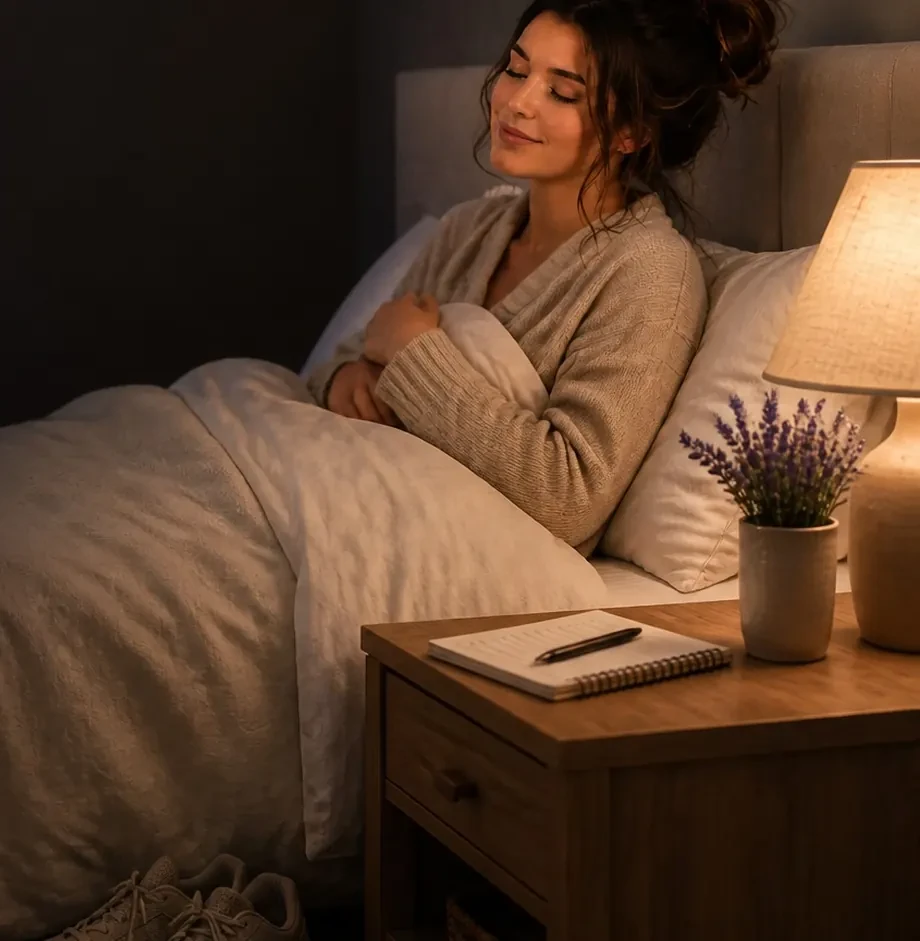
Holiday weekends, late parties, and travel happen. If your weekend schedule slips, here’s how to reset it:
- Get up at your normal weekday time on Monday, even if you slept poorly.
- Get bright light as early as you can, and skip the snooze button. Here’s how to stop hitting snooze.
- Avoid long naps that day, and keep caffeine to the morning.
- Go to bed at your usual time, or a little earlier if you’re tired.
If your whole schedule has drifted, our step-by-step plan for how to reset your sleep schedule in one week can help.
The Bottom Line
Sleeping in on weekends isn’t all bad. If you’re short on sleep, an extra hour can help you feel better, and research suggests catch-up sleep may be better than staying sleep-deprived. But a lie-in can’t fully erase a week of too little sleep, and sleeping in for hours sets your body clock back, leading to Sunday night insomnia and rough Mondays. The best plan is a steady schedule all week, with weekend wake-ups within about an hour of your usual time, plenty of morning light, and a short nap if you need more rest.
FAQ: Sleeping In on Weekends
Is it bad to sleep in on weekends?
Not if you keep it modest. Sleeping in about an hour can help you catch up on some rest. Sleeping in for several hours can throw off your body clock and make it harder to sleep on Sunday night.
Can you catch up on sleep on the weekend?
Partly. Extra weekend sleep can help you feel better, but research shows it doesn’t fully reverse the effects of short sleep during the week, especially on weight and blood sugar.
What is social jet lag?
Social jet lag is the gap between your sleep timing on workdays and free days. Sleeping in for hours on weekends shifts your body clock, a lot like traveling across time zones.
How late should I sleep in on a Saturday?
Try to wake up within about an hour of your normal weekday time. If your alarm is at 6:30 a.m., aim to be up by about 7:30 a.m.
Is a nap better than sleeping in?
Often, yes. A short nap of about 20 minutes in the early afternoon can give you extra rest without pushing back your bedtime that night.
This article is for general information only and isn’t a substitute for medical advice. If you feel very sleepy during the day even after plenty of sleep, or you regularly need 10 or more hours of sleep, talk to a doctor about possible sleep disorders.
General guidance, not medical advice. If a sleep problem persists or gets worse, speak to a qualified clinician. Medical disclaimer