
You probably wash your sheets on a regular schedule, but when was the last time you cleaned the mattress underneath them? For most of us, the honest answer is “never” or “when I moved in.” That’s understandable. A mattress is big, heavy, and can’t go in the washing machine.
The good news is that cleaning a mattress is easier than it sounds. With a vacuum, some baking soda, and a few household supplies, you can freshen it up, lift most stains, and help it last longer. This guide walks you through a simple step-by-step method, how to handle common stains, how often to do it, and the easy habits that keep your mattress cleaner between deep cleans.
Quick Summary
- Clean your mattress about every 6 months, and treat spills right away before they set.
- The basic method: strip and wash the bedding, vacuum, spot-clean stains, sprinkle baking soda, let it sit, and vacuum again.
- Use as little liquid as possible. Blot with a cloth instead of spraying the mattress, especially with memory foam.
- A washable mattress protector is the single easiest way to keep sweat, spills, and dust mites out.
- Some problems need more than cleaning. Widespread mold or a bed bug infestation calls for a different plan.
Why Your Mattress Needs Cleaning
Your mattress works hard every night, and it collects more than you can see. The Sleep Foundation notes that over time a mattress can build up dead skin, dust mites, dirt, and more. Regular cleaning helps your bed last longer and can cut down on allergy triggers.
Dust mites are a big part of the story. The American College of Allergy, Asthma and Immunology (ACAAI) describes them as tiny bugs that live in bedding, mattresses, upholstered furniture, and carpets. It also points out that no matter how clean your home is, you can’t get rid of dust mites completely. What you can do is limit your contact with them, and the bedroom is the best place to start.
There’s a practical reason too. The Sleep Foundation’s mattress care guide says virtually all mattress warranties include a clause that voids the warranty if the mattress is dirty. Keeping yours clean protects your sleep and your investment.
What You’ll Need
You don’t need special equipment. The Sleep Foundation recommends gathering these supplies before you start:
- A vacuum with an upholstery attachment
- Baking soda
- Clean rags or towels
- Cold water
- A gentle, bleach-free, unscented laundry detergent
- Dish soap or an enzyme cleaner for stains
Go easy on cleaning products. Harsh cleaners can damage mattress fabric, and it’s hard to fully rinse detergent out of a mattress. That’s why mild, low-scent products are the safer choice.
Timing tip: Start first thing in the morning. The Sleep Foundation suggests letting baking soda work for 8 hours or more if you can, which means you’ll want the whole day before you need the bed again. The day before an overnight trip works well too.
How to Clean a Mattress Step by Step
This method is based on the Sleep Foundation’s recommended process. Plan on a few hours of mostly hands-off time.
1. Strip the bed and wash everything
Take off the sheets, pillowcases, blankets, and mattress protector. Wash them while you work on the mattress. Hot water helps against dust mites, but always follow the care label to avoid shrinking or fading. If you’re not sure how often each layer of your bed needs washing, our guide on how often you should wash your sheets has a simple schedule.
2. Look for stains and odors
Check the whole surface, including the sides, for stains, discoloration, and smells. Make a mental note of any spots that need extra attention.
3. Vacuum the entire mattress
Use the upholstery attachment and go slowly over the top and sides. Stretch the fabric gently along the seams and edges, where dust and debris like to collect.
4. Spot-clean any stains
Here’s the blotting method the Sleep Foundation recommends:
- Put a small amount of cleaning solution on a clean cloth.
- Gently blot the stain. Don’t rub.
- Dampen a different clean cloth with cold water.
- Blot the area again to lift out the cleaner.
- Repeat until the stain fades.
The key is to use as little liquid as possible and never pour or spray cleaner directly onto the mattress. Always apply it with a cloth. Let the area dry completely before moving on.
5. Sprinkle baking soda over the surface
Once the mattress is dry, spread a thin layer of baking soda over the whole top. Baking soda helps absorb moisture and neutralize odors. Leave it for at least a few hours, and longer if you can. Open a window to get some air moving.
6. Vacuum again
Use the upholstery attachment to vacuum up all the baking soda. If the mattress was very dirty, you can repeat the baking soda step, though most of the time once is enough.
7. Do the other side if your mattress flips
Flip the mattress and repeat the vacuum, spot-clean, and baking soda steps. The underside may not look dirty, but it can still hold dust and moisture. If your mattress isn’t designed to be flipped, you can still clean the underside carefully without putting too much pressure on it.
8. Remake the bed
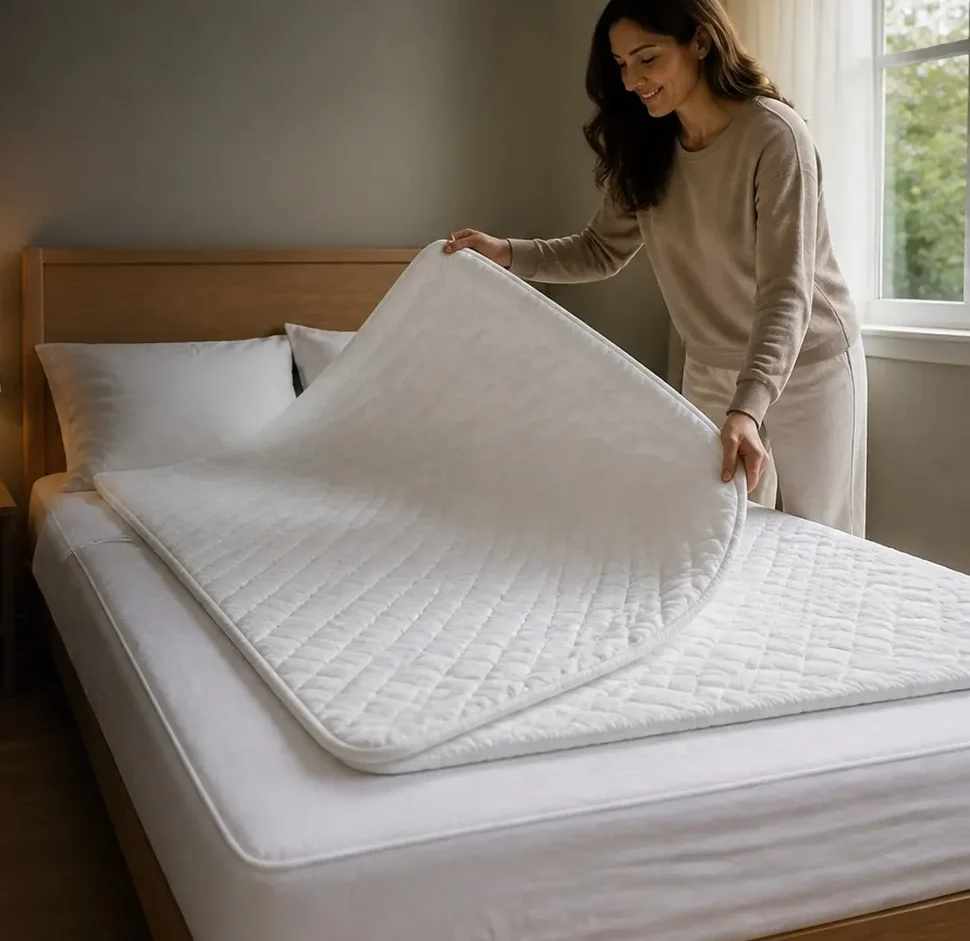
Put on a clean mattress protector and fresh sheets once everything is completely dry.
How to Get Common Stains Out of a Mattress
The right cleaner depends on the type of stain. Using the Sleep Foundation’s guidance, here’s a quick cheat sheet:
| Stain type | What to try | Tips |
|---|---|---|
| Sweat, urine, blood, or other body fluids | A commercial enzyme cleaner, or the foamy suds from dish soap and water | Use cold water and blot gently. Work quickly before the stain sets. |
| Other stains | A 1:1 mix of cold water and hydrogen peroxide | Test on a small hidden spot first, and use as little as possible. |
| General odors | Baking soda left on the surface for several hours | Open a window for airflow, then vacuum thoroughly. |
| Fresh spills | Blot right away with a dry cloth, then spot-clean | Don’t let liquid soak deeper into the mattress. |
Some stains may need more than one round or more than one type of cleaner. Be patient and keep the mattress as dry as you can between attempts.
Cleaning a memory foam mattress
The process is mostly the same for memory foam. The big difference is moisture. The Sleep Foundation notes that memory foam isn’t designed to get wet, so use even less cleaning solution and give it plenty of time to dry. If you have a foam topper, our guide to choosing a mattress topper covers how toppers differ from protectors.
How Often Should You Clean Your Mattress?
The Sleep Foundation generally recommends cleaning your mattress about once every 6 months. If you spill something, clean it right away before it sets. You may be able to clean less often if you use a good mattress protector.
You might want to clean more often if:
- You have dust mite allergies or asthma
- Your pets sleep in your bed (here’s more on sleeping with your pet)
- You sweat a lot at night. If that’s you, our tips on how to stop overheating at night may help
- Someone in the house has been sick or there’s been an accident
A good rule of thumb is to pair your mattress cleaning with another seasonal chore, like changing your clocks in the spring and fall, so it doesn’t slip your mind.
Simple Habits That Keep Your Mattress Clean Longer
Deep cleaning twice a year is easier when you don’t let grime build up in between. These everyday habits from the Sleep Foundation make a big difference:
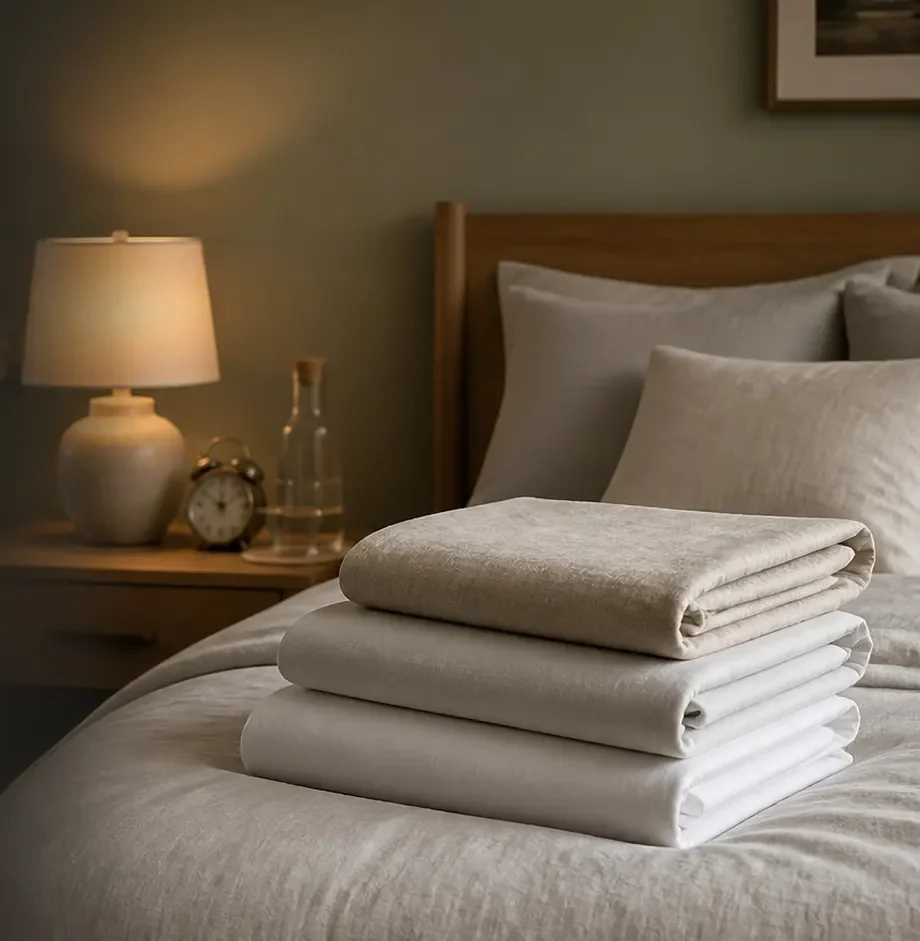
- Use a mattress protector. A protector fits under your fitted sheet and acts as a barrier against dirt, sweat, dust mites, and moisture. Most are machine washable. Waterproof versions can also help prevent mold and mildew by keeping the mattress dry.
- Wash your sheets weekly. Sweat, body oils, and dirt on your bedding can gradually seep into the mattress. Washing sheets and pillowcases at least once a week, or more often if pets share your bed, keeps that buildup down.
- Don’t eat or drink in bed. It’s the easiest way to avoid stains in the first place.
- Rotate when your manufacturer recommends it. The Sleep Foundation says foam, latex, and newer innerspring mattresses are usually rotated every 6 to 12 months, and older innerspring models every 2 to 6 months. Some mattresses, like zoned designs, shouldn’t be rotated, so check your manufacturer’s instructions.
- Add allergy covers if you need them. ACAAI recommends special dust-proof covers for pillows, mattresses, and box springs, plus washing bedding in hot water of at least 130 degrees Fahrenheit, to limit dust mite contact.
If you’re setting up a cleaner, calmer bedroom overall, our guide to creating the perfect sleep environment covers airflow, bedding, and more.

When Cleaning Isn’t Enough
Some problems are bigger than a baking soda refresh.
Mold or mildew
If you see mold on your mattress, be cautious. The U.S. Environmental Protection Agency (EPA) explains that porous materials may have to be thrown away if they become moldy, because mold can grow in the empty spaces of these materials and be difficult or impossible to remove completely. A mattress is a porous item, so widespread mold is usually a sign it’s time for a replacement. Fix the moisture source, such as a leak or a damp room, so it doesn’t happen again.
Bed bugs
Cleaning alone won’t solve a bed bug problem. The EPA recommends a protective cover that encases mattresses and box springs to eliminate many hiding spots, frequent vacuuming, and reducing clutter. It also notes that a dryer on high heat can kill bed bugs. If you think you have an active infestation, reach out to a pest management professional.
Signs it’s time for a new mattress
According to the Sleep Foundation, a mattress lasts 7 to 10 years on average, though that varies by type and use. Waking up with pain or stiffness, tossing and turning, or not feeling rested can all suggest it’s time to shop. Our guide on how to choose a mattress can help you pick the next one.
The Bottom Line
Cleaning a mattress doesn’t take special tools or much effort. Strip and wash the bedding, vacuum carefully, blot stains with a little cleaner, let baking soda sit, and vacuum again. Do it about twice a year, treat spills right away, and use a washable protector to make every future clean easier. Your mattress will stay fresher, last longer, and give you a cleaner place to sleep every night.
FAQ: Cleaning Your Mattress
Can I use vinegar to clean a mattress?
The Sleep Foundation’s mattress care guide lists vinegar among the options you may try for certain stains, along with dish soap, a hydrogen peroxide solution, or an enzyme cleaner. Whatever you use, apply it with a cloth, use as little as possible, and let the mattress dry completely.
How long should baking soda sit on a mattress?
At least a few hours. If you have the time, the Sleep Foundation suggests letting it sit for 8 hours or more, which is why starting in the morning works well.
Can I steam clean a mattress?
Many mattresses aren’t designed to get wet, especially memory foam, so moisture is the main risk. Check your manufacturer’s care instructions before using a steamer.
Should I clean a brand-new mattress?
A new mattress doesn’t need a deep clean. Put a mattress protector on it from day one to keep it clean from the start.
How do I get rid of a musty smell?
Air out the room, sprinkle baking soda across the surface, let it sit for several hours, and vacuum. If the smell comes from mold or moisture inside the mattress, cleaning may not fix it.
This article is for general information. Always follow your mattress manufacturer’s care instructions, since some cleaning methods can affect your warranty. If you have allergies or asthma, talk with your healthcare provider about the best ways to reduce triggers at home.
General guidance, not medical advice. If a sleep problem persists or gets worse, speak to a qualified clinician. Medical disclaimer