How to Fall Asleep After a Busy Social Day
A people-heavy holiday day can leave you tired and too wired to sleep. Here's how to wind down, park leftover conversations and fall asleep after social time.

After a long day with family, friends or a house full of conversation, your body can feel worn out while your brain is still buzzing. That mix is common on holiday weekends. You finally sit down, the house gets quiet, and sleep does not come as easily as you expected.
You are not doing anything wrong. A people-heavy day is stimulating, even when it is happy. Voices, decisions, travel, leftover tension and a later-than-usual bedtime can all stack up. The goal is not to force an instant shutdown. It is to give your nervous system a clear off-ramp.
Quick Summary
- Social tiredness is not the same as sleepiness. You can feel drained and still be too wound up to fall asleep right away.
- Build a buffer between people time and bedtime. Even 20 to 30 quiet minutes helps your brain change gears.
- Lower the stimulation, not just the lights. Dim rooms help, but so do fewer conversations, quieter screens and a simpler wind-down.
- Write down leftover thoughts. A short brain dump can keep family talk from following you into bed.
- Keep your wake time steady the next morning. One late night is easier to absorb than a fully flipped weekend schedule.
- If you are still awake after about 20 minutes, get up. A calm reset beats watching the clock.
Why a Busy Social Day Can Keep You Awake
Being around people takes energy. You listen, respond, read the room and often hold back things you would rather not say at the table. That is work for your brain, even if the day was full of laughter.
The link between holiday stress and sleep is not only about arguments or packed calendars. Pleasant overstimulation counts too. Your body may have been on high alert for hours: new faces, kids running through the house, a television in the background, a later meal and a later drive home.
Light and timing add to the problem. If you stayed up talking in a bright kitchen, your circadian rhythm got a late “it is still daytime” signal. The Sleep Foundation notes that light is one of the strongest cues for the body clock. A dim, quieter close to the evening helps that cue flip toward sleep.

Give Yourself a Landing Pad After People Time
The hardest moment is often the handoff from “on” to “off.” If you go from a loud living room straight under the covers, your mind may keep replaying the day. Build a short landing pad instead.
This can look like the first part of a cozy night routine: change into comfortable clothes, wash your face, put a glass of water by the bed and sit in a dim room for a few minutes. If you live with the people you just spent the day with, you may need to say, kindly, that you are heading to wind down. A simple “I’m going to get ready for bed” is enough.
Keep this buffer free of new decisions. Do not start a serious conversation, open email or scroll through photos from the day. Those all ask your brain to stay social. The point is to let the day end.
Calm the Body Without Forcing Sleep
If your shoulders are up by your ears, a little body work helps more than another pep talk. Try a short stretch, a warm shower or a round of 4-7-8 breathing. Slow exhales tell your nervous system that the event is over.
A warm drink can be part of the cue, as long as it is caffeine-free and not a heavy leftover snack. Herbal tea or warm milk is plenty. Then keep the room cool, dark and quiet enough that your body recognizes the usual sleep setting, even if the day itself was unusual.
Park the Leftover Conversations
Holiday days leave mental tabs open. You may keep hearing a joke, a tense comment or a to-do you promised someone. That loop is a close cousin of overthinking at night.
Write the leftovers down. One page is enough: what went well, what bothered you and anything you need to handle tomorrow. Once it is on paper, your brain does not have to keep holding it. If a conversation still feels unfinished, put a time on the calendar for later instead of solving it at midnight.
If you share a bed and want to rehash the day, set a limit. Ten minutes of talking, then lights down, is kinder to both of you than a late post-game that runs until 1 a.m.
Watch the Clock, Caffeine and “One More Episode”
A late social day often comes with late coffee, leftover dessert or a show “to decompress.” All three can push sleep further out. If you need a cutoff, choose what time you should go to bed based on tomorrow’s wake time, then count backward.
You do not have to make the night perfect. You do have to stop adding stimulation once you are trying to sleep. That includes checking group chats from the gathering and rewatching videos from the afternoon.
If You Cannot Fall Asleep
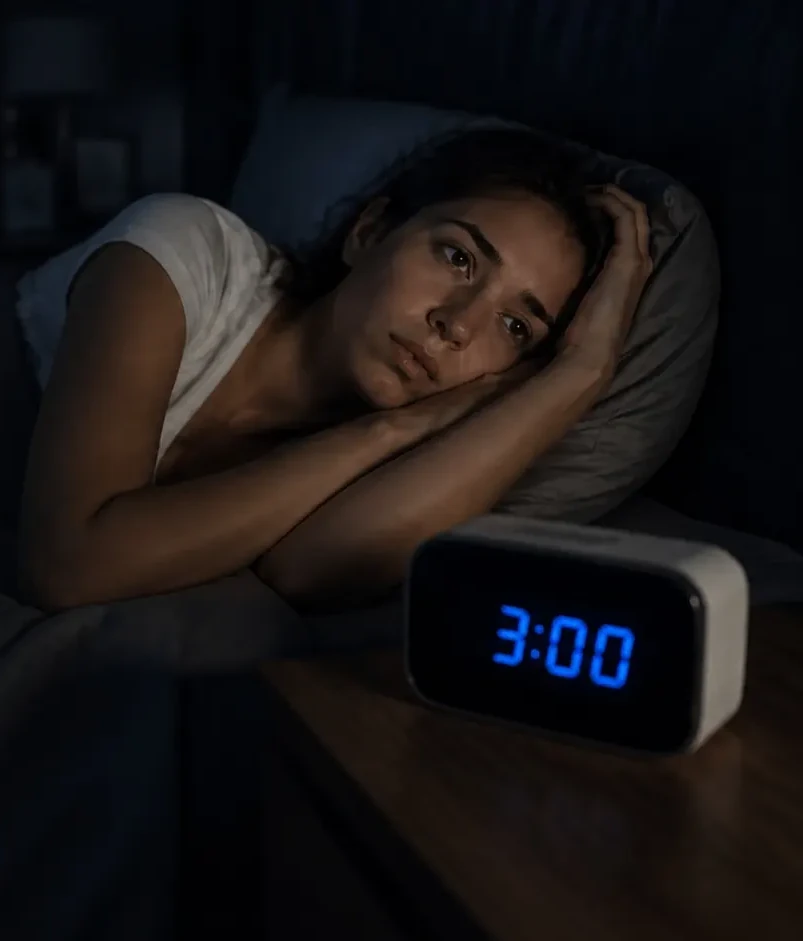
If you have been in bed for about 20 minutes and feel more alert, not less, get up. Sit in low light and do something quiet and uninteresting: a dull paperback, gentle stretching or just sitting. Go back to bed when you feel sleepier. This is better than turning the night into a struggle.
The next morning, get up close to your usual time if you can. One short night is easier to recover from than a weekend of late nights and late mornings. For a holiday-weekend reset, holiday sleep tips can help you keep the damage small without skipping the parts of the weekend you care about.
What About a Short Nap the Next Day?
If the social day ran late, a short afternoon nap can take the edge off, but a long one can make the next night harder. Keep it to 20 or 30 minutes and finish it well before evening. Your main recovery tool is still a calmer bedtime and a steady wake time, not a second sleep that lasts until late afternoon.
The same goes for caffeine the next morning. A normal cup of coffee is fine. A giant late-morning refill can push the following night later, which is how one busy holiday day turns into three off nights.
A Simple Wind-Down After a People-Heavy Day
- Say goodnight and leave the main gathering 20 to 30 minutes before you want to be asleep.
- Dim the lights, change clothes and put tomorrow’s basics in one place so your brain can close the day.
- Write down leftover thoughts or tasks in a few lines, then close the notebook.
- Use a short breathing or stretching routine instead of another conversation or a bright screen.
- Keep your wake time the next morning as close to normal as the day allows.
A busy social day can be worth the tiredness. Sleep still needs a clear ending to that day. If you give your brain a quieter last half hour, you are much more likely to feel human in the morning.
General guidance, not medical advice. If a sleep problem persists or gets worse, speak to a qualified clinician. Medical disclaimer