Sleeping With Contacts In: Risks and What to Do If You Did
Fell asleep with contacts in? Learn why sleeping in lenses raises your risk of eye infection, how to remove stuck contacts safely, and when to see a doctor.
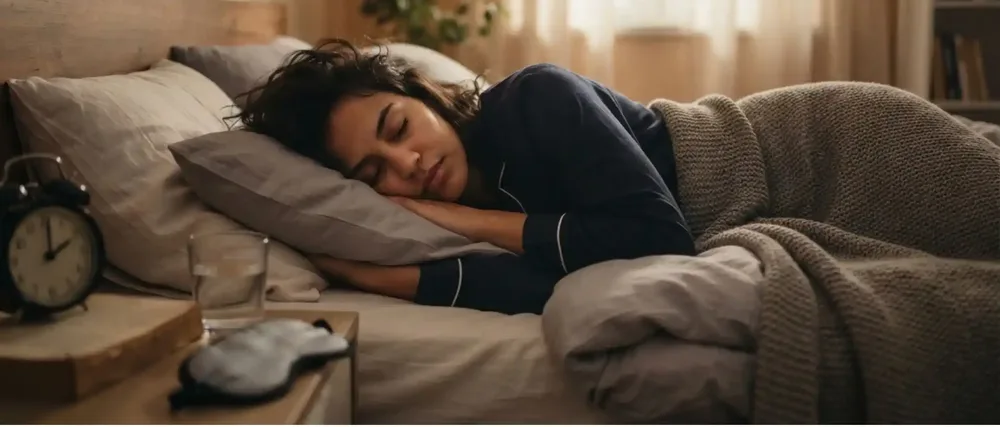
You meant to take them out. Then you lay down “just for a minute,” and now it’s morning, your eyes feel gritty and your lenses are glued in place. Sleeping with contacts in happens to a lot of people, especially during busy weeks, long flights and holiday travel.
So how bad is it really? Eye doctors and the CDC are clear that it’s a habit worth breaking. Here’s why, what to do if you’ve already slept in your lenses, and the warning signs that mean you should call your eye doctor.
Quick Summary
- Sleeping in contacts raises your risk of eye infection. The CDC says the risk goes up six- to eightfold.
- Even naps count. Any sleep in lenses increases the risk of irritation and infection.
- “Overnight” lenses aren’t risk-free. Only sleep in lenses if your eye care provider has told you to.
- If you slept in them, don’t yank them out. Blink, add lens solution and remove them gently.
- Pain, redness, blurry vision or light sensitivity? Take your lenses out and see your eye doctor promptly.
Is It Bad to Sleep With Contacts In?
Yes. The CDC advises contact lens wearers to avoid sleeping in lenses unless directed by an eye care provider. In a 2018 CDC report, the agency noted that sleeping in contact lenses increases the risk of contact lens–related eye infections six- to eightfold, and that roughly one in three wearers report sleeping or napping in their lenses.
The American Academy of Ophthalmology (AAO) lists sleeping in your contacts among the causes of contact lens–related infections and puts it simply: never sleep in your contact lenses.
Why Sleeping in Contacts Is Risky
Your cornea gets less oxygen
The clear front surface of your eye, the cornea, gets oxygen from the air through your tear film. Cleveland Clinic explains that closed eyes already reduce that supply during sleep, and a lens adds another barrier. Without enough oxygen, corneal cells can be damaged, which can cause redness, blurry vision, light sensitivity and pain.
Germs get trapped against your eye
Lenses can trap bacteria and other microorganisms against the cornea, giving them a place to multiply. That’s how a common slip-up can turn into keratitis, an infection of the cornea that the AAO calls the most common eye infection from contact lenses. In some cases it can scar the cornea and affect vision, and the CDC report describes cases that needed surgery or caused permanent eye damage.
Your eyes dry out
Your eyes make fewer tears during sleep, and lenses can absorb moisture, according to Cleveland Clinic. That’s why lenses often feel stuck and scratchy in the morning, and why pulling them out roughly can irritate your eye further.
Lenses can shift
Cleveland Clinic notes that your eyelids move during sleep, and rubbing your eyes can push a lens out of place, which may lead to irritation or scratches.
What About Extended-Wear Contacts?
Some lenses have FDA approval for overnight wear. Even so, the CDC says sleeping in any type of contact lens increases the risk of eye infection, and Cleveland Clinic points out that extended-wear lenses don’t work for everyone’s eyes. The bottom line: follow the wearing schedule your eye care provider gave you, and don’t assume a lens is safe to sleep in because the box says “extended wear.”
What to Do If You Fell Asleep With Contacts In
It happens. Don’t panic, and don’t tug. Cleveland Clinic suggests these steps:
- Wash and dry your hands before touching your eyes.
- Blink and gently massage your closed eyes to get moisture moving.
- Add a few drops of contact lens solution if the lenses feel dry or stuck, then blink a few times.
- Gently slide the lens out. If it won’t budge, wait a minute and add more drops rather than pulling.
- Give your eyes a break. Wear your glasses for the rest of the day if you can.
- Watch for symptoms like redness, extra watering or discharge, and call your eye doctor if they show up.
If you wear daily disposables, throw that pair away. For reusable lenses, clean and store them in fresh solution as directed.

7 Habits That Make It Easier to Take Contacts Out
Most people don’t sleep in their lenses on purpose. These habits make removal part of your night instead of an afterthought.
1. Take them out early in your wind-down
Remove your lenses as one of the first steps of your evening routine, not the last. Pair it with washing your face or brushing your teeth. If you’re building a routine from scratch, our cozy night routine is a good template.
2. Keep your glasses by the bed
If your glasses are on the nightstand, you’re less tempted to keep lenses in to read or scroll in bed.
3. Pack a lens kit when you travel
Long flights, road trips and overnight buses are prime time for accidental naps. Carry a travel case, a small bottle of solution and your glasses, and take your lenses out before you settle in. Our guides on how to sleep on a plane and sleeping on an overnight train or bus have more travel tips.
4. Plan your naps
Cleveland Clinic says even a short nap in contacts increases your risk. If you know you’ll nap, swap to glasses first. See how long a nap should be for timing.
5. Watch out on late, tired nights
Exhaustion makes it easy to crash with lenses in. On nights when you know you’re running on empty, take them out as soon as you get home. If you’re short on sleep, these tips on how to function on little sleep can help you get through the next day.
6. Follow the lens care basics
The AAO recommends rubbing and rinsing lenses with fresh store-bought solution, never topping off old solution, replacing your lens case at least three times a year and replacing lenses on schedule. The CDC also advises washing and drying your hands before handling lenses.
7. Set a reminder
A recurring phone alarm about an hour before bed labeled “contacts out” sounds simple, but it works. You can bundle it with other bedtime cues, like dimming the lights.
Warning Signs to Watch For
According to the AAO, symptoms of a contact lens–related eye infection include:
- Blurry vision
- Unusual redness of the eye
- Eye pain
- Tearing or discharge
- Being extra sensitive to light
- Feeling like something is in your eye
If you notice any of these, take your lenses out and see your eye doctor as soon as possible. Some infections can cause serious vision loss, so this isn’t a wait-and-see situation.
The Bottom Line
Sleeping with contacts in, even for a nap, raises your risk of eye infections, dryness and irritation. If it happens once, remove the lenses gently with extra drops, give your eyes a day off and watch for symptoms. To keep it from becoming a habit, take lenses out early in your evening routine, keep glasses by the bed and pack a lens kit for travel. For more on habits that affect how you look and feel in the morning, read about sleeping with makeup on.
FAQ: Sleeping With Contacts In
What happens if you sleep with contacts in once?
Many people wake up with dry, irritated eyes and lenses that are hard to remove. Even one night raises the risk of infection, so remove them gently, rest your eyes and see an eye doctor if you have pain, redness, discharge or blurry vision.
Is it OK to nap with contacts in?
It’s best not to. Cleveland Clinic says falling asleep for any amount of time increases the risk of irritation or infection. Take them out before a planned nap.
Can I sleep in contacts that are approved for overnight wear?
Only if your eye care provider has prescribed that schedule for you. The CDC notes that sleeping in any type of contact lens increases the risk of infection.
Why do my contacts feel stuck after sleeping in them?
Your eyes make fewer tears during sleep and lenses can dry out. Add a few drops of contact lens solution, blink and wait a minute before gently removing them.
This article is for general information only and isn’t medical advice. If you have eye pain, redness, discharge, light sensitivity or changes in vision, remove your lenses and contact an eye care provider promptly.
General guidance, not medical advice. If a sleep problem persists or gets worse, speak to a qualified clinician. Medical disclaimer