How to Function on Little Sleep: 10 Ways to Get Through the Day
How to function on little sleep after a late night: get bright light, use caffeine wisely, take a 20-minute nap, keep your day simple and never drive drowsy.

A holiday party ran late, a red-eye flight landed at dawn, the baby was up three times, or your mind just wouldn’t switch off. Now you have a full day ahead on four or five hours of sleep. It happens to everyone, especially during the busy weeks between Thanksgiving and New Year’s.
You can’t fully undo a short night, but you can make the day safer and more manageable. Here’s how to function on little sleep, what to avoid, and how to get back on track tonight.
Quick Summary
- Short sleep slows you down. Expect slower reactions, more mistakes and a shorter fuse, so plan around it.
- Use caffeine wisely. Have it early in the day and stay within the FDA’s 400 milligrams a day for most adults.
- Take a short nap if you can. About 20 to 30 minutes can boost alertness without leaving you groggy.
- Get daylight and move. Bright light and a short walk help you feel more awake.
- Don’t drive drowsy. Coffee alone isn’t enough to make a sleepy driver safe.
What Happens When You Don’t Get Enough Sleep
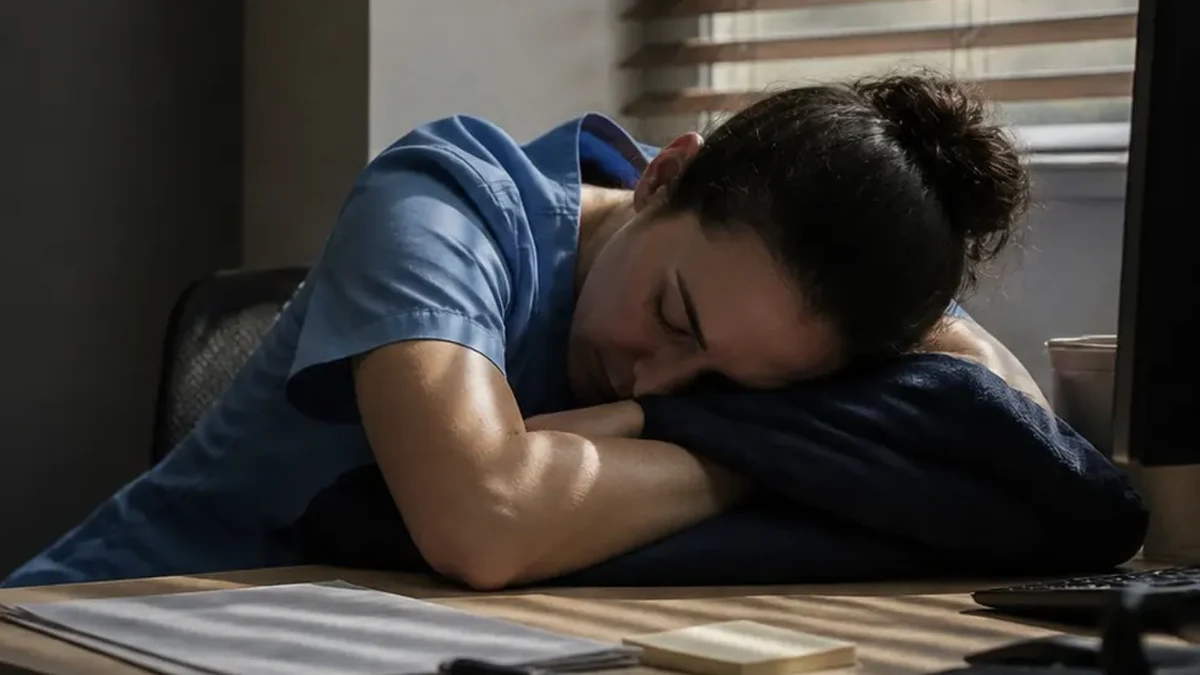
Most adults need 7 or more hours of sleep a night. After a short night, you may feel fine at first, but your brain isn’t at its best. The National Heart, Lung, and Blood Institute explains that sleep deficiency can cause problems with learning, focusing and reacting. You may take longer to finish tasks, react more slowly, make more mistakes, and have a harder time managing your emotions.
The NHLBI also warns about microsleep, brief moments of sleep that happen when you’re normally awake. You can’t control microsleep and you might not notice it, which is why a sleepy person often feels more capable than they really are. Knowing this helps you make smarter choices on a tired day. For how much sleep you really need, see our sleep needs chart by age.
10 Ways to Function on Little Sleep
1. Get bright light first thing
Open the curtains, turn on bright lights, and get outside in daylight as soon as you can. Light is one of the strongest signals to your body clock, and the Sleep Foundation notes that bright light during the day supports a healthy sleep-wake cycle. A morning walk outside also gives you a bit of movement.
2. Have caffeine early and in moderation
Coffee or tea can take the edge off, but more isn’t better. For most adults, the FDA cites 400 milligrams a day, about two to three 12-ounce cups of coffee, as an amount not generally associated with negative effects. Too much can cause jitters, a racing heart and sleep problems. Have your caffeine in the morning and early afternoon so it doesn’t ruin tonight’s sleep. Our guide to caffeine and sleep explains how long it lasts.
3. Take a short nap if you can
A brief nap is one of the most effective ways to feel more alert after a short night. The Sleep Foundation says the ideal nap is 20 to 30 minutes, long enough to refresh you without falling into deep sleep and waking up groggy. Aim for early afternoon so it doesn’t push back your bedtime. See how long a nap should be and our tips on how to nap at work.
4. Move your body
Sitting still makes sleepiness worse. Take short walking breaks, stretch at your desk, or take the stairs. Gentle movement is enough. Skip a punishing workout on a day you’re running on empty.
5. Eat light, steady meals
A huge, heavy lunch can make the afternoon slump worse. Choose smaller meals with protein, fiber and some healthy fat, and keep a few snacks on hand so you’re not reaching for sugar every hour. Drink water through the day too.
6. Do your hardest tasks early
Plan your day around your energy. Tackle work that needs focus in the morning, and save routine tasks like email and tidying for the afternoon dip. If you can, postpone big decisions until you’ve slept.
7. Lower your expectations (on purpose)
This isn’t the day to start a big project or host a dinner party. Cancel one nonessential thing, ask for help where you can, and give yourself permission to do the minimum. Being honest about your limits is how you avoid mistakes.

8. Don’t drive drowsy
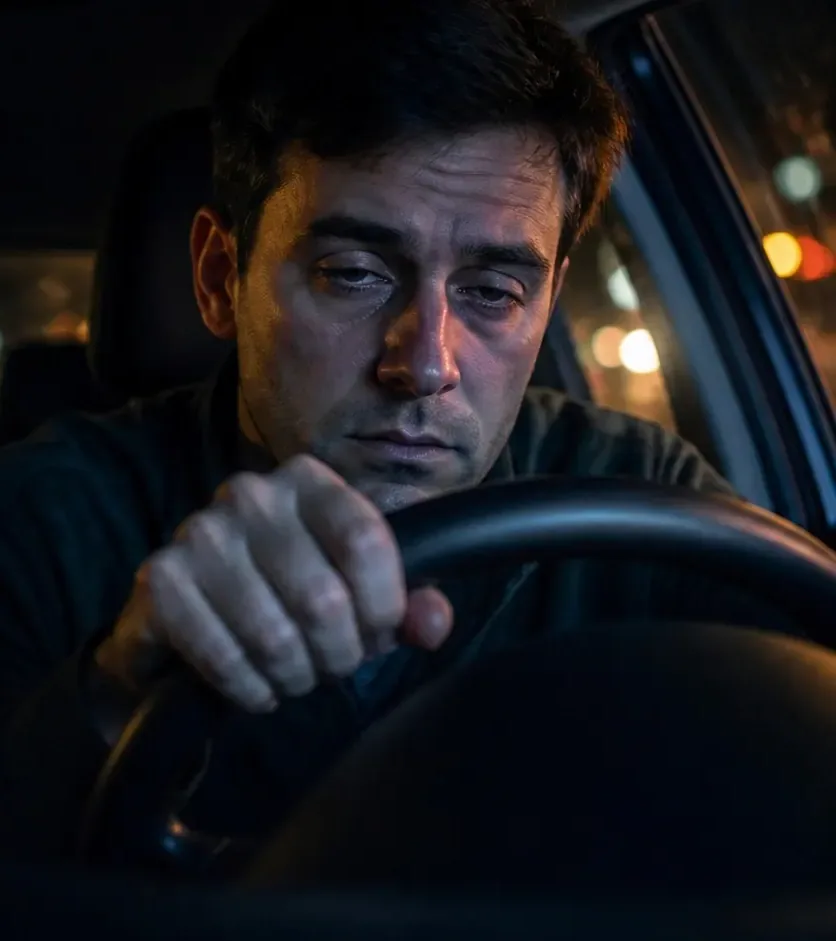
This one matters most. The National Highway Traffic Safety Administration warns that coffee or energy drinks alone are not always enough, because a seriously sleep-deprived driver can still have microsleeps lasting four or five seconds. If you start to feel sleepy behind the wheel, NHTSA suggests drinking one to two cups of coffee and pulling over for a 20-minute nap in a safe place, such as a lighted rest stop, noting this helps only for a short time. Better yet, get a ride or take public transportation. Read more in our guide to drowsy driving.
9. Skip alcohol
A drink might feel relaxing, but alcohol adds to sleepiness. NHTSA notes that alcohol interacts with sleepiness to increase drowsiness and impairment. It also disrupts sleep later in the night, which can set you up for a second bad night. See alcohol and sleep.
10. Protect tonight’s sleep
The best fix for a short night is a good one tonight. Go to bed a little earlier than usual, but not hours early, and keep your wake-up time the same tomorrow. The American Academy of Sleep Medicine recommends a consistent sleep schedule, avoiding caffeine in the afternoon and evening, and turning off electronic devices at least 30 minutes before bed.
Your Low-Sleep Day at a Glance
| Time | What to do |
|---|---|
| Morning | Bright light, a short walk outside, breakfast and your first coffee |
| Late morning | Do the tasks that need the most focus |
| Early afternoon | 20 to 30 minute nap if possible, last caffeine of the day |
| Afternoon | Easy tasks, short movement breaks, water and a light snack |
| Evening | No alcohol, screens off 30 minutes before bed, slightly earlier bedtime |
Can You Catch Up on Lost Sleep?
One short night is usually easy to recover from with a good night or two of normal sleep. Trouble comes when short nights stack up. The NHLBI notes that after several nights of losing even 1 to 2 hours of sleep a night, your ability to function suffers as if you hadn’t slept at all for a day or two. Our guide to sleep debt and catching up on sleep explains how to recover, and how to reset your sleep schedule in one week helps if the holidays have thrown you off.
When to See a Doctor
If you’re regularly getting too little sleep even when you have time to sleep, or you’re very sleepy during the day despite 7 or more hours in bed, talk with a health care provider. Loud snoring, gasping during sleep, or dozing off during the day can point to a sleep disorder that needs treatment. For nights you can’t drift off, see what to do when you can’t sleep at night.
The Bottom Line
A short night happens to everyone, especially during the holidays. Get bright light and movement early, use caffeine wisely, nap for 20 to 30 minutes if you can, keep your day simple, and never drive when you’re drowsy. Then protect tonight’s sleep so one rough day doesn’t turn into a rough week. For more seasonal help, read our holiday sleep tips and holiday stress and sleep.
FAQ: Functioning on Little Sleep
How can I stay awake at work after a bad night’s sleep?
Get bright light and fresh air in the morning, take short walking breaks, have caffeine early in the day, and do your hardest tasks first. A 20 to 30 minute nap at lunch can help if you have a quiet place.
Is it better to sleep for 1 hour or stay up all night?
If you have time for a short sleep, it’s usually better than none. A brief sleep can take the edge off, though you may feel groggy right after waking. Never drive if you’ve had little or no sleep.
How much coffee is too much when I’m tired?
For most healthy adults, the FDA cites 400 milligrams of caffeine a day, about two to three 12-ounce cups of brewed coffee, as an amount not generally associated with negative effects. People vary, and pregnant people should check with their doctor.
Should I go to bed early after a night of little sleep?
Going to bed a little earlier is fine, but keep your wake-up time the same. Going to bed hours early or sleeping in late can shift your body clock and make it harder to get back on schedule.
This article is for general information only and isn’t medical advice. If you often feel very sleepy during the day or have ongoing trouble sleeping, talk with a health care professional. Never drive or operate machinery when you’re drowsy.
General guidance, not medical advice. If a sleep problem persists or gets worse, speak to a qualified clinician. Medical disclaimer