Dry Mouth at Night: Causes and 9 Ways to Wake Up Less Parched
Waking up with dry mouth at night? Learn the common causes, from mouth breathing and medicines to dry winter air, plus 9 simple ways to sleep comfortably.

Waking up at 3 a.m. with a tongue that feels like sandpaper, reaching for the water glass, and doing it all again before morning? Dry mouth at night is common, and it often gets worse in winter when the heat is running and indoor air turns dry.
Saliva does important work while you sleep. It helps protect your teeth and gums, and when there isn’t enough, you can wake up with a sore throat, bad breath and a parched mouth. Here’s what causes dry mouth at night and simple ways to sleep more comfortably.
Quick Summary
- Mouth breathing and snoring are common causes. Sleeping with your mouth open dries it out fast.
- Medicines are a big factor. Hundreds of drugs, including some antihistamines and decongestants, can cause dry mouth.
- Dry winter air makes it worse. A humidifier at night can help.
- Cut back on alcohol, tobacco and late caffeine. They can all dry out your mouth.
- Morning dry mouth with loud snoring can be a sign of sleep apnea. Talk to a doctor if you notice both.
What Is Dry Mouth?
Dry mouth, also called xerostomia, happens when your salivary glands don’t make enough saliva to keep your mouth wet. The National Institute of Dental and Craniofacial Research (NIDCR) explains that saliva helps wash away food particles, aids swallowing, and contains minerals that help keep teeth strong. When dry mouth persists, it raises the risk of tooth decay and mouth infections. The NIDCR also notes that dry mouth is not a normal part of aging.
Common symptoms include a sticky or dry feeling in your mouth, a dry or sore throat, cracked lips, thick saliva, and bad breath. At night, you might notice waking up thirsty, needing water to swallow, or a scratchy throat in the morning.

Common Causes of Dry Mouth at Night
Mouth breathing and snoring
The Mayo Clinic lists snoring and breathing with your mouth open as causes of dry mouth. If a cold, allergies or a stuffy nose force you to breathe through your mouth, you’ll often wake up parched. Our guide on how to sleep with a stuffy nose can help.
Medications
Hundreds of medicines can reduce saliva. Mayo Clinic says those more likely to cause problems include medicines for depression, high blood pressure and anxiety, as well as some antihistamines, decongestants, muscle relaxants and pain relievers. Many people take these at bedtime, which can make nighttime dryness worse. Don’t stop a prescription on your own, but ask your doctor or pharmacist whether a change in dose or timing could help.
Dry indoor air
Heating systems and space heaters can make bedroom air very dry in winter. The NIDCR lists using a humidifier at night as one way to relieve dry mouth symptoms.
Alcohol, tobacco and caffeine
Both Mayo Clinic and the NIDCR note that alcohol and tobacco can dry out your mouth, and the NIDCR adds that caffeine can too. A nightcap or an evening coffee may be part of the problem.
Health conditions
Some conditions can cause dry mouth, including diabetes and Sjögren’s disease, according to the NIDCR. Cancer treatments and nerve damage in the head or neck can affect saliva too.
Sleep apnea
Waking in the morning with a dry mouth or sore throat is one of the daytime symptoms of obstructive sleep apnea listed by the Mayo Clinic, along with loud snoring, pauses in breathing, morning headaches and excessive daytime sleepiness. Women can have different symptoms, as our guide to sleep apnea in women explains.

9 Ways to Stop Waking Up With a Dry Mouth
1. Run a humidifier at night
Adding moisture to the air is one of the simplest fixes, and it’s recommended by the NIDCR. Keep it clean, since a dirty humidifier can spread mold and bacteria. Our guide to sleeping with a humidifier covers placement, humidity levels and cleaning.
2. Sip water through the day
The NIDCR recommends drinking plenty of water and sipping water or a sugarless drink with meals. Staying hydrated during the day helps more than chugging a big glass right before bed, which can lead to bathroom trips. See how much water to drink before bed.
3. Keep a glass of water by the bed
A few small sips when you wake up can ease discomfort and help you fall back asleep. Just keep it to small sips.
4. Breathe through your nose
If allergies or congestion make you a mouth breather, treat the cause. Saline rinses, a clean bedroom, and raising your head with an extra pillow may help. Talk to a doctor if your nose is always blocked. Be cautious with trends like taping your mouth shut, and read our take on mouth taping for sleep first.
5. Tackle snoring
Sleeping on your side, avoiding alcohol close to bedtime and treating congestion can reduce snoring and the mouth breathing that comes with it. See how to stop snoring naturally.
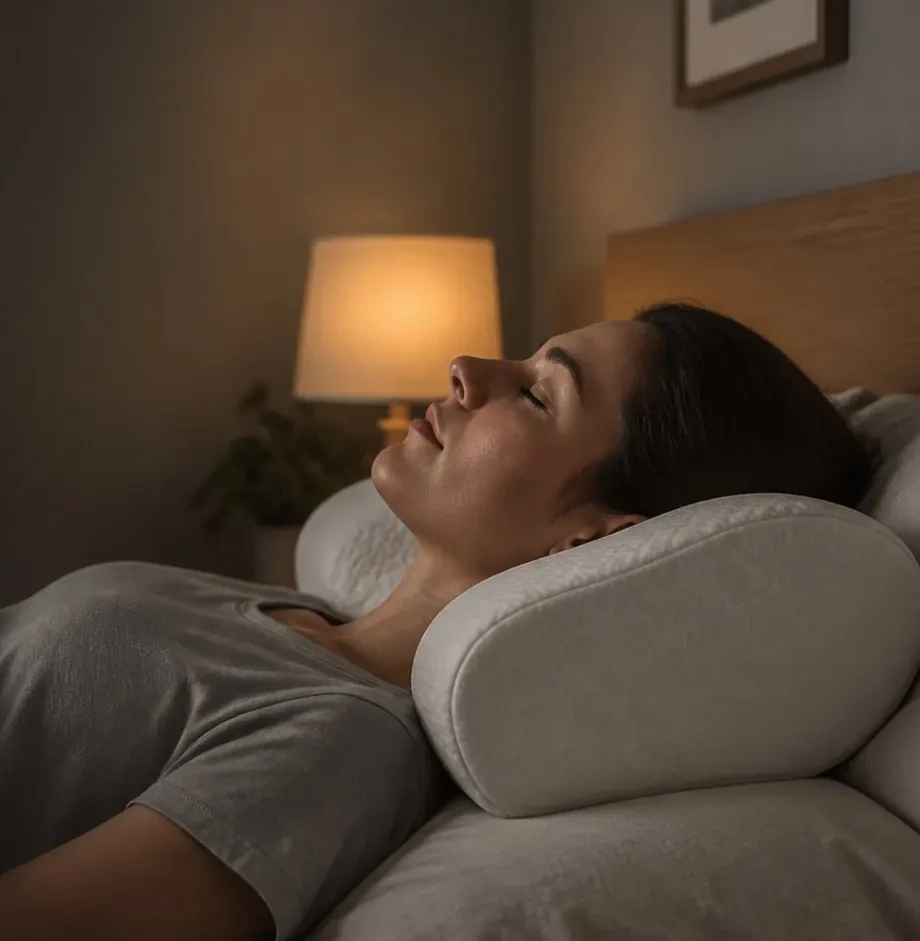
6. Skip the nightcap and evening caffeine
Alcohol and caffeine can both dry out your mouth, and alcohol also makes snoring worse. Stop drinking alcohol a few hours before bed and switch to decaf or herbal tea after lunch. Learn more in alcohol and sleep.
7. Chew sugarless gum or suck on sugarless candy during the day
The NIDCR says sugarless gum or sugarless hard candy can stimulate saliva flow, and products with xylitol may help prevent cavities. Never sleep with gum or candy in your mouth.
8. Ask about your medicines
If dry mouth started after a new prescription, ask your doctor or pharmacist about it. According to the NIDCR, a provider may adjust the medicine or dose, or suggest a saliva substitute or other products to keep your mouth moist.
9. Take extra care of your teeth
Because saliva protects teeth, dry mouth raises your risk of cavities. Brush with fluoride toothpaste before bed, floss daily, and see your dentist regularly. Tell your dentist about dry mouth so they can watch for early problems.
Quick Guide: Causes and Fixes
| Possible cause | What may help |
|---|---|
| Mouth breathing or congestion | Treat congestion, raise your head, sleep on your side |
| Dry winter air | Clean cool-mist humidifier in the bedroom |
| Medicines | Ask your doctor or pharmacist about dose, timing or alternatives |
| Alcohol, tobacco, caffeine | Skip the nightcap, quit tobacco, no caffeine after lunch |
| Loud snoring plus daytime sleepiness | Ask a doctor about a sleep apnea evaluation |
When to See a Doctor or Dentist
See your dentist or doctor if dry mouth doesn’t go away, if it makes chewing, swallowing or talking difficult, or if you notice mouth sores or frequent cavities. Talk to a doctor soon if you also snore loudly, stop breathing or gasp during sleep, wake with headaches, or feel very sleepy during the day, since these can be signs of sleep apnea.
The Bottom Line
Dry mouth at night usually comes down to mouth breathing, dry air, medicines, or habits like a late drink. Start with a humidifier, steady water through the day, treating congestion and snoring, and cutting back on alcohol and late caffeine. If it doesn’t improve, or comes with loud snoring and daytime sleepiness, get checked. For more ways to make your bedroom winter-ready, see sleeping with a space heater on.
FAQ: Dry Mouth at Night
Why do I wake up with a dry mouth every morning?
Common reasons include sleeping with your mouth open, snoring, dry indoor air, medicines, and alcohol before bed. If it happens with loud snoring and daytime sleepiness, ask a doctor about sleep apnea.
Does a humidifier help with dry mouth at night?
It can. The NIDCR lists using a humidifier at night as a way to relieve dry mouth symptoms, especially when winter heating dries out the air. Clean it regularly.
Can dehydration cause dry mouth at night?
Not drinking enough can leave your mouth dry, so sip water throughout the day. But if you drink plenty and still wake up parched, look at other causes like mouth breathing, medicines or dry air.
Is dry mouth at night a sign of diabetes?
Diabetes is one of the conditions that can cause dry mouth, according to the NIDCR. If you also notice increased thirst, frequent urination or other changes, talk to your doctor.
This article is for general information only and isn’t medical or dental advice. If dry mouth lasts, affects eating or speaking, or comes with loud snoring or daytime sleepiness, talk with a doctor or dentist. Don’t stop or change a prescribed medicine without talking to your health care provider.
General guidance, not medical advice. If a sleep problem persists or gets worse, speak to a qualified clinician. Medical disclaimer