Sleeping With Your Eyes Open: Causes, Risks and How to Stop It
Sleeping with your eyes open is called nocturnal lagophthalmos. Learn the common causes, the signs to watch for, the risks to your eyes and how to stop it.
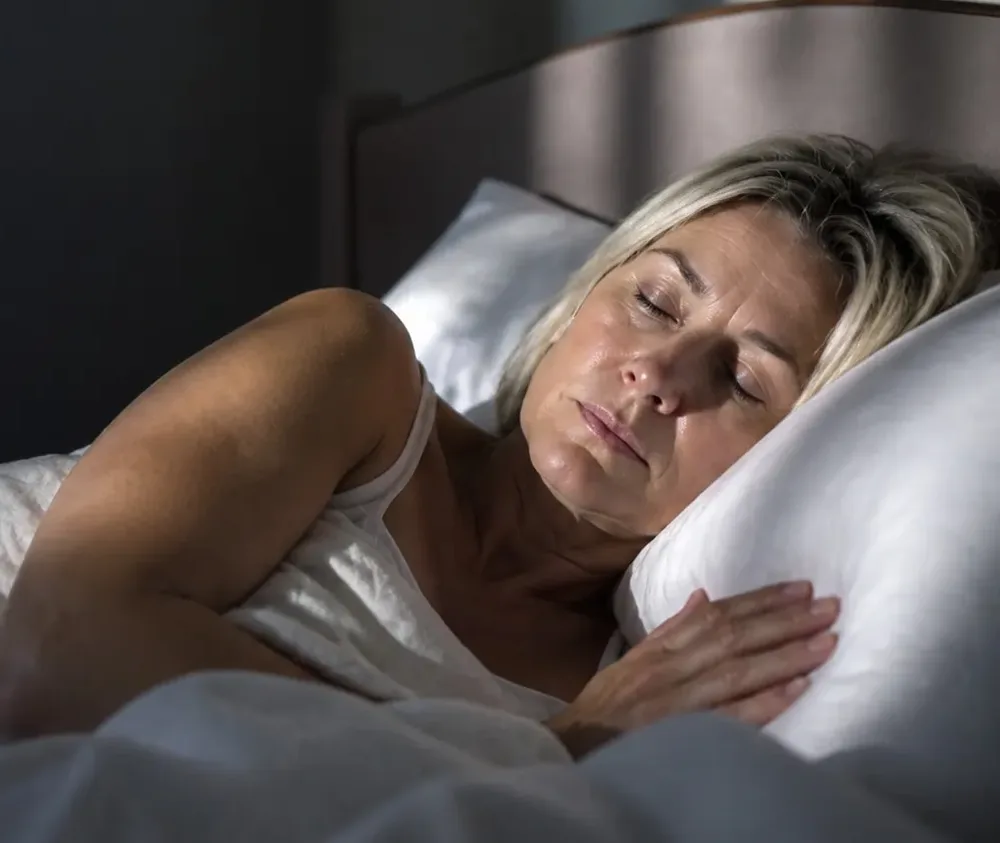
Has your partner ever told you that you sleep with your eyes open? Or do you wake up most mornings with dry, gritty, burning eyes and no clear reason why? It sounds like a party trick, but sleeping with your eyes open is a real condition, and it’s more common than most people think.
Here’s what causes it, how to tell if it’s happening to you, the risks of leaving it alone and the simple fixes eye doctors often start with.
Quick Summary
- It has a name. Sleeping with your eyes fully or partly open is called nocturnal lagophthalmos.
- It’s common. The American Academy of Ophthalmology says about 1 in 5 people sleep with their eyes partially open.
- Dry, gritty morning eyes are a clue. Exposed eyes dry out overnight, which can cause redness, burning and blurry vision.
- Nerve, muscle and eyelid problems are common causes. Bell’s palsy, stroke, eyelid surgery, thyroid eye disease and sleeping pills or alcohol can all play a role.
- Simple fixes come first. Night ointment, eyelid tape, a humidifier and a sleep mask often help, with surgery saved for stubborn cases.
What Does It Mean to Sleep With Your Eyes Open?
The medical name is nocturnal lagophthalmos. “Lagophthalmos” means being unable to fully close one or both eyelids, and “nocturnal” means it happens at night. Your eyes close normally when you’re awake, but during sleep the lids leave a small gap.
According to the American Academy of Ophthalmology (AAO), about 1 in 5 people (20 percent) sleep with their eyes partially open. Cleveland Clinic gives the same rough figure and notes that the word means “hare-like eyes,” because hares were once thought to sleep with their eyes open.
In most people the opening is tiny. A sleep medicine specialist interviewed by Cleveland Clinic’s Health Essentials says experts aren’t sure how many people have it and suspect it’s underdiagnosed, partly because the gap can be so small that thick lashes hide it.
Why closed eyelids matter
Your eyelids do more than block light. Every blink spreads tears across the surface of your eye, and closing your lids at night keeps that moisture in. The AAO explains that eyelid closure protects, cleans and lubricates the eye. When the lid doesn’t fully close, the clear front surface of the eye (the cornea) is exposed to air for hours, and tears evaporate.
Signs You Might Be Sleeping With Your Eyes Open
You can’t see yourself sleep, so most people find out from a bed partner or from how their eyes feel in the morning. Cleveland Clinic lists these common symptoms:
- Dry, gritty-feeling eyes
- Irritation or burning
- Redness
- Blurred vision
- Sensitivity to light
Symptoms are often worst right after waking and ease as you blink through the morning. If your eyes hurt when you wake up and feel like something is stuck in them, exposure overnight is one possible reason, along with other causes of dry eye.
How to check at home
The AAO suggests a simple approach: ask a family member or friend to look at your eyes while you sleep, or to take a photo. Lying down and gently closing your eyes as if asleep can also show whether your lids meet. Small gaps are easy to miss, especially with heavy lashes or loose upper-lid skin, so an eye exam is the most reliable way to know.
What Causes Nocturnal Lagophthalmos?
It rarely shows up out of nowhere. Cleveland Clinic explains that it’s usually linked to damaged nerves or muscles in the face. Possible causes include:
- Bell’s palsy or stroke, which can weaken the facial nerve that controls eyelid closing
- Eyelid surgery, such as cosmetic blepharoplasty, or scarring that tightens the lid
- Head or facial injury
- Thyroid problems, including thyroid eye disease, which can push the eye forward so the lid can’t cover it
- Neuromuscular diseases, such as ALS
- Alcohol or sleeping pills, which can make the problem worse and, in some people, may be the main trigger
The AAO groups these into nerve damage, eyelid damage, bulging eyes and simply sleeping with the eyes partly open.
Is it the same as sleepwalking?
Not quite. People with parasomnias such as sleepwalking may open their eyes during an episode, but Cleveland Clinic notes the episodes are usually too brief to cause dry-eye symptoms, and the eyes close again afterward. If you or a family member walks or talks during sleep, our guide to sleepwalking and sleep talking explains what’s going on.
Is Sleeping With Your Eyes Open Dangerous?
A tiny gap with no symptoms may never cause trouble. But ongoing exposure can harm the eye. The AAO warns that lagophthalmos can lead to dry eyes and scratches on the cornea, and that if it’s severe it can cause corneal scarring and vision loss. Without treatment, prolonged exposure can lead to corneal ulcers and, in severe cases, rupture of the cornea.
It can also affect your rest. The AAO notes the condition is associated with poor sleep as well as irritated, painful eyes on waking. Cleveland Clinic adds that light reaching the eye during the night may disrupt your circadian rhythm, which is sensitive to light. If you’re curious how light shapes your body clock, read our guide to the circadian rhythm.
How to Stop Sleeping With Your Eyes Open
Treatment depends on the cause and how severe it is. The steps below are the ones eye doctors and sleep specialists commonly mention. Talk to a health care provider before trying them, especially taping, so you use the right product and method.
1. Keep your eyes moist overnight
For mild cases, the AAO says the main goal is protecting the eye. Options include artificial tears or lubricating drops during the day and a thicker ointment or gel at night that coats the eye while you sleep. Cleveland Clinic notes that night gels can blur your vision until you wash them out in the morning, so apply them right before lights out.
2. Help your eyelids stay shut
Two low-tech methods can physically keep the lids closed:
- Eyelid tape. A small strip of medical tape holds the lid down overnight. Cleveland Clinic’s specialist says it works very well for some people, while others find it claustrophobic.
- External eyelid weights. A tiny weight taped to the upper lid at night makes it heavier so it stays closed, and you remove it in the morning.
The AAO also mentions special goggles that seal in moisture during sleep.
3. Care for the oil glands in your lids
Small meibomian glands along your eyelids make oils that slow tear evaporation. Cleveland Clinic says people with nocturnal lagophthalmos often benefit from treatment to improve these glands, typically by cleaning the lids and using a warm compress twice a day. Ask your eye doctor how to do this safely.
4. Change your bedroom setup
Small changes at home can cut down on drying and irritation:
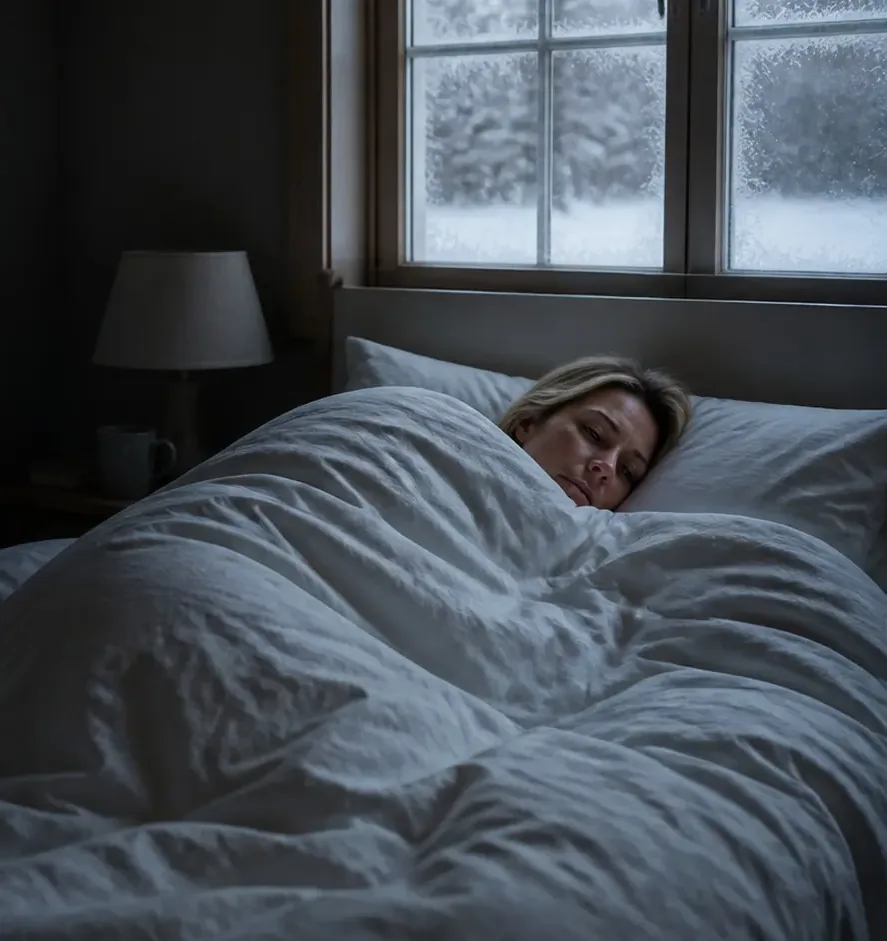
- Add moisture to the air. Cleveland Clinic suggests a bedroom humidifier. Our guide to sleeping with a humidifier covers how to use one safely and keep it clean.
- Wear a comfortable sleep mask. A mask or other eye covering helps keep dust and drafts away. See our tips on choosing one in best eye masks for sleep.
- Point fans away from your face. Moving air speeds up tear evaporation.
5. Cut back on alcohol and sleeping pills near bedtime
Because sleeping pills and alcohol can make nocturnal lagophthalmos worse, Cleveland Clinic recommends avoiding them and focusing on good sleep habits. Never stop a prescribed medication on your own, but do ask your doctor whether a medicine could be playing a role. Our article on alcohol and sleep explains other ways a nightcap can backfire.
6. Surgery for stubborn cases
When other treatments don’t help, or when the condition is moderate to severe, the AAO lists surgical options such as implanting a tiny gold or platinum weight in the upper lid, partially sewing the lids together (tarsorrhaphy) or repositioning the eyelid. If an underlying problem such as thyroid eye disease or Bell’s palsy is found, it also needs treatment or time to improve.
When to See an Eye Doctor
Make an appointment with an ophthalmologist or optometrist if you:
- Wake up with dry, red, gritty or painful eyes most mornings
- Have blurry vision or light sensitivity that lingers after you wake
- Have been told your eyes stay open while you sleep
- Recently had Bell’s palsy, a stroke, a facial injury or eyelid surgery
- Have thyroid eye disease or eyes that seem to bulge
The AAO says an eye exam may include watching how fully you close your eyes, measuring the gap between your lids and checking the cornea with a lighted microscope called a slit lamp. A Schirmer test may be used to measure tear production. Seek care right away for sudden eye pain, a sudden change in vision or new facial weakness.
If you wear lenses, don’t sleep in them unless your eye doctor says they’re approved for overnight wear. Our guide to sleeping with contacts in explains why.
The Bottom Line
Sleeping with your eyes open, or nocturnal lagophthalmos, affects roughly 1 in 5 people, often without them knowing. A small gap may cause no problems, but regular dry, gritty or painful morning eyes are a sign your eyes need protection at night. Night ointment, eyelid tape, a humidifier and a sleep mask are common first steps, and an eye doctor can find the cause and decide whether you need more. A comfortable, sleep-friendly bedroom helps too.
FAQ: Sleeping With Your Eyes Open
Is it normal to sleep with your eyes slightly open?
It’s fairly common. The AAO estimates about 20 percent of people sleep with their eyes partially open. Common doesn’t always mean harmless, though, so see an eye doctor if your eyes feel dry or sore in the morning.
Can you see when you sleep with your eyes open?
No. Cleveland Clinic explains that your brain takes that function offline during sleep, so your eyes aren’t sending visual information the way they do when you’re awake.
Can sleeping with your eyes open damage your vision?
It can if it’s severe and untreated. Long-term exposure can scratch or scar the cornea, and the AAO warns this can lead to vision loss. Early treatment lowers that risk.
Does taping your eyes shut at night work?
For some people it does. Cleveland Clinic says eyelid tape can work very well, though some people find it uncomfortable. Ask your eye doctor which tape and method are safe for your eyes.
This article is for general information only and isn’t medical advice. If you have eye pain, vision changes, light sensitivity or new weakness in your face, see an eye doctor or other health care provider promptly.
General guidance, not medical advice. If a sleep problem persists or gets worse, speak to a qualified clinician. Medical disclaimer