Drooling in Your Sleep: 7 Common Causes and How to Stop It
Waking up to a wet pillow? Learn why drooling in your sleep happens, from sleep position to a stuffy nose or reflux, plus simple fixes and when to see a doctor.
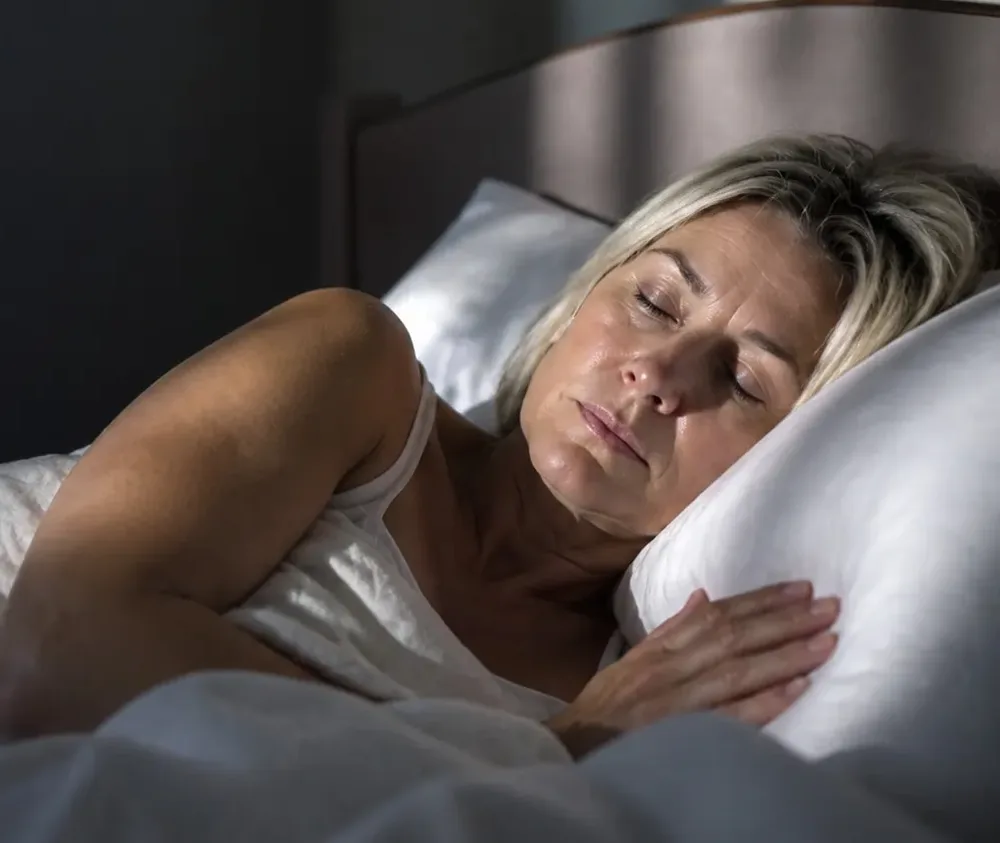
You wake up, lift your head and find a wet spot on your pillow. It’s a little embarrassing, but drooling in your sleep is extremely common, and most of the time it’s nothing to worry about.
Here’s why it happens, the everyday causes and less common health causes, simple ways to drool less and the signs that it’s worth mentioning to your doctor.
Quick Summary
- Drooling during sleep is usually normal. Your mouth keeps making saliva all night.
- Sleep position is the most common cause. Side and stomach sleepers drool more because gravity pulls saliva out.
- A stuffy nose plays a big role. Colds, allergies and sinus infections push you to breathe through your mouth.
- Reflux, sleep apnea, teeth grinding and some medicines can add to it.
- See a doctor if drooling is new, heavy or sudden. Especially if you also snore, gasp or feel sleepy during the day.
Is Drooling in Your Sleep Normal?
Yes, in most cases. According to the Sleep Foundation, people generally produce less saliva at night than during the day, but saliva production continues while you sleep. That saliva keeps your mouth and throat lubricated, and some of it can escape onto your pillow.
Cleveland Clinic says drooling happens when excess saliva flows out of your mouth involuntarily. Medically, it may be called sialorrhea or ptyalism. It’s normal in babies up to about age 2, and it’s also common for adults to drool during sleep.
Why it happens at all
The Sleep Foundation explains that drooling happens when you make too much saliva, have trouble keeping saliva in your mouth or have trouble swallowing. During sleep, your mouth may fall open and you swallow less, so a little drool is no surprise.
7 Common Causes of Drooling in Your Sleep
1. Your sleeping position
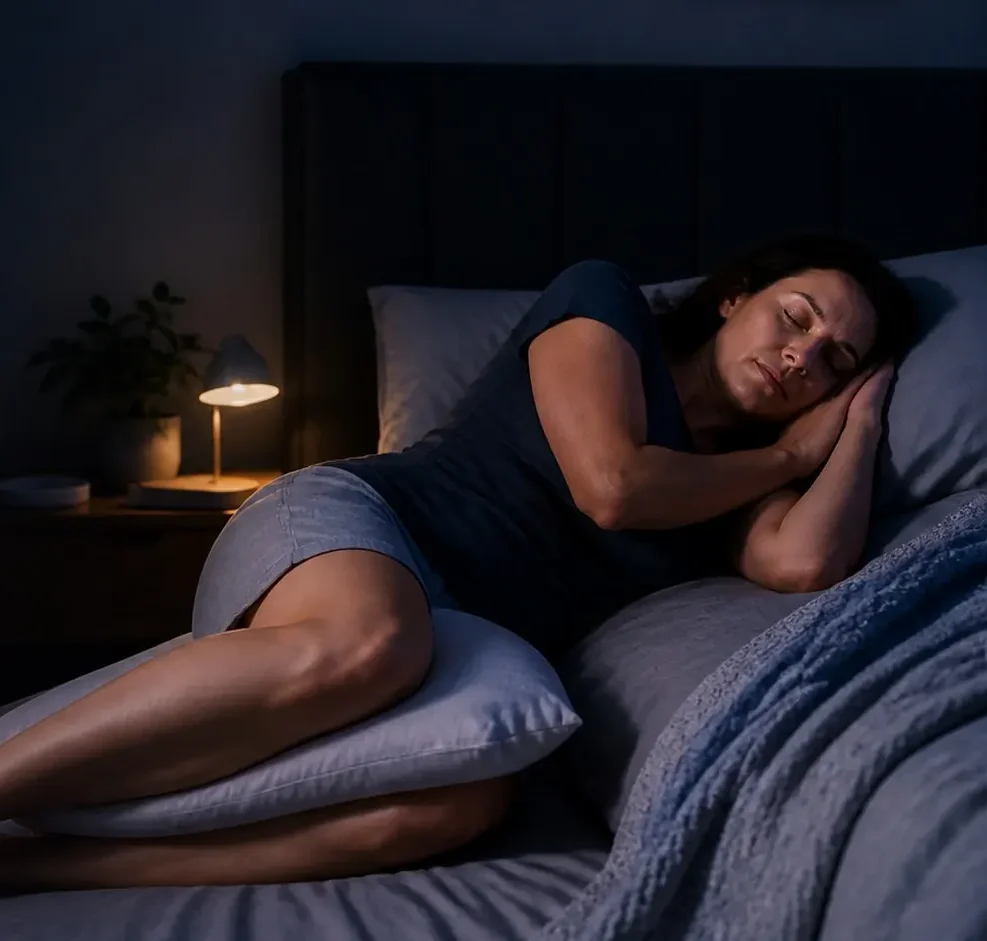
Sleeping position is often to blame. When you sleep on your back, gravity keeps saliva in your mouth or sends it toward your throat. When you sleep on your side or stomach, gravity pulls it toward the pillow, Cleveland Clinic and the Sleep Foundation explain. Sleeping with your mouth open makes it even more likely. Compare the options in our guide to the best sleeping position.
2. Mouth breathing
When your mouth stays open, drool escapes more easily. Cleveland Clinic lists drooling while asleep as a common symptom of mouth breathing, along with dry mouth, bad breath and hoarseness. Yes, the same habit can leave you drooling one night and waking with a dry mouth the next. See our guide to dry mouth at night.
3. A cold, allergies or a sinus infection
Colds, strep throat and seasonal allergies can inflame your sinuses and block your nose, so you breathe through your mouth and drool more than usual, the Sleep Foundation says. Cleveland Clinic also lists sinus infections, tonsillitis, mono and swollen adenoids. If congestion is the problem, try our tips on how to sleep with a stuffy nose.
4. Acid reflux (GERD)
Drooling and trouble swallowing are common GERD symptoms, according to the Sleep Foundation. When your esophagus is irritated, your body may also make extra saliva. Our guide on how to sleep with heartburn covers positions and timing that can help.
5. Obstructive sleep apnea
Mouth breathing often goes along with obstructive sleep apnea, a disorder that causes pauses in breathing during sleep. The Sleep Foundation says to talk to your doctor if drooling comes with snoring, gasping or choking during sleep, waking up at night, morning headaches, trouble focusing or daytime sleepiness. Read more about sleep apnea in women.
6. Teeth grinding
Drooling commonly accompanies sleep bruxism (teeth grinding), possibly because of its link with mouth breathing, the Sleep Foundation notes. Learn the signs in our article on teeth grinding in sleep.
7. Medicines and other health conditions
Some antibiotics, antipsychotic drugs and medicines used to treat Alzheimer’s can cause extra saliva and drooling, according to the Sleep Foundation. Don’t stop a medicine on your own. Ask your doctor about alternatives. Neurological conditions such as Parkinson’s disease, stroke, cerebral palsy, ALS and multiple sclerosis can also cause drooling, Cleveland Clinic says, though these come with other symptoms. Cleveland Clinic adds that acidic foods like citrus and sugary foods can increase saliva production.

How to Stop Drooling in Your Sleep
Occasional drooling doesn’t need treatment. If it bothers you, these steps may help.
Sleep on your back
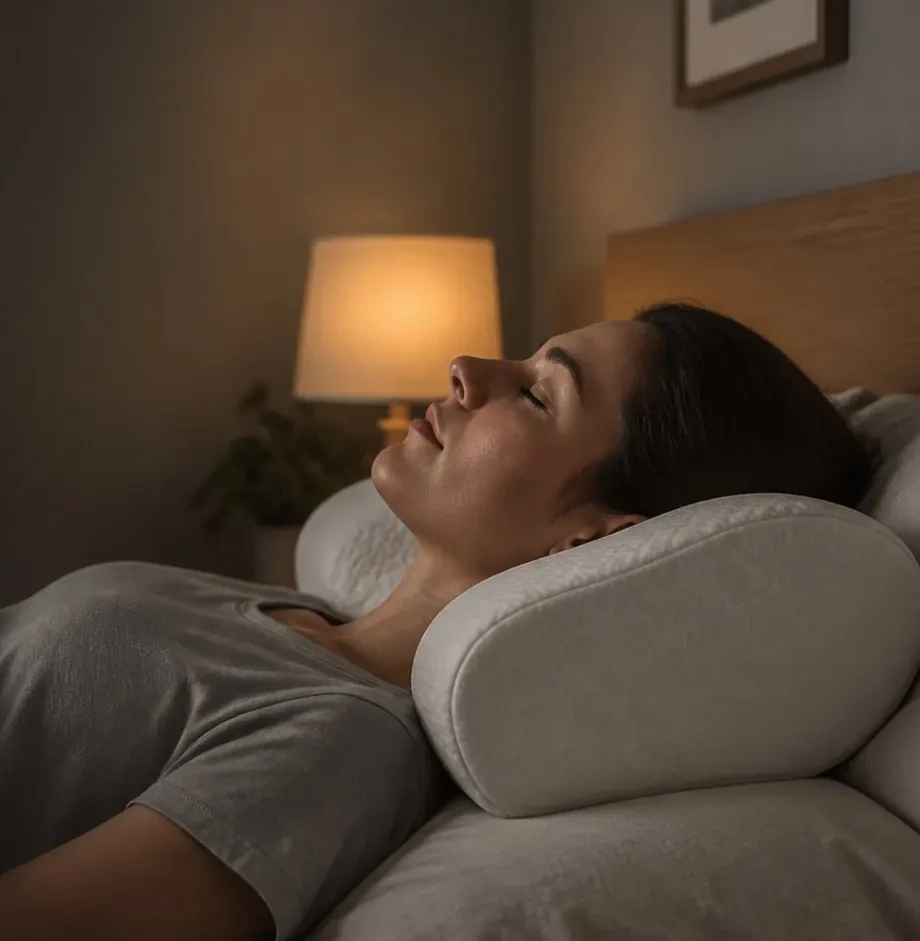
The Sleep Foundation calls switching to your back the easiest fix. You may need a different pillow, since side sleepers usually use a thicker one. Pillows along your sides can help you stay put. Our guide on how to choose the best pillow can help you find the right height.
Clear your nose before bed
Treating allergies can open your sinuses so you breathe through your nose instead of your mouth, the Sleep Foundation says. A humidifier in dry winter air may make a stuffy nose feel more comfortable, too.
Manage reflux
If heartburn is part of the picture, avoid big late meals and talk to your doctor about treating GERD.
Ease up on acidic and sugary foods at night
Cleveland Clinic suggests people with chronic drooling try limiting acidic or sugary foods, since both can increase saliva.
Be cautious with mouth tape
The Sleep Foundation mentions mouth tape as one way some people keep their mouth closed at night. The evidence is limited and it isn’t right for everyone, especially if you can’t breathe easily through your nose. Read our honest take on mouth taping for sleep before you try it.
Ask about medical treatment for heavy drooling
For severe drooling, Cleveland Clinic says a doctor may suggest medicines that reduce saliva, Botox injections into the salivary glands, therapy to strengthen the muscles around the mouth, an oral appliance or, rarely, surgery.
Keep your pillow fresh
Regular drooling can make a pillowcase damp and grimy. Swap pillowcases often and follow our guide on how often to wash your sheets.
Drooling at a Glance
| What you notice | Likely cause | What to try |
|---|---|---|
| Wet pillow, no other symptoms | Side or stomach sleeping | Try sleeping on your back |
| Drooling with a stuffy nose | Cold, allergies or sinus infection | Treat congestion, use a humidifier |
| Drooling plus heartburn | Acid reflux (GERD) | Avoid late meals, talk to your doctor |
| Drooling plus loud snoring and daytime sleepiness | Possible sleep apnea | Ask your doctor about a sleep evaluation |
| Drooling started with a new medicine | Medication side effect | Ask your doctor, don’t stop it yourself |
When to See a Doctor
Cleveland Clinic says excessive or sudden drooling could be a cause for concern. If you’ve always slept on your side or stomach and only recently started drooling, it could be due to allergies, an infection or acid reflux. Severe or chronic drooling can also lead to painful cracked sores at the corners of the mouth (angular cheilitis), and in some cases saliva can be breathed into the lungs.
Make an appointment if drooling is new, heavy or sudden, if you also have trouble swallowing, or if you snore, gasp or feel sleepy during the day.
The Bottom Line
Drooling in your sleep is usually just gravity at work, especially if you sleep on your side or stomach with your mouth open. A stuffy nose, reflux, sleep apnea, teeth grinding and some medicines can make it worse. Sleeping on your back, clearing your nose and managing reflux can help. If drooling is new, heavy or comes with other symptoms, check in with your doctor.
FAQ: Drooling in Your Sleep
Is drooling in your sleep a sign of good sleep?
Not necessarily. Drooling mostly reflects your sleep position and whether your mouth is open. It doesn’t prove you slept deeply or poorly.
Why did I suddenly start drooling in my sleep?
Cleveland Clinic says new drooling in a long-time side or stomach sleeper could point to allergies, an infection or acid reflux. If it’s heavy or doesn’t go away, see your doctor.
Can sleep apnea cause drooling?
It can contribute. Mouth breathing often goes along with obstructive sleep apnea, and breathing through an open mouth makes drooling more likely, the Sleep Foundation says.
What is the best sleeping position to stop drooling?
Sleeping on your back usually helps most, because gravity keeps saliva in your mouth instead of pulling it onto your pillow.
This article is for general information only and isn’t medical advice. If drooling is new, heavy or sudden, or comes with trouble swallowing, loud snoring or daytime sleepiness, talk with a doctor. Don’t stop a prescribed medicine without talking to your health care provider.
General guidance, not medical advice. If a sleep problem persists or gets worse, speak to a qualified clinician. Medical disclaimer