Is It Safe to Sleep With a Space Heater On? What Fire Experts Say
Is sleeping with a space heater on safe? Fire safety experts say turn it off at bedtime. Learn the risks, how to warm your bedroom safely, and 10 key rules.
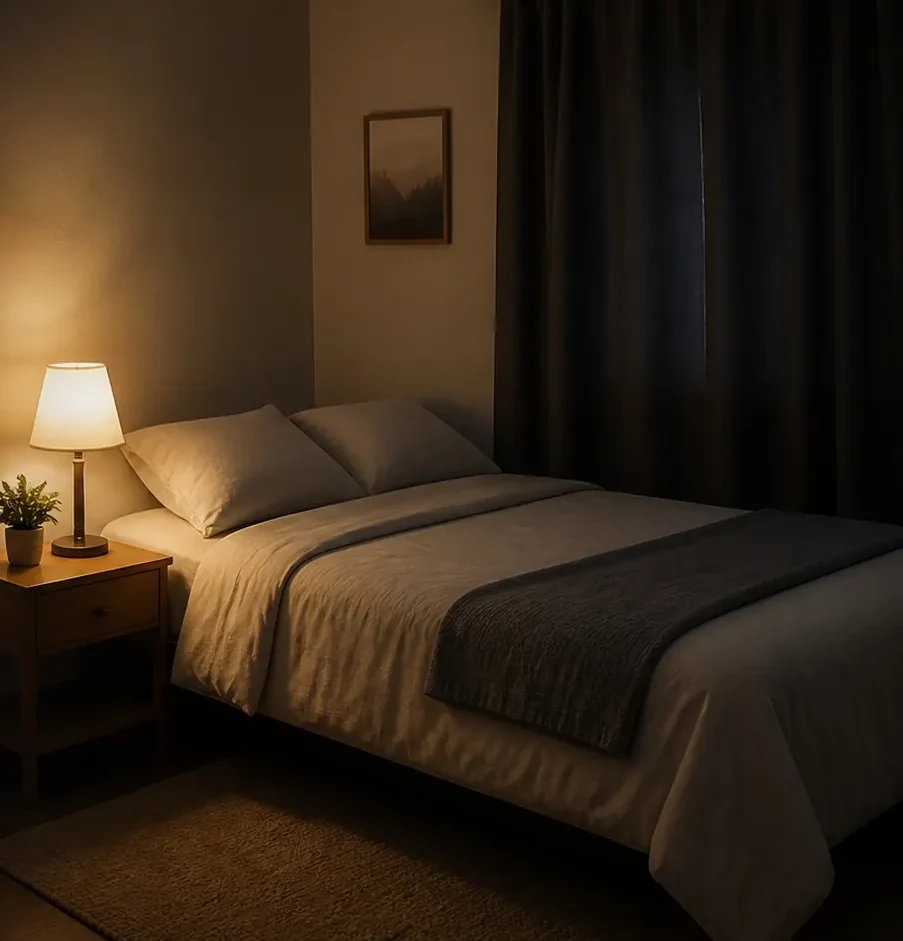
When the furnace can’t keep up on a frosty night, a little space heater by the bed feels like the perfect fix. Click it on, crawl under the covers, and drift off in a toasty room. It’s one of the most common winter sleep habits in America, and one of the riskiest.
So is it safe to sleep with a space heater on? The short answer from fire safety experts is no. Federal safety agencies tell people to turn space heaters off before they go to sleep. The good news is that you can still warm up your bedroom, and stay warm all night, without leaving a heater running while you’re unconscious. Here’s what the experts say and what to do instead.
Quick Summary
- Turn it off at bedtime. The U.S. Consumer Product Safety Commission and the U.S. Fire Administration both say to turn space heaters off when you go to bed.
- Space heaters cause most heating fire deaths. They are involved in only about 30% of home heating fires but more than 7 in 10 heating fire deaths, according to the National Fire Protection Association.
- Pre-warm, then switch off. Run the heater while you get ready for bed, then turn it off and let warm bedding do the rest.
- A cool room helps you sleep anyway. Most people sleep best in a bedroom around 65°F, so you don’t need a hot room to sleep well.
Is It Safe to Sleep With a Space Heater On?
No. Even a newer heater with safety features shouldn’t run unattended while you sleep. The CPSC’s guidance is simple: keep portable heaters at least three feet from bedding and furniture, plug them straight into the wall, and turn them off when sleeping. The U.S. Fire Administration gives the same advice: turn space heaters off when you leave the room or go to bed.
The reason is that you can’t react to a problem while you’re asleep. A blanket that slides off the bed, a pet that knocks the heater over, or a cord that overheats can turn into a fire in minutes, and the hours between midnight and morning are exactly when people are slowest to notice smoke.
Why Space Heaters Are Risky at Night
Space heaters are small, but they are powerful. Most plug-in models pull around 1,500 watts, which is a lot of electricity running through one cord and one outlet for hours at a time. A few numbers show why the experts are so firm about bedtime:
- The NFPA reports that heating equipment is one of the leading causes of home fire deaths, with about 37,000 home heating fires a year from 2020 to 2024.
- Space heaters and heating stoves were involved in about 30% of those fires, but 73% of the deaths and 70% of the injuries.
- Nearly half of all home heating fires happen from December through February.
- The CPSC estimates that portable heaters are involved in about 1,600 fires a year, causing roughly 70 deaths and 150 injuries.
Most of these fires start the same way: something that can burn ends up too close to the heater. In a bedroom, that something is usually right there in reach, like a comforter, a throw blanket, curtains, a pile of clothes, or a mattress.
The Hidden Risks Beyond Fire
Fire is the biggest danger, but it isn’t the only one.
Overheating
A small closed bedroom can get surprisingly hot with a heater running all night. A CPSC report warns that portable heaters can cause dangerous overheating (hyperthermia), especially for babies, young children, older adults, and people who can’t easily get up or turn the heater off. Never leave a heater running in a closed room with a sleeping infant.
Worse sleep
Even when nothing goes wrong, a hot room can work against you. Your body temperature naturally drops in the evening to help you fall asleep and stay asleep. The Sleep Foundation says the best bedroom temperature for most adults is about 65°F, give or take a few degrees. A room that creeps into the 70s or 80s overnight can lead to sweaty wake-ups, restless sleep, and that groggy, dried-out feeling in the morning. If that sounds familiar, our guide on how to stop overheating at night can help.
Dry air
Heaters can make dry winter air feel even drier, which may leave you with a scratchy throat, dry eyes, or a stuffy nose. A humidifier can help. See our guide to sleeping with a humidifier for safe settings.
Carbon monoxide from fuel-burning heaters
Electric heaters don’t make carbon monoxide, but kerosene, propane, and other fuel-burning heaters can. Never use a fuel-burning heater in a bedroom while you sleep, and never use an oven or grill to heat your home. The CPSC recommends carbon monoxide alarms on every level of the home and outside sleeping areas.
How to Warm Your Bedroom Safely Before Bed
You don’t have to give up the cozy feeling. You just have to change the timing.
- Turn the heater on 30 to 60 minutes before bed while you’re awake and in the room.
- Close the bedroom door and curtains to hold the heat in.
- When you’re ready to sleep, switch the heater off and unplug it.
- Climb into bed while the room is still warm, and let your bedding keep you comfortable through the night.
If your heater has a built-in timer, set it to shut off before you fall asleep, not after. Don’t count on the timer as a reason to leave it running overnight.
10 Space Heater Safety Rules for Bedrooms
If you use a space heater in your bedroom in the evening, follow these rules from the CPSC, NFPA, and U.S. Fire Administration:
- Keep it at least 3 feet from the bed, bedding, curtains, clothes, and furniture on every side.
- Plug it directly into a wall outlet. Never use an extension cord or power strip.
- Turn it off when you go to sleep or leave the room.
- Choose a heater with a safety certification mark from a recognized testing lab, like UL, ETL, or CSA.
- Look for automatic tip-over and overheat shutoff features.
- Set it on a hard, level floor, not on a bed, rug, or chair.
- Keep the cord out from under rugs and away from where people walk.
- Check the plug and outlet while it runs. If either feels hot, stop using it and have it checked.
- Keep kids and pets away from it. A pet bumping a heater at 2 a.m. is exactly the kind of accident you can’t stop while you’re asleep.
- Make sure you have a working smoke alarm inside the bedroom, and test it every month.
Safer Ways to Stay Warm All Night
Once the heater is off, these simple swaps can keep you cozy until morning:
- Layer your bedding. A flannel sheet, a warm comforter, and a throw on top trap your body heat far better than one heavy blanket. Our guide on how to stay warm in bed has more ideas.
- Wear warm socks. Warm feet help your body relax and may help you fall asleep faster. Here’s why sleeping with socks on works.
- Try a loose hat. In a very cold room, a soft knit cap can help. See our guide to sleeping with a hat on.
- Pre-warm the bed. A hot water bottle or an electric blanket used to warm the sheets before bed can make a cold bed feel inviting. If you use an electric blanket, read our tips on sleeping with an electric blanket first.
- Drink something warm. A cup of caffeine-free herbal tea is a cozy part of a wind-down routine. Try one of the best teas for sleep.
- Seal drafts. A draft stopper under the door and heavier curtains help a bedroom hold the warmth from the evening.
- Set the thermostat smartly. If you have central heat, a programmable thermostat can warm the house shortly before you wake up, so you’re not getting out of bed into a freezing room.
What About Oil-Filled or “Safe” Heaters?
Oil-filled radiators and ceramic heaters with tip-over switches are often marketed as safer, and their surfaces may not get as hot as an old coil heater. But they are still high-wattage appliances that can overload a cord or outlet and heat nearby fabric. The federal safety advice doesn’t make exceptions for any heater type, so the same rule applies: turn it off when you go to sleep.
The Bottom Line
Falling asleep in a warm room feels great, but leaving a space heater running all night isn’t worth the risk. Space heaters cause most home heating fire deaths, and fire safety agencies are clear that they should be turned off at bedtime. Warm your room while you’re awake, switch the heater off before you lie down, and let layered bedding, warm socks, and a cozy routine keep you comfortable until morning. A cool room around 65°F is better for sleep anyway. For more on building that setup, see our guide on how to create the perfect sleep environment.
FAQ: Sleeping With a Space Heater On
Can I leave a space heater on all night if it has a tip-over switch?
It’s still not recommended. Tip-over and overheat switches lower some risks, but they can’t stop bedding, curtains, or clothes from catching fire if they end up too close. The CPSC says to turn heaters off when sleeping.
How far should a space heater be from my bed?
At least 3 feet from the bed and anything else that can burn, including blankets, curtains, and clothing, on the front, sides, and back of the heater.
Is it safe to use a space heater with an extension cord?
No. Plug space heaters directly into a wall outlet. Extension cords and power strips can overheat and start a fire.
What temperature should my bedroom be for sleep?
Most adults sleep best around 65°F, with a comfortable range from the low to upper 60s. Warm bedding keeps you comfortable in a cool room.
Can a space heater make you sick?
Electric heaters don’t produce carbon monoxide, but they can dry the air and overheat a room, which can leave you with a dry throat or a restless night. Fuel-burning heaters can produce carbon monoxide and should never be used in a bedroom while you sleep.
This article is for general information only. Always follow the manufacturer’s instructions for your heater and local fire safety guidance. If you smell gas or smoke, or a carbon monoxide alarm sounds, get everyone outside right away and call 911.
General guidance, not medical advice. If a sleep problem persists or gets worse, speak to a qualified clinician. Medical disclaimer