How to Sleep When You Have House Guests for the Holidays
Hosting house guests can wreck your sleep with late talks, hallway lights and extra noise. Here's how to set kind boundaries and still get a decent night.
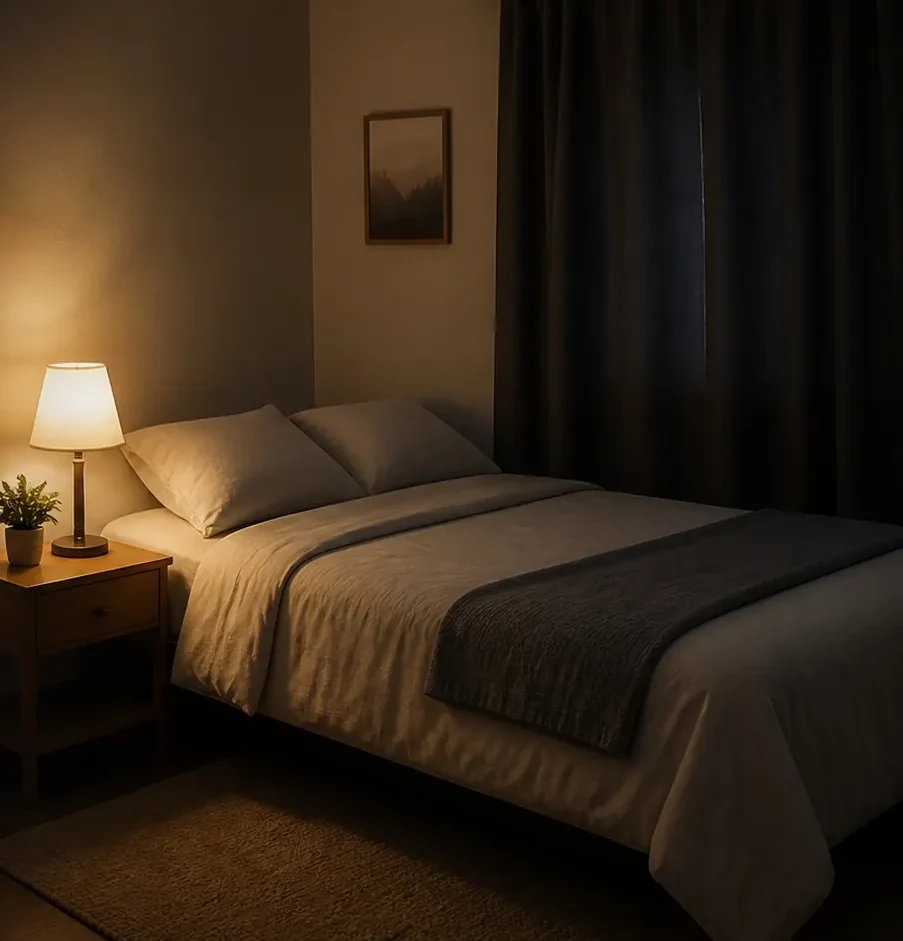
Having house guests for the holidays sounds cozy until everyone is still in the kitchen at 11 p.m., the hall light stays on and you are sleeping one wall away from people you want to be kind to. Hosting can scramble your sleep even when you are glad they came.
You do not have to choose between being a good host and getting a decent night. You do have to protect a few basics: a wind-down, a quieter room and a morning that does not start the second someone else wakes up.
Quick Summary
- Tell guests your rough sleep hours on the first night. People cannot respect a boundary they do not know about.
- Protect your bedroom first. A dark, quieter room matters more than a perfect guest setup.
- Plan for noise and light. Earplugs, a fan, a white-noise app and a hallway night-light can save the night.
- Do not play host until midnight. It is fine to say goodnight and go to bed first.
- Keep your morning cue if you can. One late night is easier than hosting in a sleep fog all weekend.
- A short hosting reset after they leave helps you catch up without staying in bed until noon.
Why Sleep Gets Harder When Guests Are in the House
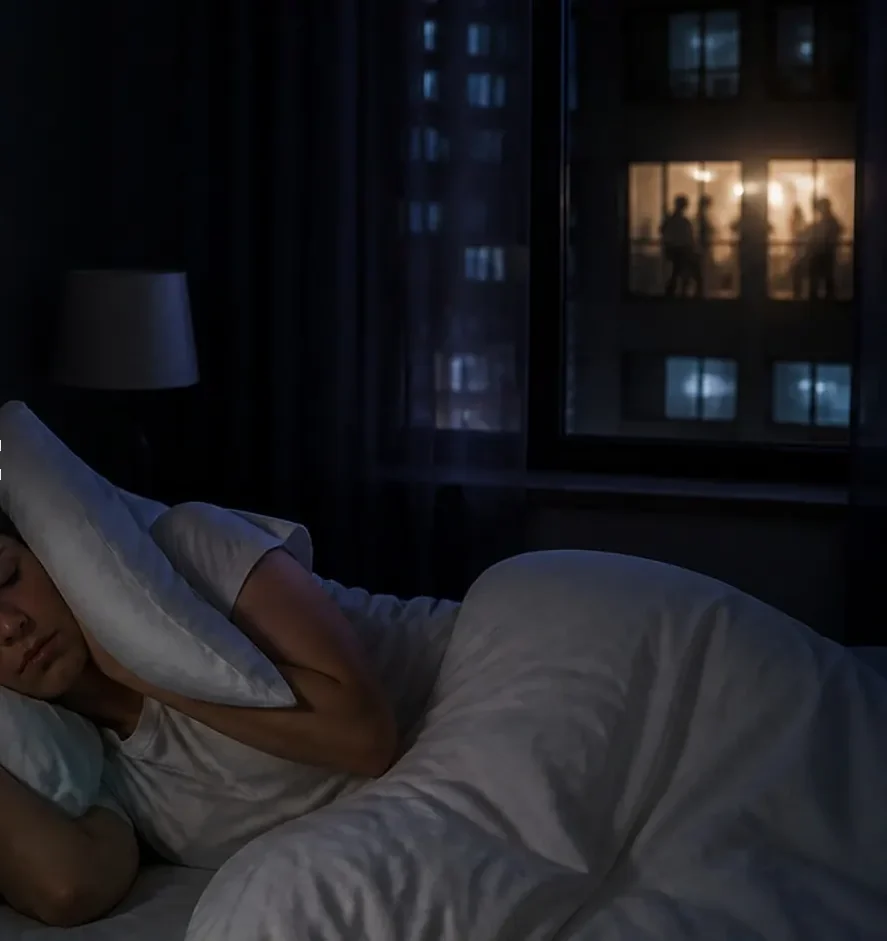
Your home is usually a set of quiet cues: the same hallway, the same lights-out time, the same background sounds. Guests change all of that. Water runs at odd hours. Doors open. People talk in the living room. You may also stay “on” as a host, listening for whether someone needs an extra towel or a ride in the morning.
That alertness is tiring. It is also a close match for trying to sleep in a noisy environment. Add a later evening and leftover holiday stress, and your usual bedtime can slip without you meaning it to.
There is a social piece too. Many hosts feel rude going to bed first, so they wait until the last conversation ends. By then the bedroom lights, the late snack and the mental to-do list for breakfast have all piled onto the night. Kindness can include going to sleep on time.
Set a Kind Sleep Boundary Early
Most guests do not want to keep you up. They just do not know when you usually go to bed. On the first evening, say it in a normal voice: “We tend to turn in around 10:30, so help yourself to anything in the kitchen after that.” That one sentence prevents a lot of awkward hovering.
You can still be generous. Leave out water, snacks, extra blankets and a written Wi-Fi password. The more self-serve the night is, the less you have to stay up and host it.
If you are sleeping in a disrupted space yourself, use the same ideas you would for holiday sleep: keep the evening meal from running too late, dim the main lights and give yourself a short wind-down even if the gathering is still winding down in the next room.
Make Your Bedroom the Quietest Room in the House
Give guests what they need, then protect your own sleep setting. Close the bedroom door. Use a draft stopper if hallway light spills in. A small night-light in the bathroom or hall keeps people from turning on every overhead fixture at 2 a.m.
A fan, a white-noise machine or even a phone on a low, steady sound can mask voices and plumbing. If you already like sound at night, white, pink or brown noise is often more forgiving than complete silence, which makes every footstep feel louder.
Earplugs are worth trying if you are a light sleeper, as long as you can still hear an alarm or a child who might need you. Put them in after you have said goodnight, not while you are still hosting.
Go to Bed First if You Need To
Hosts often wait until the last guest is settled. That can push your night an hour later than everyone else’s. It is allowed to go first. Say goodnight, point people toward towels and snacks, and leave the living room.
If you share a bed with someone who likes to stay up and talk with family, agree on a quiet return. One person can keep the conversation going without turning on bright lights or starting a new movie in the bedroom.
Handle Morning Noise Before It Starts
Ask what time people usually get up, and share yours too. If early risers will be in the kitchen at 6, show them how to start coffee without slamming cabinets, or set out mugs and a pre-filled pot the night before.
You do not have to get up the moment someone else does. A closed bedroom door and a short “make yourself at home” message in the morning can buy you another half hour of sleep, which matters if you were up late.
When You Are the One Sleeping in a Temporary Spot
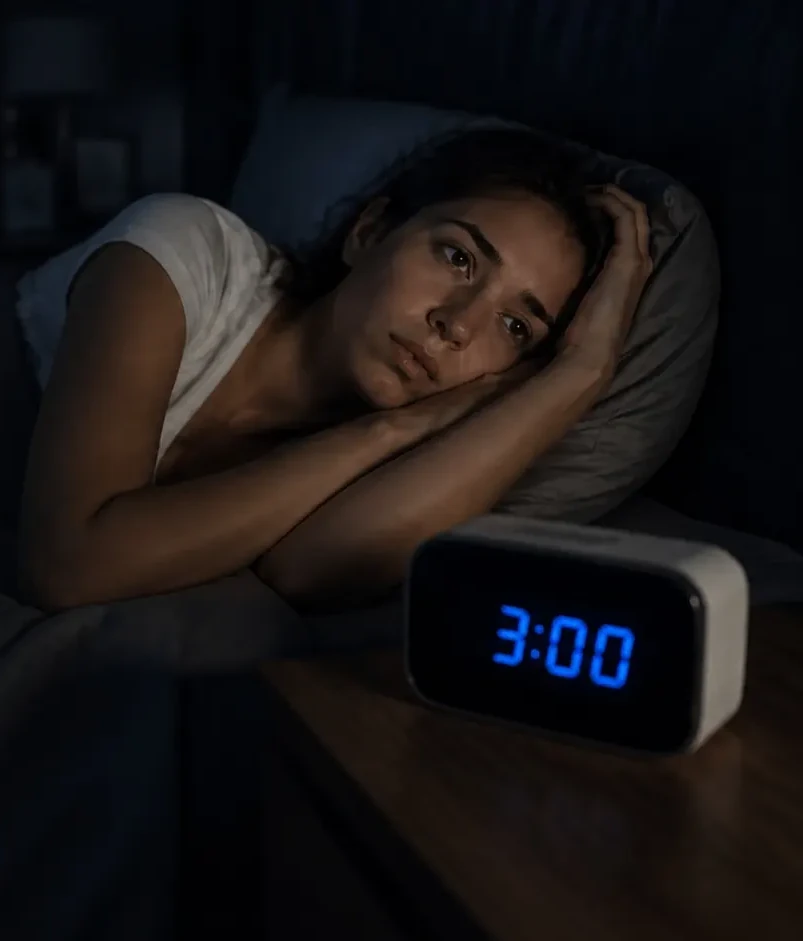
If you gave up your bed, treat the couch, air mattress or office like a real sleep space: the darkest corner, the best pillow you own, a blanket that actually keeps you warm and a plan for light and noise. A solid sleep environment matters more when the room itself is a compromise.
After guests leave, give yourself one easier night. Reset the bedroom, go to bed close to your usual time and let the house feel like yours again. Hosting is generous. It should not cost you a full week of sleep.
A Host’s Sleep Checklist
- Share your usual bedtime and morning time on the first night.
- Leave out water, snacks, towels and a night-light so guests do not need to come find you.
- Close your door, mask noise and keep your room as dark as you can.
- Say goodnight and go to bed even if the evening is still winding down.
- Set up a quiet morning coffee plan for early risers.
House guests change the sound and rhythm of a home. They do not have to take your nights if you set a kind boundary and keep one room that still feels like sleep.
General guidance, not medical advice. If a sleep problem persists or gets worse, speak to a qualified clinician. Medical disclaimer