Sleeping With Earplugs: Is It Safe Every Night?
Is sleeping with earplugs every night safe? Learn the real risks like earwax buildup and ear infections, the safest type to use, and how to protect your ears.
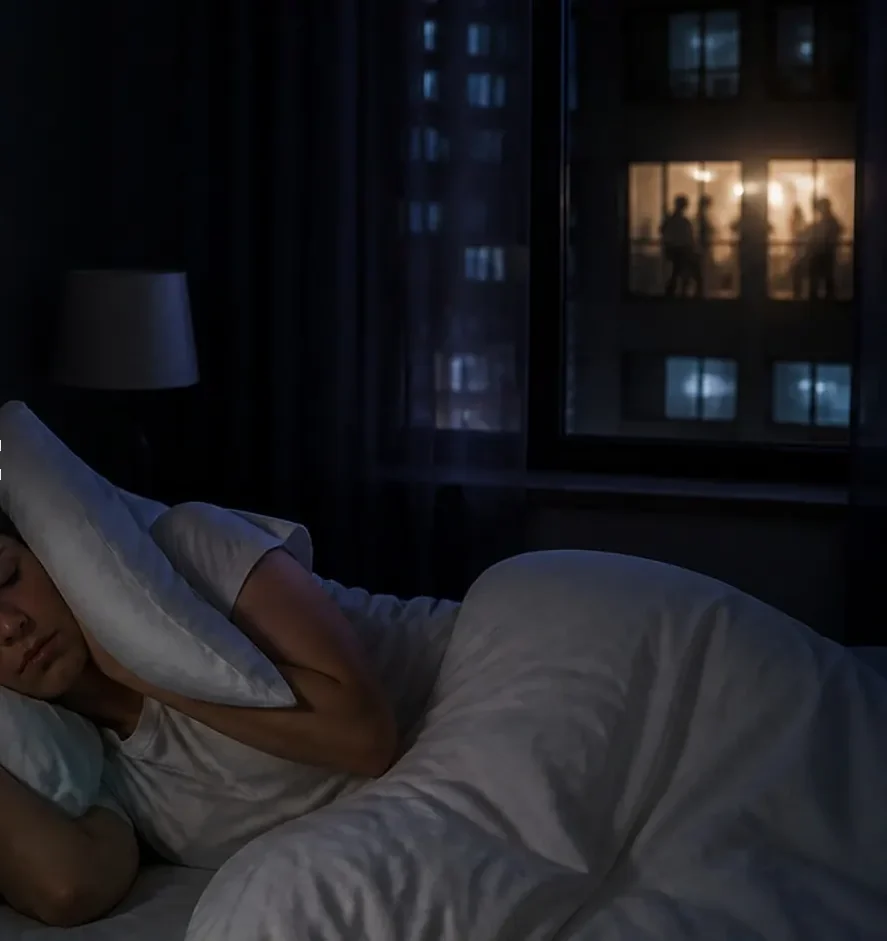
A partner who snores, a neighbor’s dog, traffic on the highway or a holiday houseguest who stays up late. Earplugs are one of the cheapest ways to get some quiet at night. But if you’ve started reaching for them every single night, you may be wondering whether that’s okay for your ears.
Here’s what experts say about sleeping with earplugs, the real risks of nightly use, which type is safest and how to use them without causing problems.
Quick Summary
- Occasional use is generally fine. Experts say earplugs are safe for some nights, but they work best as a temporary fix.
- Nightly use has trade-offs. Earplugs can trap moisture and bacteria and push earwax deeper into your ear canal.
- Fit matters. Plugs that are too big or forced in can irritate your ear canal or even damage your eardrum.
- Silicone is often the safer overnight pick. Foam blocks more noise but is more likely to harbor germs.
- Make sure you can still wake up. Earplugs can make it harder to hear alarms, including smoke alarms.
Is It Safe to Sleep With Earplugs?
For most people, sleeping with earplugs once in a while is fine. A sleep medicine nurse practitioner interviewed by UW Medicine’s Right as Rain says it’s safe to wear them occasionally, but that they should be a temporary solution rather than something you rely on every night.
When you’re short on sleep and need to be alert for work, driving or caring for others, wearing earplugs for a stretch of rough nights is unlikely to cause harm, according to the same article. The goal is to use them wisely and give your ears breaks.
Why people reach for them
Earplugs are especially popular with people who share a bed with a snorer or live somewhere loud, with cars, horns, music or sirens outside. If that’s you, our guides on how to sleep with a snoring partner and how to sleep in a noisy environment have more ways to cut the noise.

The Risks of Sleeping With Earplugs Every Night
Earwax buildup
Your ears normally clean themselves. Earwax protects your ear canal from dust, dirt and infection, and jaw movement during the day helps move it out. Earplugs can interfere with that process. Cleveland Clinic lists frequent use of earplugs or earbuds as one of the things that make earwax blockage (cerumen impaction) more likely.
Signs of blocked earwax can include a feeling of fullness in your ear, earache, muffled or reduced hearing, ringing in the ears, itching, discharge or odor, and dizziness, Cleveland Clinic says.
Outer ear infections
Earplugs can trap moisture and bacteria in the ear canal, Right as Rain explains, which raises the risk of bacterial or fungal infections of the outer ear. Cleveland Clinic makes a similar point about anything that sits in your ear overnight: putting it in right after a shower can trap dampness, creating a warm, moist spot where bacteria grow.
Irritation or eardrum damage from a poor fit
People sometimes force plugs that are too big into their ears. Poorly fitting earplugs can damage the eardrum, according to Right as Rain, and even well-fitting ones can raise the risk of wax buildup and infection over time.
Sleeping through alarms
Blocking sound works both ways. Earplugs can make it harder to hear your phone alarm or a smoke alarm. That’s an especially big concern if you live alone or care for a baby, child or older relative at night.
Foam vs. Silicone vs. Custom Earplugs
Different materials suit different needs. Here’s how they compare based on the guidance above.
| Type | Pros | Cons | Good for |
|---|---|---|---|
| Foam | Usually cheaper and easy to find, good fit and noise blocking | More likely to harbor bacteria and fungus | Very loud spaces |
| Silicone | Probably the safest choice for overnight use | May not block as much noise as foam | Everyday noise like snoring or traffic |
| Custom-molded silicone | Made from impressions of your ears for a proper fit | Requires a referral and an audiologist visit | People who need earplugs often |
Right as Rain notes that silicone is probably the safest choice for overnight use, while foam may give a better fit and more noise reduction in very loud places. If you need earplugs often, your doctor can refer you to an audiologist who can make custom ones from impressions of your ears.
How to Use Earplugs Safely
- Start with clean, dry ears and hands. Avoid putting earplugs in right after a shower while your ears are still damp.
- Don’t force them. If a plug feels too big or painful, try a smaller size or a different material.
- Keep them clean, or replace them. Follow the package directions. Toss disposable foam plugs once they’re dirty or lose their shape.
- Give your ears nights off. Rotate earplugs with other options like a fan or sound machine so your ears get regular breaks.
- Never use cotton swabs to “clean up” afterward. Cleveland Clinic warns against putting anything into your ear canal, including cotton swabs. Swabs can damage your eardrum and may even encourage your ears to make more earwax.
- Test your alarm. Make sure you can hear your morning alarm and know how your smoke alarms sound with plugs in.
Quieter Nights Without Earplugs
Before relying on earplugs long term, try making the bedroom itself quieter. Right as Rain suggests keeping windows and doors closed, sealing gaps and cracks, and using a white noise machine or fan to cover distracting sounds.
- Add steady sound. Learn the difference between white, pink and brown noise, or compare the best white noise machines.
- Try sleep headphones carefully. If you’d rather listen to soft sound, read our guide to sleep earbuds and headphones. Cleveland Clinic suggests keeping volume at about half or lower and using a timer.
- Rethink the room setup. If a partner’s snoring is the problem, it may be worth considering a sleep divorce on rough nights, and encouraging them to get checked for sleep apnea.
- Pack them for travel. Earplugs really shine on the road. See our tips on how to sleep better in a hotel and how to sleep on a plane.
When to Stop Using Earplugs and See a Doctor
Stop using earplugs and check in with a health care provider if you notice signs of an ear infection, such as ear pain, redness, itching, a feeling of fluid in your ear or hearing loss, Right as Rain advises. Also watch for signs of earwax blockage like muffled hearing, ringing in your ears or an earache. Cleveland Clinic recommends talking to your provider before trying any earwax treatment.
If you have tinnitus, our guide on how to sleep with tinnitus explains why soft background sound often works better than silence.
The Bottom Line
Sleeping with earplugs is generally safe now and then, and they can be a lifesaver during a loud stretch. Nightly use can lead to earwax buildup, irritation and outer ear infections, so choose a comfortable fit, keep plugs clean, give your ears regular breaks and make sure you can still hear your alarms. If you notice pain, itching, fluid or hearing changes, stop and see a doctor.
FAQ: Sleeping With Earplugs
Is it bad to sleep with earplugs every night?
It isn’t ideal. Experts quoted by UW Medicine say earplugs are safe occasionally but should be a temporary solution, because nightly use can trap moisture and bacteria and push earwax deeper.
Can earplugs cause earwax buildup?
Yes. Cleveland Clinic lists frequent earplug use as a risk factor for earwax blockage.
What are the safest earplugs for sleeping?
Silicone earplugs are often considered the safest for overnight use, according to Right as Rain. Foam blocks more noise but is more likely to harbor bacteria.
Can you hear an alarm with earplugs in?
Possibly not. Earplugs can make alarms harder to hear, so test your alarm before you rely on it, and be extra careful if you live alone.
This article is for general information only and isn’t medical advice. If you have ear pain, drainage, itching, hearing changes or ringing in your ears, talk with a health care provider before using earplugs again.
General guidance, not medical advice. If a sleep problem persists or gets worse, speak to a qualified clinician. Medical disclaimer