Sleeping With the Window Open: Benefits, Risks, and Winter Tips
Is sleeping with the window open better? Research links fresh air to better sleep. Learn when to crack a window, when to keep it shut, and winter safety tips.
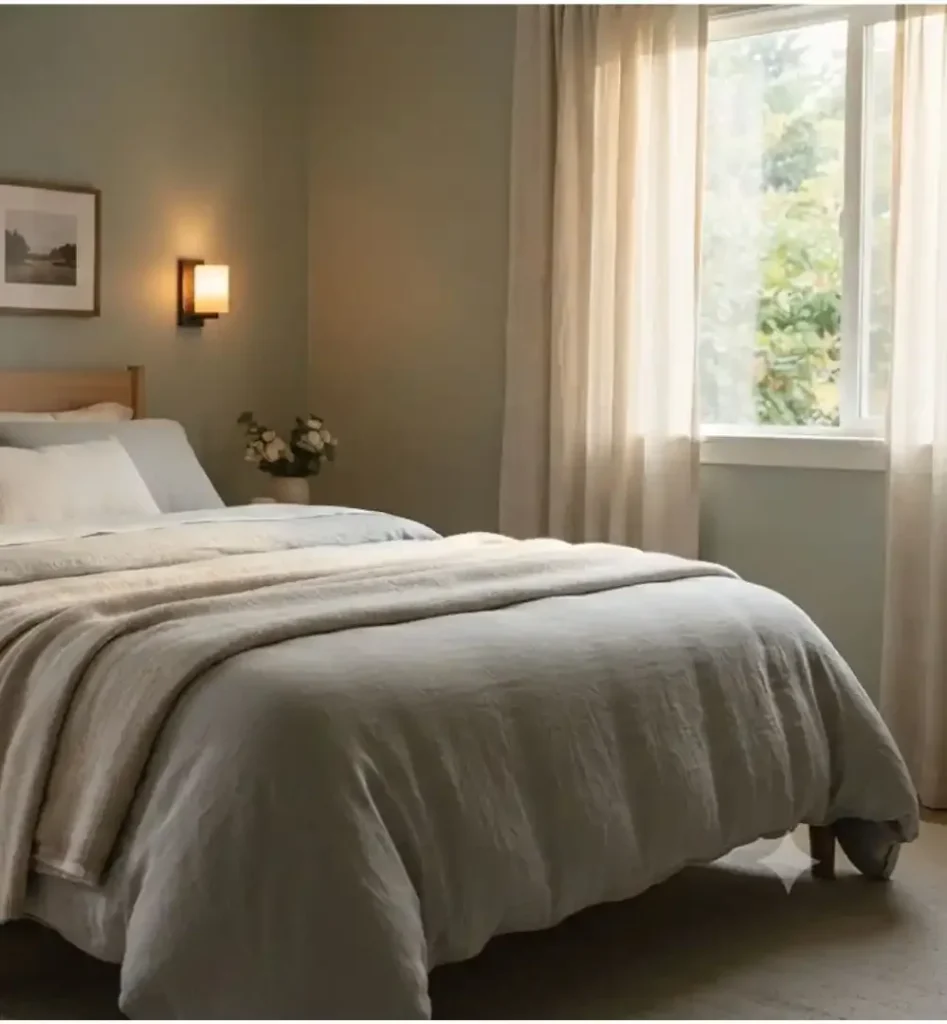
Some people swear by it: a cracked window, a little fresh air, and the best sleep of their lives, even in the middle of winter. Others can’t imagine letting cold air, street noise, or pollen into the bedroom. So which camp is right? Is sleeping with the window open actually better for you?
Research suggests fresh air can help, mainly because it lowers the carbon dioxide that builds up in a closed bedroom overnight. But an open window isn’t right for every night or every home. Here’s what the science says, when to keep it closed, and how to do it safely when it’s cold outside.
Quick Summary
- Fresher air may mean better sleep. In a small study in Indoor Air, opening a window lowered bedroom carbon dioxide (CO2) and improved measured sleep quality and next-day concentration.
- Cool, not cold. The Sleep Foundation puts the best sleep temperature around 65°F, so in winter a small gap is usually plenty.
- Keep it closed when pollen, smoke, or noise is high. Allergists recommend closed windows on high-pollen days.
- Make it safe for kids. The CPSC says never rely on screens to keep children from falling, and to limit window openings to 4 inches.
Is It Better to Sleep With the Window Open? What Research Shows
When you sleep in a closed room, every breath adds a little carbon dioxide to the air. Over a full night, levels can climb well above what you’d find outdoors. A few studies have looked at what happens when you let fresh air in.
- A Danish dorm study. In a 2016 study published in Indoor Air, students slept for a week with better ventilation and a week without. In the first experiment, opening a window dropped the average overnight CO2 level from 2,585 ppm to 660 ppm. When CO2 was lower, objectively measured sleep quality and the perceived freshness of the air improved, and participants reported less next-day sleepiness, better concentration, and did better on a logical-thinking test.
- A Dutch home study. A 2018 study of 17 healthy young adults, also in Indoor Air, compared nights with a window or the bedroom door open to nights with both closed. Average CO2 was 717 ppm with the window or door open versus 1,150 ppm with them closed, and how deeply people said they slept differed significantly between the two setups.
These were small studies, so they don’t prove an open window is right for everyone. But they line up with a simple idea: a stuffy room isn’t great for sleep, and better airflow can help.
Why Bedroom Air Gets Stuffy
Most of us sleep with the door and windows shut, especially in winter. According to the U.S. Environmental Protection Agency (EPA), most home heating and cooling systems, including forced-air heating, do not mechanically bring fresh air into the house. Opening windows and doors, when the weather permits, increases the amount of outdoor air coming in.
Signs your bedroom could use more fresh air:
- The room smells stale or feels heavy when you walk in after sleeping.
- You wake up groggy even after a full night.
- Windows fog up with condensation on cold mornings.
- Two people (or a person and a pet) share a small, closed room.
If dry heated air is the bigger problem in your house, our guide to sleeping with a humidifier covers that side of winter air.
The Temperature Factor
Fresh air also cools the room, which can be a good thing. The Sleep Foundation says the best room temperature for sleep is about 65°F, with most doctors recommending somewhere between 65 and 68°F. Our full guide to the best temperature for sleep explains why a cooler room helps.
In summer, an open window can be a cheap way to cool off on mild nights. See how to sleep in hot weather and how to stop overheating at night. In winter, though, a wide-open window can quickly make the room too cold. Aim for a small gap that keeps the air fresh without sending the temperature plunging.
When to Keep the Window Closed
An open window isn’t always the healthier choice. Keep it shut when:
- Pollen counts are high. The American Academy of Allergy, Asthma and Immunology recommends keeping windows closed to keep pollen out, and the American College of Allergy, Asthma and Immunology advises closed windows and air conditioning during high pollen periods.
- Outdoor air quality is poor. On days with wildfire smoke or heavy pollution, fresh air isn’t so fresh. Check your local Air Quality Index at AirNow.gov before you open up.
- It’s noisy outside. Traffic, sirens, and neighbors can fragment your sleep, even if you don’t remember waking. The Sleep Foundation lists sealed windows among the ways to limit nighttime noise. More tips in how to sleep in a noisy environment.
- It’s bitterly cold or stormy. If you can’t keep the room comfortable, the open window will cost you more sleep than it gains.
- The window isn’t secure. Ground-floor or easy-to-reach windows should stay closed and locked at night unless they have a secure lock or stop.
Window Safety for Homes With Young Children
Kids and open windows need extra care, even in winter. The U.S. Consumer Product Safety Commission (CPSC) estimates that about 5,600 children ages 12 and under were treated in emergency departments in 2024 after falling out of a window. The CPSC recommends that you:
- Never depend on screens to keep children from falling out of windows.
- Install window stops so windows open no more than 4 inches, or use window guards.
- Open windows from the top instead of the bottom when you can.
- Keep beds, cribs, and other furniture away from windows so kids can’t climb up.
How to Sleep With the Window Open in Winter
If you love fresh air but hate waking up freezing, try this:
- Crack it, don’t open it wide. Start with a gap of an inch or two and adjust from there.
- Open from the top if you can. It’s safer around kids and tends to feel less drafty at bed level.
- Keep the gap away from your head. If the window is right by your pillow, try a different window or move the bed.
- Layer up under the covers. Flannel sheets, a warm comforter, and socks let you enjoy cool air while staying cozy. See our tips on how to stay warm in bed.
- Turn the thermostat down, not off. Don’t let the heat fight an open window all night. If pipes or older family members are at risk in a cold house, keep the window shut.
- Close it in the morning. Shut the window when you get up so the room warms up again.
No Open Window? Other Ways to Freshen Bedroom Air
If opening a window isn’t practical, you still have options:
- Open the bedroom door. In the 2018 Dutch study, the better-ventilated nights included an open bedroom door as well as an open window, and average CO2 was lower than with both closed. One trade-off: fire safety experts at UL’s Close Before You Doze campaign recommend sleeping with the bedroom door closed, because a closed door slows the spread of fire and smoke. Make sure your smoke alarms work, and choose what makes sense for your home.
- Use exhaust fans. The EPA notes that bathroom and kitchen fans that vent outdoors remove pollutants from the room and can help bring in outdoor air.
- Run a window AC with the vent open. The EPA lists this as another way to increase outdoor ventilation.
- Clean the air. An air purifier can help with pollen and dust if allergies are the reason you keep the window shut.
Houseplants are nice to have, but they won’t noticeably change your air. We explain why in our guide to the best plants for the bedroom. For a full checklist of what makes a restful room, see how to create the perfect sleep environment.
The Bottom Line
Sleeping with the window open can help you sleep better by bringing in fresh air and lowering the carbon dioxide that builds up in a closed bedroom. Small studies link better bedroom ventilation to better sleep and sharper next-day focus. Keep the room cool but comfortable, around 65°F, and in winter, a small gap is usually enough. Skip it on high-pollen, smoky, noisy, or bitterly cold nights, and always use window stops or guards if young kids are in the house.
FAQ: Sleeping With the Window Open
Is it healthy to sleep with the window open?
For many people, yes. Fresh air lowers the carbon dioxide that builds up in a closed bedroom, and small studies link better ventilation to better sleep. It’s not a good idea when outdoor air quality is poor, pollen is high, or the room gets too cold.
Is it OK to sleep with the window open in winter?
Yes, if you keep the room comfortable. Crack the window an inch or two, use warm bedding, and close it if the room drops well below the mid-60s or you have older adults or babies who need a warmer room.
Does sleeping with the window open help you sleep better?
It can. In one study, opening a window lowered bedroom CO2 from about 2,585 ppm to 660 ppm, and people slept better and felt more alert the next day.
Can sleeping with the window open make you sick?
Cold air itself doesn’t cause colds, which are caused by viruses. But a very cold, drafty room can make you uncomfortable, and pollen or smoke can bother your nose and lungs.
Is it better to open the window or the bedroom door?
Either can improve airflow. An open window brings in outdoor air, while an open door lets air move through the house. Fire safety experts recommend sleeping with the bedroom door closed, so many people prefer cracking a window instead.
This article is for general information only and isn’t a substitute for medical advice. If you have asthma, allergies, or another lung condition, ask your healthcare provider whether fresh air at night is right for you. Keep smoke and carbon monoxide alarms working in every bedroom area.
General guidance, not medical advice. If a sleep problem persists or gets worse, speak to a qualified clinician. Medical disclaimer