Sleeping With a Hat On: Is It Good or Bad for You?
Is sleeping with a hat on good or bad for you? For most adults it's safe and cozy in a cold room. Learn the myths, the downsides, and why babies shouldn't.
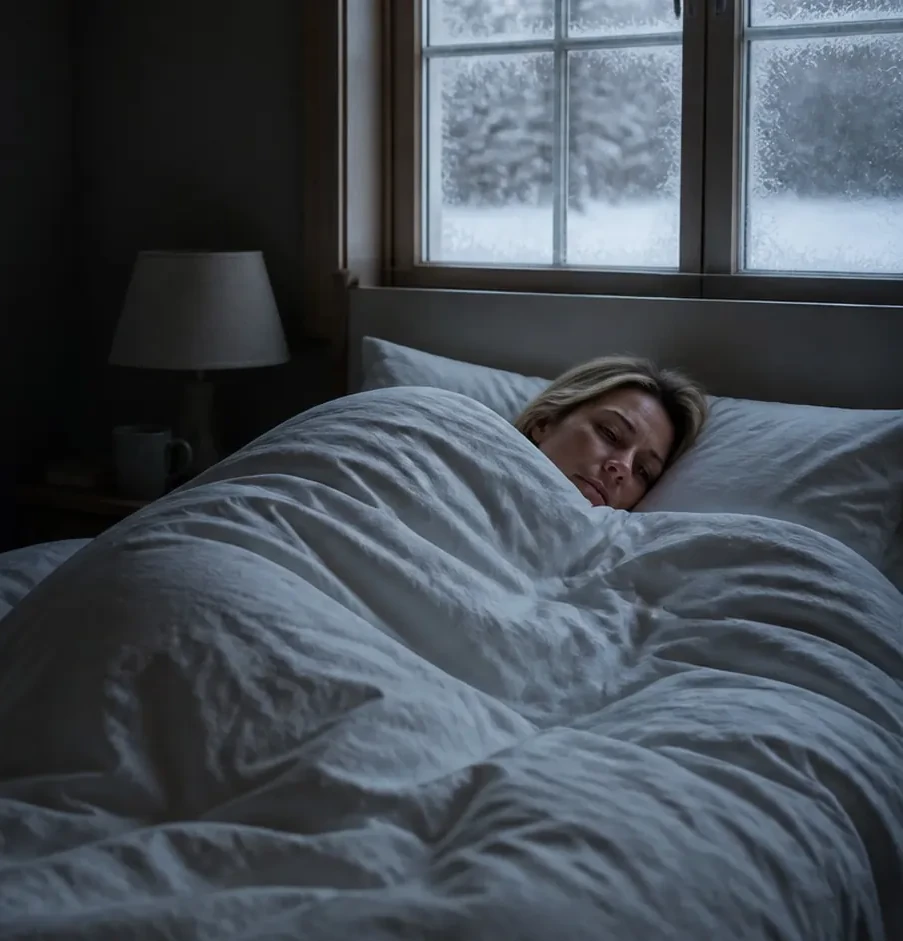
When the house gets chilly at night, a knit hat can seem like the obvious fix. Plenty of people pull on a beanie before bed every winter, and some swear they can’t fall asleep without one. Others worry it will make them overheat, mess up their hair, or that it’s just plain weird.
So is sleeping with a hat on good or bad for you? For most adults, it’s perfectly safe and can make a cold bedroom more comfortable. But a hat isn’t the magic heat-saver it’s often made out to be, and there’s one group who should never sleep in one: babies. Here’s what the science says and how to do it right.
Quick Summary
- It’s safe for most adults. A loose, breathable hat can help you feel cozier in a cold room, and the National Institute on Aging suggests older adults consider a head covering at night when it’s cold.
- Your head isn’t a special heat leak. The idea that you lose most of your body heat through your head is a myth. Any uncovered skin loses heat.
- Don’t let it overheat you. Your body needs to cool down a little to fall asleep. If you wake up sweaty, the hat (or your bedding) is too much.
- Never put a hat on a sleeping baby indoors. Pediatricians warn that overheating raises the risk of SIDS.
Is It Bad to Sleep With a Hat On?
No, not for most people. Wearing a soft hat to bed won’t hurt you, and on a cold night it can help you feel warm enough to relax. That matters, because being too cold can keep you awake just as much as being too hot.
The key is balance. Your core body temperature naturally drops in the evening as part of your sleep cycle, and a slightly cool room helps that happen. The Sleep Foundation says the best bedroom temperature for most people is about 65°F, with most doctors recommending somewhere between 65 and 68 degrees. A hat can be a handy way to stay comfortable in a cool room without cranking up the heat. If you’re not sure where your thermostat should sit, see our guide to the best temperature for sleep.
Where a hat can backfire is when you’re already warm. Piling a hat on top of heavy pajamas, a thick comforter, and a heated room can push you past comfortable and into sweaty, restless sleep.
Do You Really Lose Most of Your Heat Through Your Head?
This is one of the most repeated bits of winter advice, and it’s not true. In a 2008 BMJ article on festive medical myths, pediatric researchers traced the “40 to 45 percent of body heat” claim back to an old military experiment. Volunteers wore arctic survival suits with no hats, so their heads were the only part of their bodies exposed to the cold. Of course they lost the most heat there.
The researchers explained that if the same people had been wearing only swimsuits, they would have lost no more than about 10% of their body heat through their heads. There’s nothing special about the head. Any uncovered part of your body loses heat in proportion to how much skin is exposed.
What does that mean for bedtime? A hat helps a little, mostly by keeping your scalp, ears, and forehead from feeling cold when they’re sticking out from under the covers. But it won’t do the heavy lifting. Warm layers, good bedding, and warm feet usually make a bigger difference.
Benefits of Sleeping With a Hat On
It keeps your head and ears comfortable in a cold room
If you keep the thermostat low at night, sleep in a drafty old house, or like the window cracked open, a hat can stop that cold-ear feeling that makes it hard to settle. It’s especially handy if you tend to burrow your face under the blanket to stay warm, which can leave you feeling stuffy.
It may help you relax and drift off
Feeling chilly makes it hard to unwind. And interestingly, warmth in the right places seems to help sleep along. In a well-known study published in Nature, researchers found that warming of the hands and feet, a sign that blood vessels in the skin were opening up to release heat, was the best predictor of how quickly people fell asleep. That’s one reason sleeping with socks on works for so many people. A hat isn’t the same thing, but staying cozy overall can make it easier to let go.
It’s a cheap alternative to more heat
A hat costs a few dollars and uses no electricity. If you’re trying to keep the heating bill down this winter, it’s an easy add to the other tricks in our guide on how to stay warm in bed.
It’s practical for camping and cold trips
Anyone who has slept in a tent in late fall knows how fast your head gets cold when it’s poking out of a sleeping bag. A warm hat is a standard part of cold-weather camping gear for that reason. More tips are in our guide on how to sleep while camping.
Possible Downsides
Overheating and night sweats
This is the biggest one. If the hat, your pajamas, and your bedding together trap too much heat, you may wake up hot, sweaty, or kicking the covers off at 3 a.m. If that sounds familiar, take the hat off first and see our tips on how to stop overheating at night.
Hair friction and flat hair
A rough wool hat can rub against your hair as you toss and turn, and you may wake up with flat or frizzy hair. A smooth, soft fabric is gentler. Some people with curly or textured hair prefer a satin bonnet or a silk pillowcase instead of a knit hat.
Itchy skin and a sweaty scalp
Wool and synthetic knits can feel itchy against the forehead, and a hat that’s too warm can leave your scalp damp. If you have sensitive skin, choose a breathable cotton or soft blend. And don’t go to bed in a hat with damp hair; trapping moisture against your scalp all night isn’t comfortable. See our guide to sleeping with wet hair for why.
A tight band can be uncomfortable
A snug hat that’s fine for a walk outside can leave a red mark or a dull pressure feeling after a full night. Pick something with a loose, stretchy fit.
Who Might Benefit Most From a Hat at Night
Older adults
Older adults can get dangerously cold indoors without noticing. The National Institute on Aging says even mildly cool homes of 60 to 65°F can lead to hypothermia in older adults. It recommends setting the heat to at least 68°F, using extra covers at night, wearing long underwear under pajamas, and considering a head covering for sleep. Our guide to sleep and aging covers other changes that come with getting older.
People who sleep with the window open or the heat off
If you love a cold, fresh room, a hat lets you keep it that way without shivering. We cover the pros and cons of that setup in our guide to sleeping with the window open.
People with little or no hair
Hair is natural insulation. If you’re bald, have very short or thinning hair, or are going through treatment that causes hair loss, your scalp may feel cold faster at night, and a soft cap can be a comfort.
Babies Should Not Sleep in Hats
This is the one firm rule. Hospitals often put a little hat on a newborn right after birth, but that doesn’t carry over to sleep at home. The American Academy of Pediatrics warns that overheating can increase the risk of SIDS and says not to put a hat on your baby indoors once you’re home from the hospital.
To keep a baby warm enough, the AAP says to dress them in no more than one layer more than you’re wearing, or use a wearable blanket, and to check for signs of overheating such as sweating, a hot chest, or flushed skin. Keep the crib clear of loose blankets and pillows. For toddlers and older kids, a hat isn’t usually needed either; a warm sleeper and the right room temperature work better. More newborn tips are in our guide on how to sleep with a newborn.
How to Sleep With a Hat On the Right Way
- Choose a loose, soft hat. A thin beanie or sleep cap made from cotton, fleece, or a soft knit blend is more comfortable than a thick, tight winter hat.
- Keep it clean. Wash it as often as you’d wash your pillowcase, since it collects skin oils and sweat.
- Start with a cool room. Use the hat to stay comfortable in a cool bedroom, not to add warmth to an already warm one.
- Warm your feet, too. Socks and a layered blanket often help more than a hat alone.
- Skip the ties and strings. Avoid hats with long ties, pom-pom strings, or anything that could wrap around your neck.
- Take it off if you sweat. Waking up damp is a sign you’re too warm. Ditch the hat or remove a blanket.
- Pre-warm the bed instead of heating all night. If you use an electric blanket, follow the safety tips in our guide to sleeping with an electric blanket.
The Bottom Line
Sleeping with a hat on is safe for most adults and can make a cold bedroom much more comfortable, especially for older adults and anyone who keeps the heat low at night. Just don’t expect it to work miracles: you don’t lose most of your heat through your head, so pair a soft hat with warm socks and good bedding. Take it off if you get sweaty, choose something loose and breathable, and never put a hat on a sleeping baby.
FAQ: Sleeping With a Hat On
Is it healthy to sleep with a beanie on?
Yes, for most adults. A loose, clean beanie is fine to wear to bed on cold nights. Just make sure it doesn’t leave you sweaty or itchy.
Does wearing a hat to bed keep you warmer?
A little. It keeps your head and ears comfortable, but your head isn’t where most of your body heat escapes. Socks, layers, and a good blanket usually make a bigger difference.
Can sleeping with a hat on cause hair loss?
There’s no good evidence that wearing a soft hat to bed causes hair loss. A rough or tight hat can rub on your hair and cause frizz or breakage, so choose a smooth, loose fabric.
Should babies wear hats to sleep?
No. The American Academy of Pediatrics says not to put a hat on your baby indoors once you’re home from the hospital, because overheating raises the risk of SIDS.
What kind of hat is best for sleeping?
A thin, stretchy beanie or sleep cap made from cotton, fleece, or a soft blend. Avoid tight bands, scratchy wool, and anything with ties or strings.
This article is for general information only and isn’t a substitute for medical advice. If you often feel cold at night, have trouble staying warm, or care for an older adult or baby in a cold home, talk with a healthcare provider. Follow your pediatrician’s safe sleep guidance for infants.
General guidance, not medical advice. If a sleep problem persists or gets worse, speak to a qualified clinician. Medical disclaimer