How Late-Night Black Friday Shopping Affects Your Sleep
Late-night Black Friday shopping can delay bedtime and leave you groggy. Here's how deal-hunting after dark affects sleep, and how to shop smarter.
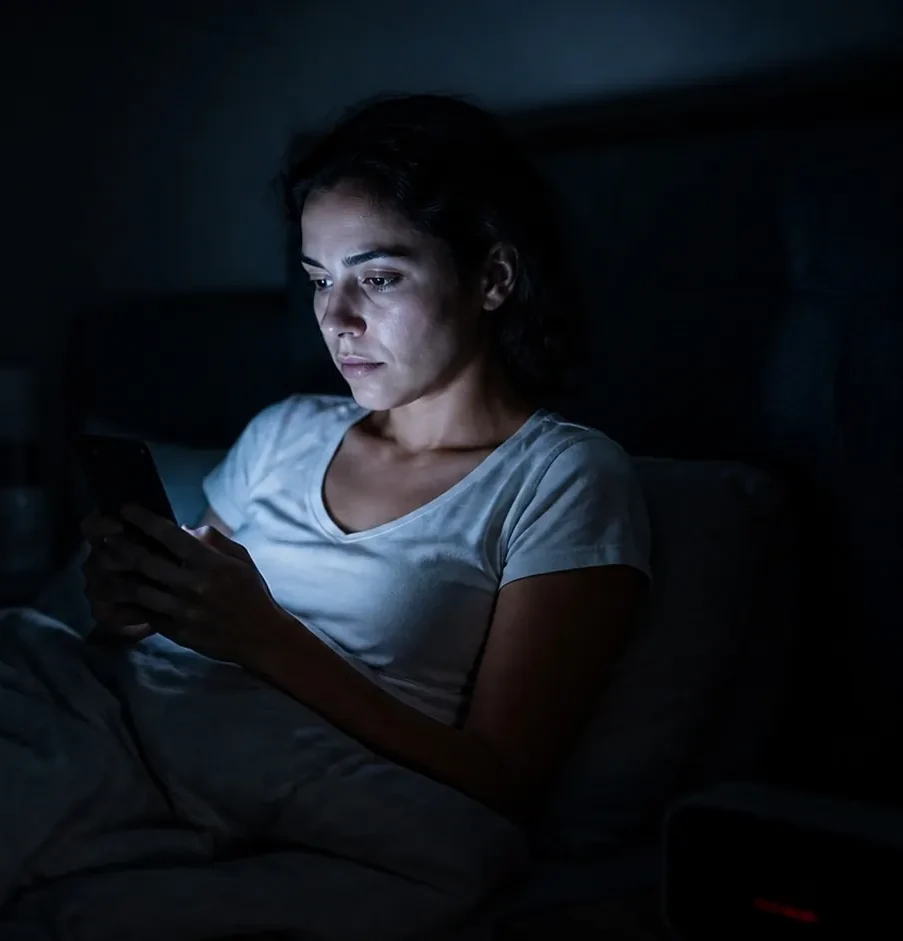
Black Friday no longer starts when the stores open. Deals go live on Thursday evening, countdown timers keep moving after midnight, and it is easy to tell yourself you will check out “one more cart” before bed. If Thanksgiving already pushed your sleep later, a late shopping session can make Friday feel even heavier.
You do not have to skip the sales to protect your night. You do have to treat late-night Black Friday shopping like what it is: bright screens, alert decisions and a later bedtime, all stacked onto a long holiday weekend.
Quick Summary
- Late-night shopping delays bedtime twice. The screen keeps you alert, and the hunt itself is stimulating. Both can push sleep later than you planned.
- Your body clock is already off after Thanksgiving. A midnight checkout on top of a late dinner makes Friday and Saturday harder to reset.
- Shop from a chair, not under the covers. Bed should stay a place for sleep, not for refreshing deal tabs.
- Set a hard cutoff and a wake time first. Decide when shopping ends and when you will get up before you start browsing.
- Watch caffeine, leftover wine and “just one more checkout.” All three are common on this weekend and all three can fragment the night.
- A short night has a next-day cost. Mood, patience, spending choices and drowsy driving can all take a hit if you cut sleep too thin.
Why Late-Night Black Friday Shopping Hits Your Sleep
Shopping after dark is not the same as folding laundry in a dim room. You are staring at a bright screen, comparing prices, watching stock counts drop and making money decisions under time pressure. That mix tells your brain it is still time to be “on.”
Light is a big part of the problem. The Sleep Foundation explains that your circadian rhythm, the body clock that helps decide when you feel sleepy, is strongly influenced by light. Evening and late-night screen light, especially close to your face, can make it harder to feel ready for bed. Our guide to blue light and screen time before bed covers why that last hour matters.
The shopping itself is stimulating too. Flash sales, limited stock and “ends at midnight” language keep your attention locked in. That is useful when you want a good price. It is less useful when you are trying to fall asleep 20 minutes later. Many people also slip into revenge bedtime procrastination: staying up to reclaim personal time after a long day, even when they are already tired. Black Friday makes that habit feel productive, because you can tell yourself the lost sleep was “for a deal.”
Caffeine often sneaks in as well. A late coffee, an energy drink while you wait for a drop, or even leftover soda from dinner can still be in your system at bedtime. Caffeine and sleep are a rough mix when the clock is already running late.
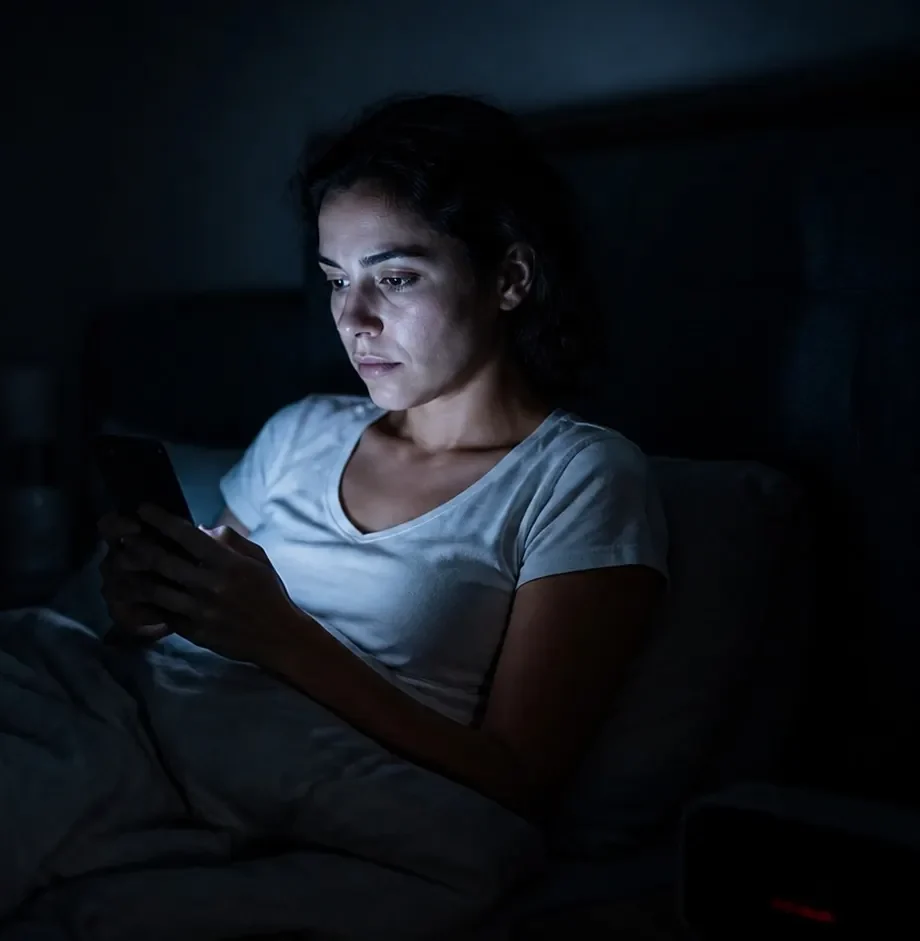
Your Body Clock Is Already Working Overtime
Thanksgiving weekend usually changes the schedule before the sales even start. Dinner runs late, travel stretches the day, a glass of wine turns into two, and it feels reasonable to sleep in. Then Thursday night deals appear, and staying up suddenly feels like part of the holiday.
If your sleep already slid later, a midnight shopping session does not start from a fresh baseline. It starts from a slightly delayed body clock. That is why Friday can feel foggy even if you “only” stayed up an hour later than usual. For a practical way to get back on track, see how to reset your sleep schedule after Thanksgiving.
Alcohol from the holiday meal can make this worse. A drink may make you sleepy at first, then lead to lighter, more broken sleep later in the night. Pair that with a late checkout and you can be in bed at a decent hour on paper, but still wake at 3 a.m. with a busy mind. If the feast itself left you uncomfortable, how to sleep after a big meal has simple timing and position tips.
Kids and guests add another layer. If children were up late for dessert or family movies, a parent shopping in bed after midnight often becomes the person everyone needs at 6:30 a.m. anyway. The household wake time does not move just because the deals did.
What a Short Night Actually Costs
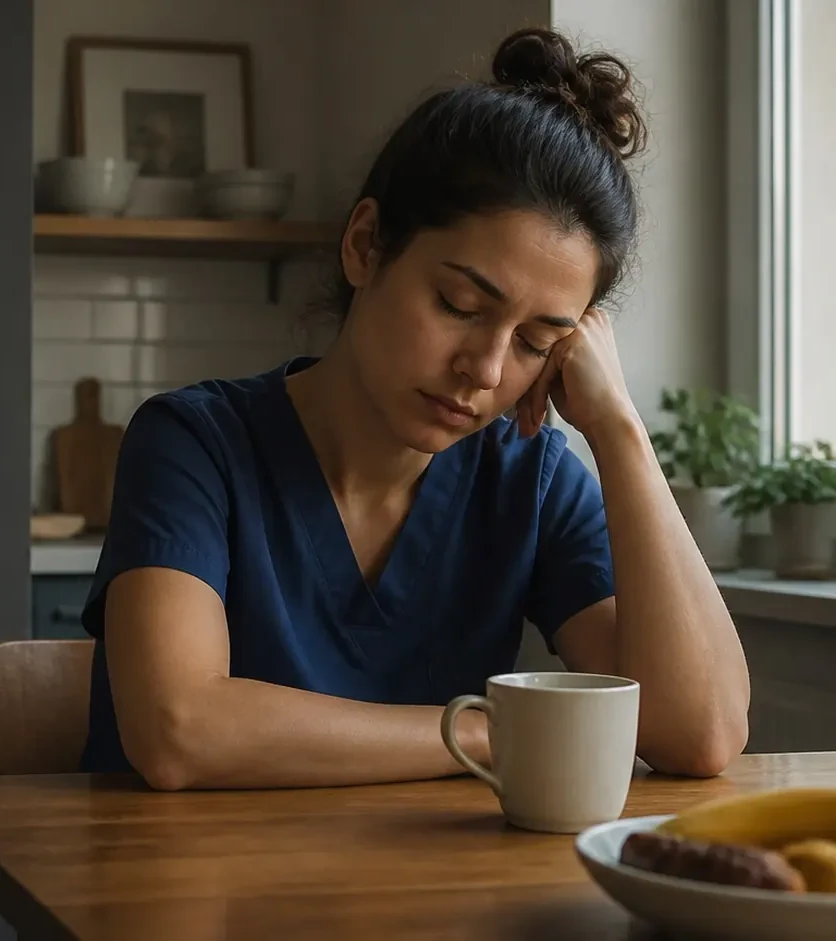
It can feel harmless to trade an hour of sleep for a discount. Sometimes the trade is worth it. Often the cost shows up the next morning in ways that are easy to miss.
A short night adds to sleep debt. The Sleep Foundation’s overview of sleep debt notes that lost sleep accumulates, and that trying to repay it all at once is not as simple as one long lie-in. You may function, but patience, focus and mood usually take the first hit.
That matters on a shopping weekend. Tired people are more impulsive, more irritable in lines and more likely to make a “good enough” purchase just to be done. A late night spent hunting deals can quietly undo some of the care you took with the budget.
If you are driving to a store at dawn, the stakes are higher. Drowsiness after a short night is not just an inconvenience in a parking lot. Read drowsy driving before you plan a very early doorbuster, and be honest about whether you slept enough to get behind the wheel.
A rough Friday also makes Saturday harder. Sleeping until 11 to “catch up” can feel great, then leave you wide awake again on Saturday night. If you already feel stuck in that loop, how to function on little sleep can help you get through the day without making the next night worse.
A Smarter Way to Shop After Dark
You can still use the sales. The goal is to keep shopping from taking over the end of the night.
Set a cutoff before you open the first tab
Pick a stop time and a wake time before you start. If you need to be up at 7, a 12:30 a.m. checkout is a different decision than it is on a slow Saturday. A useful rule is to close the shopping tabs at least 30 to 60 minutes before you want to be asleep, so your brain has a little space to settle. If you are not sure what bedtime even is this week, start with what time you should go to bed and work backward from your wake time.
Write the cutoff down or set an alarm named “screens off.” When it goes off, end the session, even if a cart is still open. Most leftover deals will still be there in the morning, or they will be gone either way.
Shop from a chair, not from bed
Bed is a strong sleep cue when you use it for sleep. When you sit up under the covers with a laptop or phone, the bed starts to mean “alert and scrolling.” That is the same problem as sleeping with your phone next to you. Do the hunting at a table or on the sofa, then leave the phone outside the bedroom or at least across the room when you are done.
If you must use a phone, lower the brightness, use a warmer night display, and avoid starting a new search after your cutoff. “I’ll just compare one more item” is how 11:30 becomes 1:00.
Keep the rest of the wind-down boring on purpose
Once the cart is closed, switch to something low-stakes: a short stretch, a shower, a book, dim lights. Avoid another round of email receipts, price tracking or social media unboxings. Those are still shopping, just in a different tab.
If leftover wine is still on the table, skip a second glass as a “reward” for finishing the list. It may make you sleepy at first and then fragment the second half of the night. A glass of water and a slightly earlier lights-out will serve you better than one more toast.
Plan Friday morning before you shop Thursday night
If you have to be at a store early, protect the wake time first and shorten the shopping window, not the other way around. If you do not have to be anywhere, still get up within about an hour of your usual time so the weekend does not slide later each day. Morning light helps. Open the curtains or step outside after you wake up, even if the night was shorter than you wanted.

If You Are Going to the Store Early
In-person Black Friday has its own sleep trap: going to bed at a normal time, waking at 4 or 5, and hoping adrenaline will carry you. Sometimes it does. Then the afternoon crash arrives in the parking lot or in the car on the way home.
If an early store trip is the plan, move bedtime earlier by a little, not by three hours. An earlier wind-down is more realistic than forcing sleep at 8 p.m. when your body is not ready. Keep breakfast simple, go easy on extra coffee if you still have to drive later, and do not stack a late-night online session on top of a 5 a.m. alarm. Pick one.
Holiday sleep is already under pressure from travel, guests and late meals. Holiday sleep tips can help you hold a rough routine through the rest of the weekend, including Cyber Monday, which creates the same late-screen problem all over again.
A Simple Thursday-Night-to-Friday Plan
| Time | What to do | Why it helps |
|---|---|---|
| Early evening | Make a short list and a spending cap | You will shop faster and do less restless comparing at 11 p.m. |
| After dinner | Avoid a late energy drink or extra coffee | Caffeine can still be active at bedtime |
| At least 60 minutes before bed | Close the shopping tabs and leave the bedroom screen-free | Your brain gets a clear off-ramp |
| Lights out | Stick close to your planned bedtime, even if a deal is still live | Most sales will not be worth a ragged Friday |
| Friday morning | Get up within an hour of your usual time and find some light | A steady wake time keeps the whole weekend from sliding later |
| Saturday | If you need catch-up sleep, keep it modest | A two- or three-hour lie-in can push Saturday night later again |
The Bottom Line
Late-night Black Friday shopping affects your sleep because it combines a bright screen with a wired, decision-heavy task at the worst possible hour. That is a bad mix on a normal week and a worse one after Thanksgiving.
You can still hunt for deals. Set a cutoff, shop somewhere other than the bed, protect your wake time and leave a little space between the last checkout and lights-out. The better bargain is a Friday you can actually enjoy.
FAQ: Black Friday Shopping and Sleep
Is it bad to shop in bed?
It is not dangerous on its own, but it is a poor habit if you already struggle to fall asleep. The bed starts to mean “alert and scrolling,” and the screen light plus deal-hunting both delay drowsiness. Shop from a chair or sofa, then keep phones out of the bed if you can.
How late is too late to keep shopping?
It depends on when you have to get up. If you need 7 a.m., shopping past midnight is usually too late. A practical target is to close the tabs 30 to 60 minutes before you want to be asleep, so you are not still comparing prices under the covers.
Can I just catch up on Saturday?
A little extra sleep can help. A very late Saturday lie-in often moves your body clock later again and makes Sunday night harder. Keep catch-up sleep modest, get some morning light and try not to stack another late shopping night on top.
What about Cyber Monday?
Treat it the same way. The calendar name changes; the late-screen problem does not. Use a cutoff, a list and a screen-free wind-down so Monday work or school is not paying for Sunday night deal-hunting.
Should I take melatonin after a late shopping night?
Not as a first step, and not as a way to erase a 2 a.m. bedtime. A regular wake time and morning light usually help more after one late night. If you are considering a supplement, read our guide to melatonin for sleep and check with a doctor or pharmacist, especially if you take other medication.
This article is for general information only and isn’t medical advice. If you have ongoing trouble falling or staying asleep, loud snoring, gasping at night, or daytime sleepiness that doesn’t improve, talk with a doctor or a board-certified sleep specialist. Do not drive if you are not alert enough to be safe on the road.
General guidance, not medical advice. If a sleep problem persists or gets worse, speak to a qualified clinician. Medical disclaimer